Published on:
10 min read
Best Pet Products: 7 Smart Picks for Every Budget
Shopping for pet products is easy. Buying the right ones without overspending is harder. This guide breaks down seven genuinely useful pet product categories that solve everyday problems for dog and cat owners, from hydration and feeding to grooming, enrichment, and safer travel. Instead of pushing luxury gadgets, it focuses on practical picks at budget, mid-range, and premium price points so readers can match spending to their pet’s age, habits, and health needs. You’ll also find trade-offs, real-world use cases, and clear advice on where paying more makes a difference and where it usually does not. Whether you have a new puppy, a senior cat, or a multi-pet household, this article helps you build a smarter shopping list that protects your pet’s comfort, supports long-term health, and keeps your home more manageable.
- •How to Buy Pet Products Without Wasting Money
- •Pick 1 and 2: Smart Feeders and Water Fountains That Improve Daily Health
- •Pick 3 and 4: Orthopedic Beds and Grooming Tools That Pay Off Over Time
- •Pick 5 and 6: Enrichment Toys and Pet Cameras for Behavior, Stress, and Peace of Mind
- •Pick 7: Travel Carriers, Harnesses, and Seat Restraints Worth Upgrading
- •Key Takeaways: How to Match the Right Product to Your Pet and Budget
- •Conclusion
How to Buy Pet Products Without Wasting Money
The pet industry is enormous, and that is exactly why smart shopping matters. In the U.S. alone, pet owners spent well over $140 billion in recent years across food, supplies, vet care, and services, according to APPA industry estimates. That huge market creates endless choice, but also plenty of overpriced items that look helpful and end up in a closet after two weeks. The goal is not to buy more products. It is to buy fewer products that solve recurring problems.
A useful rule is to sort purchases into three buckets: health, behavior, and convenience. Health products include feeders that portion accurately, grooming tools that reduce skin issues, and travel gear that improves safety. Behavior products include puzzle toys, scratching posts, and chew items that redirect destructive habits. Convenience products make cleanup, storage, and daily routines easier, but should come after the first two buckets.
Before buying anything, ask four questions:
- Does this solve a problem my pet actually has?
- Will I use it at least three times a week?
- Is it easy to clean and maintain?
- Would a simpler version do the same job?
Pick 1 and 2: Smart Feeders and Water Fountains That Improve Daily Health
Feeding and hydration products are where technology can genuinely help, especially for busy households. Automatic feeders are no longer just vacation tools. The better models portion meals consistently, which matters when weight management is a concern. Veterinary studies routinely link excess weight with higher risk of diabetes, joint stress, and reduced lifespan in pets, and even an extra few ounces of kibble per meal can add up over months. For indoor cats and small dogs, accurate portion control is often more valuable than a premium bowl set.
Water fountains are another high-impact upgrade. Many cats naturally prefer moving water, and owners often notice better drinking habits after switching from a static bowl. That matters because hydration supports urinary health, especially in cats prone to urinary tract issues. In real homes, the difference is often practical: fountains keep water fresher, reduce debris, and make it easier to monitor daily intake.
Pros of automatic feeders:
- Better meal consistency
- Useful for early mornings and workdays
- Helps households with multiple caregivers avoid double feeding
- Cheap models jam or dispense unevenly
- Wi-Fi features are often unnecessary
- Not ideal for pets that eat too fast without supervision
- Encourages better hydration in many cats and small dogs
- Filters hair and dust better than open bowls
- Helps owners notice when a pet is drinking less than normal
- Require regular cleaning to prevent slime buildup
- Pumps can be noisy in very low-cost models
- Filters add recurring monthly cost
| Product Category | Budget Range | Best For | What to Look For |
|---|---|---|---|
| Automatic feeder | $25-$50 | Single-pet homes on a schedule | Reliable timer, portion control, easy-clean tray |
| Automatic feeder | $60-$120 | Weight management and busy owners | Sealed food storage, backup battery, accurate dispensing |
| Water fountain | $20-$35 | Cats and small dogs | Quiet pump, removable parts, replaceable filter |
| Water fountain | $40-$80 | Multi-pet homes | Higher capacity, stainless steel bowl area, easier cleaning |
Pick 3 and 4: Orthopedic Beds and Grooming Tools That Pay Off Over Time
Two of the most underrated pet purchases are a supportive bed and a grooming tool that matches your pet’s coat. Owners often treat both as optional until a problem appears: stiffness after sleep, constant shedding, mats behind the ears, or expensive professional grooming visits. In reality, both products can save money and improve comfort over the long term.
Orthopedic beds are especially useful for large dogs, seniors, and breeds prone to hip or joint issues. A flat, overstuffed cushion may look cozy at first, but it compresses quickly and can leave pressure points on elbows and hips. A denser foam bed with a washable cover holds its shape longer and is easier to keep hygienic. For older pets, getting up after rest is often a visible indicator of whether a bed is truly supportive.
Grooming tools matter just as much. A slicker brush, undercoat rake, de-shedding tool, or pet-safe nail grinder can reduce hair on furniture and prevent skin problems caused by trapped fur or overgrown nails. The wrong tool, however, can irritate skin or damage the coat. That is why matching the tool to the coat type is more important than buying the most expensive option.
Pros of orthopedic beds:
- Better support for aging joints and heavier breeds
- Usually more durable than basic plush beds
- Washable covers make odor control easier
- Larger sizes get expensive quickly
- Some memory foam beds retain heat
- Cheap foam often flattens within months
Pick 5 and 6: Enrichment Toys and Pet Cameras for Behavior, Stress, and Peace of Mind
If your pet destroys shoes, scratches furniture, or cries when left alone, the issue is often boredom, under-stimulation, or stress rather than “bad behavior.” That is why enrichment toys deserve a place on any smart product list. Puzzle feeders, treat-dispensing balls, lick mats, flirt poles, and durable chew toys can turn unused energy into focused activity. For dogs, even 15 to 20 minutes of mentally engaging play can be more tiring than a short walk around the block. For indoor cats, rotating wand toys and treat puzzles can reduce late-night zoomies and furniture scratching.
Pet cameras sit in a different category: they are more for owners than pets, but they can still be valuable. A camera helps you see whether your dog actually sleeps all day, paces near the door, or barks at every hallway sound. That data matters because solutions differ. A pet with separation stress may need training and routine changes, while a pet reacting to noise may do better with white noise and visual barriers.
Pros of enrichment toys:
- Reduce boredom-related destruction
- Encourage slower eating and problem-solving
- Affordable options exist under $20
- Many pets lose interest if toys are not rotated
- Some “indestructible” toys are not truly indestructible
- Treat-based toys can add calories fast
- Reveal patterns owners would otherwise miss
- Useful for checking on seniors or pets after surgery
- Can help confirm whether a sitter actually visited
- Two-way audio can confuse some pets
- Subscription fees add up on app-based models
- A camera does not solve behavior issues by itself
Pick 7: Travel Carriers, Harnesses, and Seat Restraints Worth Upgrading
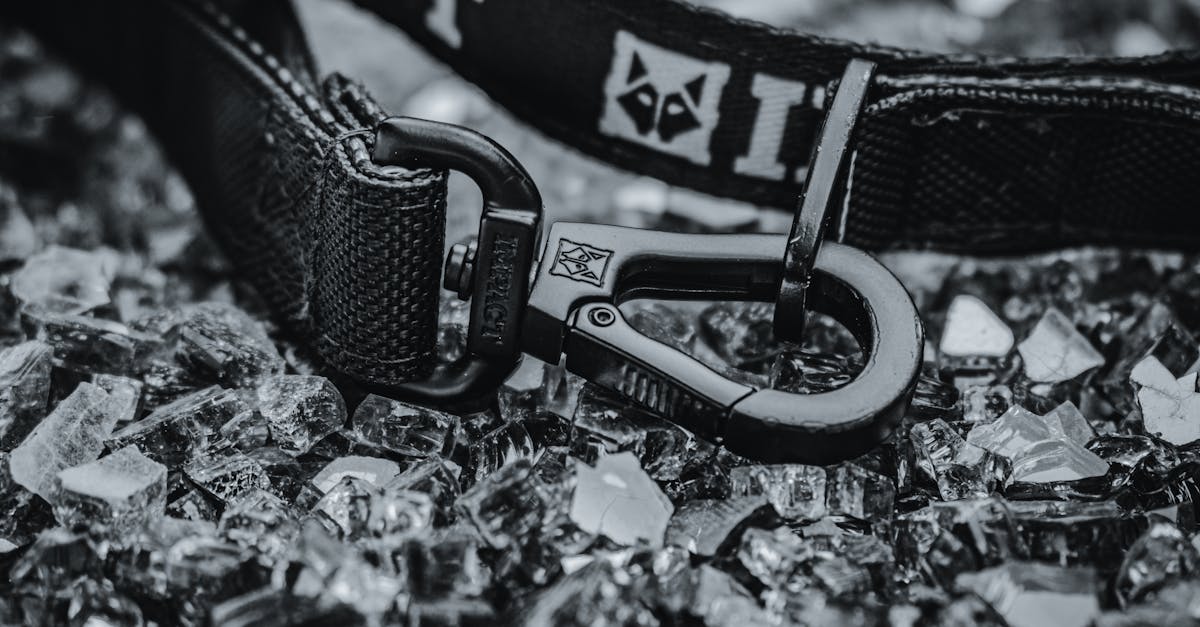
Travel gear is one of the few product categories where paying more often makes immediate sense. A cheap leash can be annoying. A cheap travel crate or car harness can be dangerous. Yet many owners still choose carriers based on color, foldability, or a low price tag rather than fit and safety. That is risky, especially for pets that travel frequently, panic in the car, or need routine vet visits.
For cats and small dogs, a sturdy hard-sided or reinforced carrier is usually the most practical choice. It protects better during transport, is easier to sanitize after accidents, and often creates a more stable environment during stressful trips. For dogs in cars, crash-tested harness systems or secured crates are worth serious consideration. A loose pet can become a distraction in a sudden stop, and in an accident the risk rises dramatically for both the animal and the humans inside the vehicle.
Pros of upgraded travel gear:
- Safer transport during hard braking or collisions
- Easier handling at the vet or groomer
- Better ventilation and cleanup than bargain carriers
- Quality carriers and restraints can be expensive upfront
- Some pets need gradual training before they tolerate them
- Bulkier designs take up storage space
| Travel Product | Typical Price | Best Use Case | Upgrade When |
|---|---|---|---|
| Soft-sided carrier | $25-$45 | Short trips with calm small pets | Your pet claws out, tips over, or soils the bag |
| Hard-sided carrier | $35-$80 | Cats and small dogs needing more structure | You do regular vet trips or long drives |
| Car harness restraint | $30-$90 | Dogs riding in the back seat | Your dog moves around the car or rides weekly |
| Secured travel crate | $80-$250+ | Frequent travelers and larger dogs | You want maximum stability and containment |
Key Takeaways: How to Match the Right Product to Your Pet and Budget
The smartest pet products are not always the newest or most expensive. They are the ones that solve frequent problems with the least friction. If you are deciding where to start, think in terms of return on use. A fountain, feeder, bed, brush, puzzle toy, camera, or safer carrier can each be a great purchase, but only if it matches your pet’s actual needs and your household routine.
Use this simple shortlist before buying:
- Start with one health-focused item, such as a feeder, fountain, or orthopedic bed
- Add one behavior-focused item, such as a puzzle feeder or chew toy
- Upgrade one safety item if your pet travels regularly
- Avoid buying multiple versions of the same product until your pet proves they will use it
- Check cleaning time before checkout, because neglected products become wasted products
- First: grooming tool or slow feeder
- Second: fountain or durable enrichment toy
- Third: supportive bed
- Fourth: travel safety upgrade
Conclusion
The best pet products are the ones that make daily life healthier, calmer, and safer for both you and your animal. If you want the biggest payoff, begin with essentials that influence routine: feeding, hydration, sleep, grooming, enrichment, and travel safety. Then spend selectively. A mid-priced fountain or feeder may outperform a flashy smart device, and a well-made bed or carrier can last years longer than a bargain alternative. Your next step is practical: choose the single problem you most want to solve this month, set a budget, and buy one product that directly addresses it. Test it for two to three weeks, measure the result, and only then move to the next upgrade. That approach saves money and builds a pet setup that truly works.
Published on .
Share now!
IR
Isabella Reed
Author
The information on this site is of a general nature only and is not intended to address the specific circumstances of any particular individual or entity. It is not intended or implied to be a substitute for professional advice.