Published on:
10 min read
Cryolipolysis Guide: Best Results, Costs, and Tips
Cryolipolysis, often recognized by the brand name CoolSculpting, is one of the most talked-about non-surgical body contouring treatments, but the marketing rarely explains who it works for, what it really costs, or how to maximize results. This guide breaks down the treatment in practical terms: how fat freezing works, which body areas respond best, what realistic timelines look like, and why some patients see a visible change after one cycle while others need several sessions. You’ll also find a balanced look at benefits, limitations, side effects, and pricing, along with concrete tips for choosing a qualified provider and avoiding common mistakes. If you want clear expectations before spending hundreds or thousands of dollars on a treatment plan, this article will help you make a smarter, safer decision.

- •What cryolipolysis actually does and who it is best for
- •How the treatment feels, what recovery looks like, and when results appear
- •Costs, value, and why prices vary more than most clinics admit
- •How to get the best results: candidacy, planning, and habits that matter
- •Risks, side effects, and how to choose a provider you can trust
- •Key takeaways: practical tips before you book and after you treat
- •Conclusion
What cryolipolysis actually does and who it is best for
Cryolipolysis is a non-surgical body contouring treatment designed to reduce small, pinchable pockets of fat by cooling fat cells to a temperature that triggers gradual cell death. Over the next several weeks, the body processes and clears those damaged fat cells through natural metabolic pathways. The key word here is contouring, not weight loss. It is best suited for people who are close to their goal weight but have stubborn areas that do not respond well to diet and exercise, such as the lower abdomen, flanks, inner thighs, outer thighs, upper arms, back rolls, and under the chin.
Clinical studies commonly cite an average fat-layer reduction of roughly 20 to 25 percent per treated area after a single session, although results vary based on the applicator used, the thickness of the fat layer, and the patient’s anatomy. That sounds impressive, but it does not mean a dramatic transformation from one visit. In real-world practice, someone treating “love handles” may notice better clothing fit and smoother side contours rather than a massive drop in inches.
Cryolipolysis is usually a poor fit for people seeking significant weight reduction, skin tightening, or correction of muscle laxity after pregnancy. It also is not appropriate for certain cold-sensitive medical conditions.
Pros:
- No incisions, anesthesia, or surgical downtime
- Sessions are typically completed in under an hour per area
- Results develop gradually, which can look natural
- It can be expensive when multiple areas or repeat sessions are needed
- Swelling, numbness, bruising, and tenderness are common short-term effects
- Results are subtle compared with liposuction
How the treatment feels, what recovery looks like, and when results appear
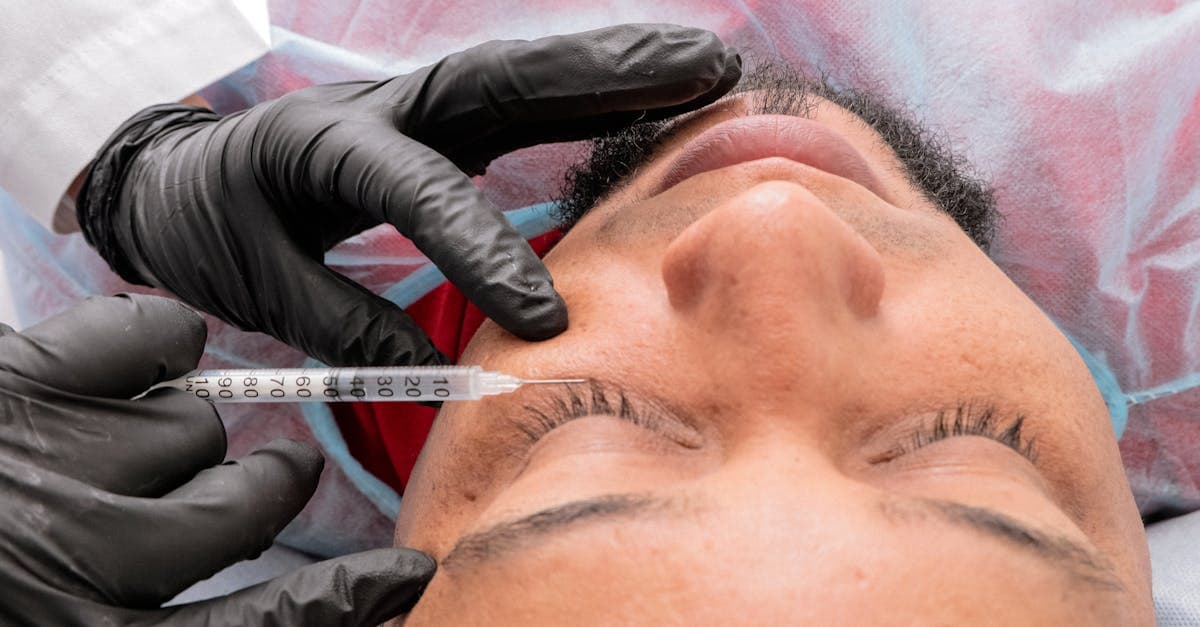
A typical cryolipolysis appointment starts with photos, measurements, and marking the treatment area. A gel pad or membrane is applied to protect the skin, then the applicator uses suction to pull the tissue between cooling panels. The first 5 to 10 minutes are usually the most uncomfortable. Patients often describe intense cold, strong pulling, tingling, and pressure, followed by numbness as the area acclimates. Some newer devices reduce treatment time, but many sessions still last around 35 to 60 minutes per area.
Immediately afterward, the treated area may look firm, red, and slightly raised, almost like a frozen stick of butter under the skin. Providers often massage the tissue for a few minutes because some evidence suggests post-treatment massage may improve outcomes. Most people return to work the same day, which is one reason the treatment remains popular with busy professionals.
Recovery is generally manageable, but it is not always nothing. Common effects over the next several days or weeks include numbness, soreness, cramping, itching, swelling, and bruising. For example, someone treating the abdomen on Friday may feel fine to attend a dinner that night but still notice tenderness when bending or exercising over the weekend.
Visible improvement usually starts around 4 to 8 weeks, with fuller results developing by 8 to 12 weeks as the body clears the injured fat cells. In some cases, providers wait 12 weeks before deciding whether a second session is worthwhile.
Why this matters: understanding the timeline prevents a very common mistake, judging results too early and assuming the treatment failed when the biological process is still ongoing.
Costs, value, and why prices vary more than most clinics admit
Cryolipolysis pricing can be confusing because clinics quote by area, by applicator, by cycle, or as a package. In the United States, a single treatment cycle often falls somewhere between $600 and $1,500, but multi-area plans can easily run from $2,000 to $4,500 or more. A small under-chin treatment may cost less than a full abdomen and flank plan, while larger bodies may require more than one applicator placement in the same region, which increases the total quickly.
The biggest pricing variable is not just geography, although major metro areas like New York, Los Angeles, and Miami often charge more. It is treatment design. A clinic advertising low entry pricing may quote one cycle for the abdomen, but a patient with a wider fat pocket might realistically need two or four cycles to get a balanced result. That is why a “cheap” quote can become expensive after the consultation.
Another major factor is provider experience. Med spas run by highly trained clinicians or supervised by board-certified dermatologists and plastic surgeons may charge more, but they often plan treatment more accurately and screen out poor candidates.
Pros:
- Lower upfront cost than liposuction for small, targeted areas
- No surgical facility fees or general anesthesia costs
- Minimal downtime can reduce indirect costs like missed work
- Multiple sessions can make the final bill surprisingly high
- Financing plans may obscure the true total cost
- Paying less for poor applicator placement can mean weaker results
| Treatment Area | Typical U.S. Price Range | Common Number of Sessions | Notes |
|---|---|---|---|
| Under chin | $700-$1,500 | 1-2 | Smaller area, often chosen for jawline refinement |
| Upper or lower abdomen | $1,200-$2,500 | 1-3 | Larger areas may need multiple cycles in one visit |
| Flanks | $1,200-$2,400 | 1-2 | Often paired with abdomen for better overall contour |
| Inner or outer thighs | $1,500-$3,000 | 1-3 | Response varies based on tissue density and skin quality |
| Upper arms | $1,200-$2,400 | 1-2 | Best for localized fullness, not loose skin |
How to get the best results: candidacy, planning, and habits that matter
The best cryolipolysis results come from good candidate selection, precise treatment planning, and realistic expectations. The ideal candidate has a stable weight, a healthy lifestyle, and localized fat that can be pinched into the applicator. If the concern is mainly loose skin, weakened abdominal muscles, or diffuse obesity, the treatment is much less likely to impress. In consultations, experienced providers look at body symmetry, skin elasticity, and whether the target area is firm, soft, or fibrous, because all three affect how well an applicator can grip the tissue.
Practical planning matters more than many people realize. Treating the lower abdomen alone may leave the upper abdomen or flanks looking relatively fuller. That does not mean the treatment failed; it means the body contour was approached too narrowly. A better plan sometimes involves combining areas strategically over several months.
To improve your odds of a visible result:
- Maintain a stable weight before and after treatment. Gaining even 5 to 10 pounds can blur the contour change.
- Take standardized before photos in the same lighting and clothing every 4 weeks.
- Follow aftercare instructions and resume movement early if your provider recommends it.
- Stay hydrated and keep activity levels consistent, even though hydration itself does not “flush out” fat faster.
- Give the full 12 weeks before evaluating whether to retreat.
Risks, side effects, and how to choose a provider you can trust
Most side effects from cryolipolysis are temporary, but temporary does not mean trivial. Redness, swelling, bruising, numbness, tenderness, and altered sensation are all common and may last days to weeks. Some people feel tingling or intermittent nerve-like sensitivity as sensation returns. These effects are usually manageable, but they can be inconvenient if you were expecting a completely effortless cosmetic procedure.
The rare complication patients should know about is paradoxical adipose hyperplasia, often shortened to PAH. Instead of shrinking, the treated area becomes larger and firmer over time. It is uncommon, but it is real, and correction often requires liposuction or surgery. Published estimates have varied, partly because reporting standards differ, but even a low-incidence event matters when you are deciding whether a purely elective treatment is worth it.
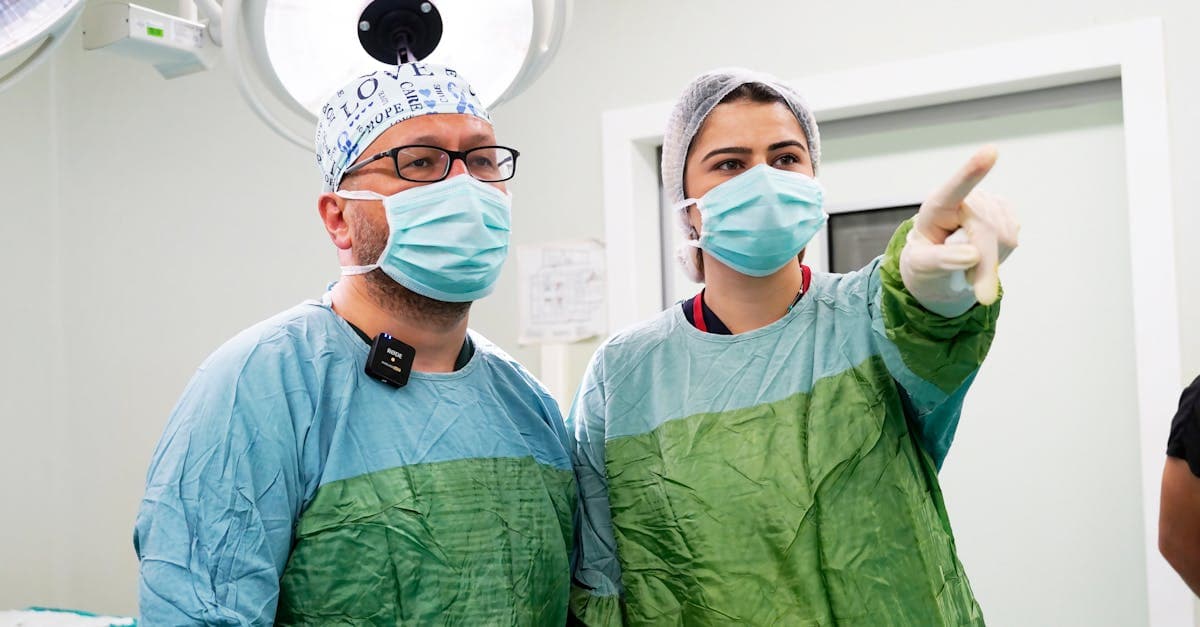
Choosing the right provider reduces avoidable problems. Ask how often they perform cryolipolysis, whether they use manufacturer-approved applicators and protocols, and how they decide if someone is a poor candidate. Request to see before-and-after cases that resemble your body type, not only the clinic’s most dramatic results.
Green flags include:
- A consultation that discusses alternatives, not just sales packages
- Clear explanation of expected timeline and number of sessions
- Transparent pricing and written consent covering risks
- Deep discounts with no individualized treatment mapping
- Pressure to treat multiple areas immediately
- Claims of weight-loss results or “guaranteed inch loss”
Key takeaways: practical tips before you book and after you treat
If you are considering cryolipolysis, treat the decision like a body-contouring investment rather than a casual spa service. Start by defining the exact problem you want solved. Is it a small lower-belly bulge visible in fitted clothes, fullness under the chin on video calls, or side fat that hangs over jeans? Specific goals lead to better treatment plans and fewer regrets.
Before booking, compare at least two qualified providers. Ask each one how many cycles they recommend, what result they think is realistic after one session, and what they would suggest if cryolipolysis is not the best option. A strong provider will sometimes recommend liposuction, radiofrequency skin tightening, or simply no treatment at all.
Use this practical checklist:
- Schedule treatment when you do not have a major event in the next few days, since swelling and bruising are possible.
- Wear loose clothing to the appointment, especially for abdomen or thigh areas.
- Budget for the likely full plan, not just the first session.
- Photograph progress at baseline, 4 weeks, 8 weeks, and 12 weeks.
- Contact your clinic if pain becomes severe, if a firm enlarged bulge develops, or if numbness feels unusual or prolonged.
Conclusion
Cryolipolysis can be a useful option for reducing stubborn, localized fat without surgery, but it works best when you approach it with precision. The strongest results usually come from people who are already near a stable, healthy weight, choose an experienced provider, and understand that visible improvement takes weeks, not days. Cost matters, but value matters more, especially if poor planning leads to extra sessions or uneven contouring. Before moving forward, get a thorough consultation, ask how many cycles you will realistically need, review your provider’s before-and-after work, and set a 12-week evaluation point. If your goal is body contouring rather than dramatic fat loss, cryolipolysis may be worth considering. Your next step is simple: compare providers, clarify your goal area, and make sure the expected result matches the price you are about to pay.
Published on .
Share now!
LB
Liam Bennett
Author
The information on this site is of a general nature only and is not intended to address the specific circumstances of any particular individual or entity. It is not intended or implied to be a substitute for professional advice.