Published on:
10 min read
Dental Crowns: 7 Smart Tips for Choosing the Right One
Choosing a dental crown is not as simple as picking the strongest material or the cheapest quote. The right crown depends on where the tooth sits, how hard you bite, whether you grind your teeth at night, how much natural tooth structure remains, and how long you want the restoration to last before replacement becomes likely. This guide breaks down seven practical, evidence-informed tips patients can use before agreeing to treatment, including how to compare porcelain, zirconia, metal, and porcelain-fused-to-metal crowns; what questions to ask about lab quality, margins, and fit; and how to weigh cost against long-term value. You will also learn where patients commonly overspend, when a lower-cost option is actually reasonable, and how to avoid crown failures caused by poor habits, rushed prep work, or the wrong material choice for your bite pattern.
- •Why choosing the right crown matters more than most patients realize
- •Tip 1 and Tip 2: Match the material to the tooth and understand the tradeoffs
- •Tip 3 and Tip 4: Think about bite force, grinding, and how the crown is actually made
- •Tip 5: Compare cost with long-term value, not just the quote on treatment day
- •Tip 6 and Tip 7: Protect the underlying tooth and choose a dentist who plans for the long haul
- •Key Takeaways and practical next steps before you say yes to treatment
Why choosing the right crown matters more than most patients realize
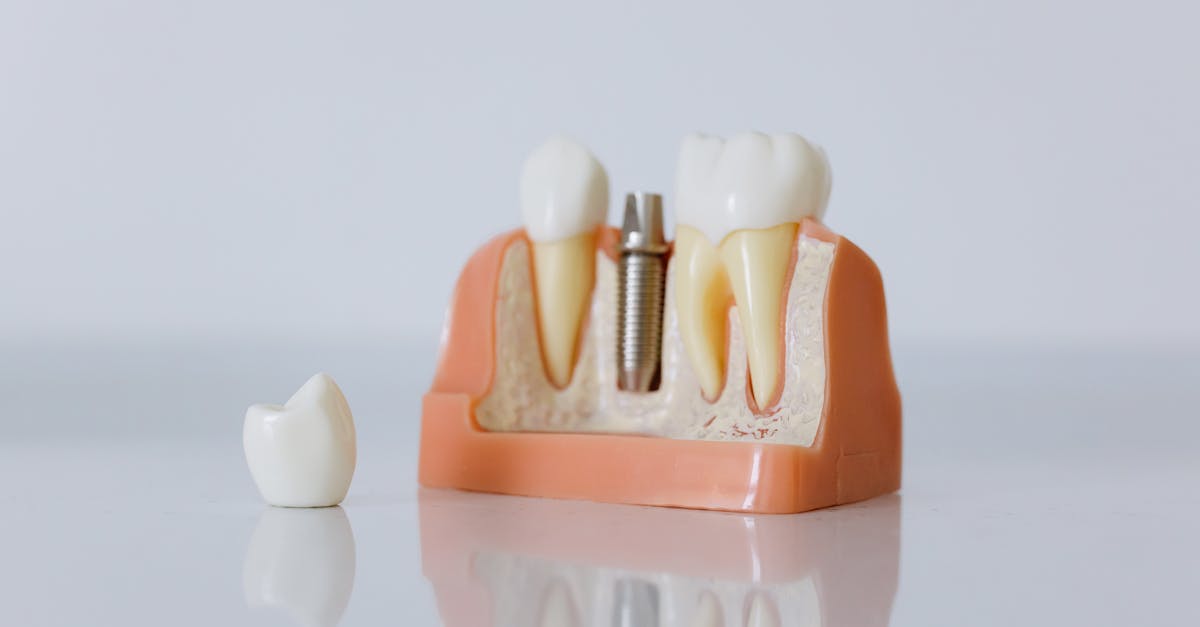
A dental crown is a custom cap placed over a damaged, heavily filled, cracked, root-canal-treated, or cosmetically compromised tooth. On paper, that sounds straightforward. In real life, the wrong crown choice can mean gum irritation, bite discomfort, visible dark edges, chipping, or needing replacement years earlier than expected. Many patients focus on the upfront fee, but dentists often look at a bigger equation: strength, esthetics, tooth location, bite force, and how much healthy tooth is left.
Crowns are common. In the United States, millions are placed every year, and while exact annual estimates vary by source, restorative dentistry remains one of the most frequently performed categories of dental treatment. What matters for patients is this: a crown is rarely a one-time decision for life. Most will eventually need maintenance or replacement, so choosing well now affects both future cost and tooth survival.
Tip one is to start with the purpose of the crown, not the material. A front tooth crown usually prioritizes color, translucency, and a natural light-reflecting appearance. A back molar crown may need to tolerate years of heavy chewing and possible grinding. For example, a 32-year-old patient replacing a visible upper front tooth crown after trauma will usually care far more about shade matching than a 58-year-old patient restoring a lower molar that never shows when smiling.
Why it matters: when patients ask, “What is the best crown?” they are asking the wrong question. The smarter question is, “What is the best crown for this tooth, in this mouth, under these conditions?” That shift alone leads to better decisions and fewer disappointments.
Tip 1 and Tip 2: Match the material to the tooth and understand the tradeoffs
The most common crown materials today are all-ceramic porcelain, zirconia, porcelain-fused-to-metal, and full metal alloys such as gold-colored restorations. Each has a place. The best choice depends on function, esthetics, bite habits, and budget, not trends on social media.
All-ceramic and porcelain crowns are often favored for front teeth because they can mimic natural enamel translucency. Zirconia has become popular because it combines high strength with better appearance than traditional metal options. Porcelain-fused-to-metal crowns still work well in many cases, especially when strength matters, but they can sometimes show a dark margin near the gumline over time. Full metal crowns remain extremely durable for out-of-sight molars, though many patients reject them for cosmetic reasons.
Pros and cons to weigh carefully:
- All-ceramic or porcelain: highly esthetic, excellent for visible teeth, but some types are more prone to chipping under heavy bite pressure.
- Zirconia: very strong and increasingly natural-looking, but in some cases can appear slightly more opaque than premium esthetic ceramics.
- Porcelain-fused-to-metal: a long clinical track record and reliable strength, but possible metal edge visibility and porcelain fracture risk.
- Full metal: often the least wearing on opposing teeth and extremely long-lasting, but poor cosmetic appeal for most patients.
Tip 3 and Tip 4: Think about bite force, grinding, and how the crown is actually made
Two crowns made from the same material can perform very differently depending on the patient’s bite and the quality of the preparation, scan, and lab work. That is why tip three is to disclose grinding, clenching, jaw soreness, headaches, or a history of cracked teeth before treatment. Patients often forget to mention these details because they seem unrelated, but they can completely change the crown recommendation.
A patient who clenches during stressful workdays and wakes with jaw tightness may place far higher force on a molar than someone with a relaxed bite. In that case, a highly esthetic but more delicate ceramic may not be the smartest choice for a back tooth. Your dentist may steer you toward monolithic zirconia and recommend a night guard to protect the investment. That is not upselling. It is risk management.
Tip four is to ask how the crown will be fabricated. Intraoral scanning and CAD-CAM systems have improved precision, but technology alone does not guarantee a great fit. The dentist’s prep design, margin placement, moisture control, and the dental lab’s craftsmanship matter just as much. An excellent lab can customize contour, contact points, and shade layering in ways a rushed workflow cannot.
Questions worth asking include:
- Is this same-day or lab-made, and why is that the better option for my tooth?
- What lab do you use, and do they specialize in esthetic or functional cases?
- How will you check the bite before cementing the crown?
Tip 5: Compare cost with long-term value, not just the quote on treatment day
Dental crown fees vary widely by region, dentist experience, material, and whether additional work is needed. In many U.S. practices, a single crown may range from roughly 900 dollars to more than 2,500 dollars, with higher fees common in major metro areas or specialist-driven cosmetic cases. That spread can make shopping feel confusing, but price alone is a poor filter.
A lower quote may be perfectly reasonable if the case is simple, the material fits the situation, and the office uses a strong lab. But the cheapest option can become the most expensive if it leads to remakes, gum inflammation, repeated adjustments, or failure of the underlying tooth. A crown placed on a poorly assessed tooth may later need root canal treatment, post buildup, or even extraction and implant replacement, turning a modest savings into a four-figure mistake.
This is where patients should think like buyers of long-term medical devices, not bargain shoppers.
Practical cost considerations:
- Ask whether the fee includes the core buildup, temporary crown, x-rays, follow-up adjustments, and final cementation.
- Check whether your insurance downgrades coverage based on material. Some plans reimburse at a metal-crown rate even if you choose zirconia or porcelain.
- Ask about expected lifespan in your specific case, not in ideal textbook conditions.
- If a night guard is recommended, price that into the full treatment decision.
Tip 6 and Tip 7: Protect the underlying tooth and choose a dentist who plans for the long haul
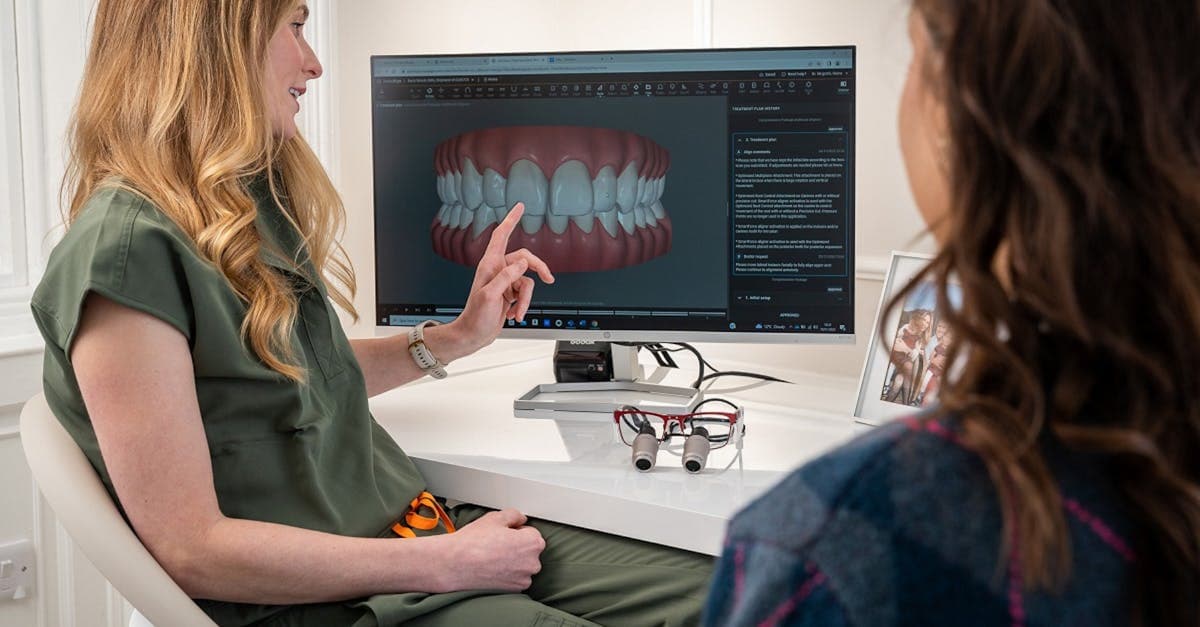
A crown is only as good as the tooth underneath it. Tip six is to ask about the condition of the tooth before focusing on the crown itself. Is there enough healthy structure left to retain the crown? Does the tooth need root canal treatment first? Is there decay extending below the gumline? These questions matter because a beautiful crown on a weak foundation is a short-term fix.
For example, a tooth with a large old filling and crack lines may look restorable on the surface, but if decay runs deep or the fracture extends below bone level, a crown may fail quickly. In those situations, a second opinion can be worth the time. It is better to clarify prognosis upfront than to approve treatment based on optimism alone.
Tip seven is to judge the provider by planning quality, not speed. Fast is appealing, but dentistry rewards precision. A thoughtful dentist will discuss margin design, bite balance, gum health, and follow-up care. They should also explain what could go wrong.
Good signs of strong planning:
- They take photos or scans and show you the problem clearly.
- They explain alternatives such as onlays, fillings, extraction, or monitoring when appropriate.
- They discuss maintenance, including flossing technique, recall visits, and whether you need a night guard.
- They are comfortable talking about risks, limitations, and expected lifespan.
- Pressure to decide immediately without explanation.
- Vague answers about material choice.
- No conversation about grinding, gum health, or the opposing tooth.
Key Takeaways and practical next steps before you say yes to treatment
If you remember only one thing, remember this: the right crown is a custom decision, not a default product. The material, design, and treatment approach should match the tooth’s location, your bite habits, esthetic expectations, and the long-term prognosis of the tooth itself.
Before your appointment ends, use this shortlist:
- Ask what the crown is meant to solve: strength, appearance, crack protection, or rebuilding a heavily damaged tooth.
- Ask which material is being recommended and what the next-best alternative would be.
- Mention any grinding, jaw clenching, sports habits, or history of breaking dental work.
- Confirm what is included in the fee and whether insurance changes coverage based on the material selected.
- Ask how long the dentist expects the crown to last in your case, not in general.
- Find out whether you need a buildup, root canal, or night guard to protect the result.
- If the tooth has an uncertain prognosis, ask whether a second opinion would be reasonable.
Published on .
Share now!
HB
Hazel Bennett
Author
The information on this site is of a general nature only and is not intended to address the specific circumstances of any particular individual or entity. It is not intended or implied to be a substitute for professional advice.