Published on:
10 min read
Drywall Repair Guide: Best Fixes, Tools, and Costs
Drywall damage looks deceptively simple until you are standing in front of a dent, a doorknob hole, or a spreading ceiling crack wondering whether you need a $12 patch kit or a full panel replacement. This guide breaks drywall repair down by damage type, skill level, tools, and realistic cost, so you can stop guessing and start fixing the problem correctly the first time. You will learn which repairs are genuinely DIY-friendly, which mistakes make patched walls flash under paint, how much common materials and contractor work typically cost, and when cracks point to something bigger such as moisture or structural movement. If you want a practical, no-fluff resource that helps you get cleaner seams, flatter patches, and a better finish without overspending, this is the article to keep handy.
- •Why drywall damage happens and how to diagnose it before you patch
- •The best repair methods for dents, cracks, and holes
- •Tools and materials worth buying versus what you can skip
- •Typical drywall repair costs for DIY and hiring a pro
- •How to get an invisible finish: sanding, priming, paint, and texture
- •Key takeaways: practical drywall repair tips that save time and prevent rework
- •Conclusion: choose the right fix, use the right finish, and know when to call for help
Why drywall damage happens and how to diagnose it before you patch
Drywall repair starts with diagnosis, not compound. Many failed patches happen because people fix the visible damage without addressing the cause. A thumb-sized dent from moving furniture is usually cosmetic. A recurring crack above a door, a soft spot under a window, or bubbling paint in a bathroom often signals movement or moisture. If you patch over the symptom, the repair may look good for 30 days and fail by the next season.
The most common drywall problems fall into five categories: dents, nail pops, hairline cracks, medium holes, and large holes. Dents usually come from chair backs, doorknobs, or rough moves. Nail pops happen when framing shifts and fasteners push through the finished surface. Hairline cracks often appear around doors and windows because those openings concentrate stress. Medium holes, roughly 2 to 6 inches wide, are often caused by plumbing access or accidental impact. Large holes usually require backer support or a new drywall section.
A useful rule is to test for softness, staining, and movement before repairing. Press lightly around the damaged area. If it feels soft, investigate for leaks first. Look for yellow-brown discoloration, which often indicates prior water intrusion. Measure the crack width and check it again in a few weeks if you suspect settling. A crack that reopens seasonally may need mesh tape and flexible finishing strategy, but persistent widening may require a structural review.
Why it matters: paint and joint compound are cheap, but repeat repairs are not. Spending 10 extra minutes checking for moisture, framing movement, or loose drywall often saves hours of rework and produces a patch that stays invisible much longer.
The best repair methods for dents, cracks, and holes
Matching the repair method to the damage size is the fastest way to get a durable result. For shallow dents and small gouges, lightweight spackle is usually enough. Scrape away loose paper, apply thin coats, let each coat dry, then sand lightly. For nail pops, do not just cover the bump. Drive the popped fastener slightly below the surface, add a drywall screw about 1 to 2 inches above and below into the stud, then mud over the area. That prevents the same spot from pushing back out.
For hairline cracks, use joint compound with paper or fiberglass mesh tape depending on the location. In many pro repairs, paper tape gives a flatter, stronger finish on straight seams, while mesh is convenient for spot repairs. For holes under about 1 inch, patching compound can work. For holes around 2 to 6 inches, self-adhesive mesh patches are popular, but a California patch or backer-supported patch usually blends better. For anything larger than 6 inches, cut back to a neat square or rectangle and install a new drywall piece secured to wood backers or framing.
Pros and cons to keep in mind:
- Spackle is fast and easy, but it shrinks and is not ideal for deeper fills.
- Mesh patches are beginner-friendly, but they can leave a visible hump if over-mudded.
- Paper tape finishes flatter, but it takes better technique.
- Full cut-out patches take longer, but they usually produce the strongest, least noticeable repair.
Tools and materials worth buying versus what you can skip
You do not need a truck full of contractor gear to repair drywall well, but the right few tools make a dramatic difference. The core kit is simple: 4-inch and 6-inch taping knives, a sanding sponge, a utility knife with sharp blades, a drywall saw, a mud pan, primer, and a quality joint compound. Add a 10-inch knife if you plan to blend larger patches. If you are repairing ceilings, a bright work light matters almost as much as the mud itself because low-angle light reveals ridges and pinholes that overhead room lighting hides.
Where beginners often overspend is on gimmicky patch kits while underspending on finishing tools. A $15 to $25 stainless taping knife and a decent sanding sponge will usually improve your final result more than a specialty patch gadget. Ready-mix lightweight joint compound is convenient for most small repairs, while setting-type compound, often sold in 20-, 45-, or 90-minute formulas, is better when you need faster build coats or stronger fills. Professionals often use setting compound for the first coat and finish with premixed topping compound for easier sanding.
Pros and cons of common material choices:
- Lightweight compound sands easily, but it dents more readily.
- Setting compound is stronger and dries fast, but it is less forgiving and harder to sand.
- Fiberglass mesh tape is quick to apply, but paper tape usually hides better on flat seams.
- Cheap primer saves money upfront, but high-build stain-blocking primer often prevents flashing and uneven paint sheen.
Typical drywall repair costs for DIY and hiring a pro
Drywall repair costs vary more by damage type and finish quality than by patch size alone. A homeowner doing a small repair might spend just $15 to $40 on spackle, sandpaper, a putty knife, and primer. A medium repair with tape, compound, a mesh patch or backer materials, and paint supplies often lands in the $40 to $100 range if you already own basic tools. If you need texture products, stain-blocking primer, and color-matched paint, your DIY total can climb closer to $120.
Professional pricing usually reflects trip minimums, prep time, and return visits for drying, not just materials. In many markets, a pro may charge roughly $150 to $300 for a small patch, $300 to $600 for several holes or crack repairs across one room, and more for ceiling work, water-damaged sections, or texture matching. Full drywall replacement after a plumbing leak or flood can move into the high hundreds or low thousands once insulation, painting, and moisture remediation are included.
A practical cost comparison helps clarify the decision.
| Repair Type | Typical DIY Cost | Typical Pro Cost | Best Choice |
|---|---|---|---|
| Small dents and nail pops | $15 to $40 | $150 to $250 | DIY for most homeowners |
| Hairline cracks with tape and mud | $25 to $60 | $180 to $350 | DIY if cause is cosmetic |
| Medium hole, 2 to 6 inches | $40 to $100 | $200 to $400 | DIY if you can feather well |
| Large patch over 6 inches | $60 to $150 | $300 to $700 | Depends on finish expectations |
| Ceiling repair or water damage | $75 to $250 | $400 to $1200 plus | Usually hire a pro |
How to get an invisible finish: sanding, priming, paint, and texture
Most drywall repairs fail visually at the finishing stage, not the patch stage. The wall is structurally fixed, but the patch flashes under paint, shows a ridge, or has a texture mismatch that becomes obvious in daylight. To avoid that, think in layers: build, feather, inspect, prime, then paint. Every coat of compound should extend slightly wider than the previous one. On a medium wall patch, it is common to feather the final coat 8 to 12 inches beyond the opening. That wider blend is what tricks the eye.
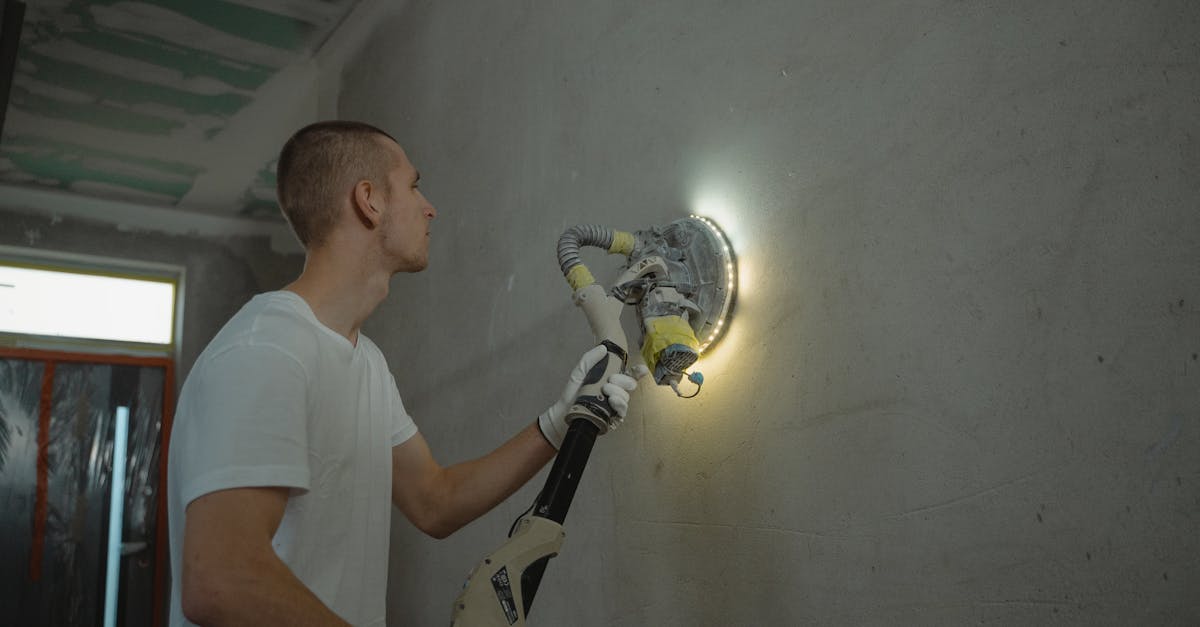
Use sanding as correction, not excavation. Aggressive sanding can fuzz drywall paper, expose mesh tape, or create a dish around the patch. A medium-fine sanding sponge usually offers better control than folded sandpaper. Before priming, shine a flashlight or work light across the wall at a low angle. If you see a ridge then, paint will not hide it later. Fix it before moving on.
Primer is non-negotiable. Fresh compound absorbs paint differently than sealed drywall, which creates dull spots or glossy rectangles even with premium paint. A dedicated drywall or stain-blocking primer evens absorption and improves color consistency. If the original wall has texture, test your texture product on scrap cardboard first. Knockdown timing, in particular, changes appearance dramatically depending on how long you wait before flattening.
Pros and cons of common finish approaches:
- Spot painting is faster, but patches often show unless the paint is new and the sheen is flat.
- Repainting the full wall takes more time, but it hides color and sheen variation much better.
- Aerosol texture is convenient, but it can splatter if overapplied.
- Hand-applied texture gives control, but matching an existing pattern takes practice.
Key takeaways: practical drywall repair tips that save time and prevent rework
If you want drywall repairs that hold up and look clean, a few habits matter more than expensive products. First, identify the cause before opening the mud. A $5 tube of caulk or a $12 patch kit will not solve moisture, loose framing, or recurring movement. Second, use thinner coats than you think you need. Three thin applications almost always look better than one thick one, and they shrink less.
Here are practical tips worth bookmarking:
- Cut away loose or torn drywall paper before filling. Mud over damaged paper often bubbles.
- For nail pops, add screws into solid framing. Covering the bump alone rarely lasts.
- Feather wider than the patch. The larger the repair, the more important a broad blend becomes.
- Use setting compound for deeper fills or faster turnaround, then finish with lightweight topping compound.
- Prime every repair, even tiny ones, if you care about matching sheen.
- Check your work with side lighting before painting. It reveals flaws standard room light hides.
- For ceiling repairs, keep tools smaller and coats tighter. Gravity exaggerates heavy buildup.
- Keep a sample of the wall paint and note the sheen. Color match without sheen match still looks wrong.
Conclusion: choose the right fix, use the right finish, and know when to call for help
Drywall repair is less about brute force and more about matching the fix to the problem. Small dents, nail pops, and simple holes are well within DIY range if you use the right compound, keep coats thin, and feather the patch wide enough to disappear. The biggest gains usually come from better diagnosis and better finishing, not more materials. Check for moisture, secure loose drywall, inspect under side lighting, and always prime before painting.
Your next step is simple: classify the damage by size and cause, gather a basic repair kit, and decide whether the repair is cosmetic or a sign of something larger. If it is a straightforward patch, take your time and focus on the finish. If the damage keeps returning, involves water, or affects a ceiling, get a pro involved early. Done well, drywall repair is one of the highest-value home fixes because it improves appearance, prevents bigger issues, and protects resale appeal.
Published on .
Share now!
LW
Luna West
Author
The information on this site is of a general nature only and is not intended to address the specific circumstances of any particular individual or entity. It is not intended or implied to be a substitute for professional advice.