Published on:
5 min read
By Hannah Foster · Decluttering Writer
Explaining the Psychology Behind Hoarding and Decluttering
I used to hold onto items for years until I explored the psychology behind my clutter. Discovering the emotional connections with my belongings helped me start letting go.
Confronting My Clutter: A Personal Journey
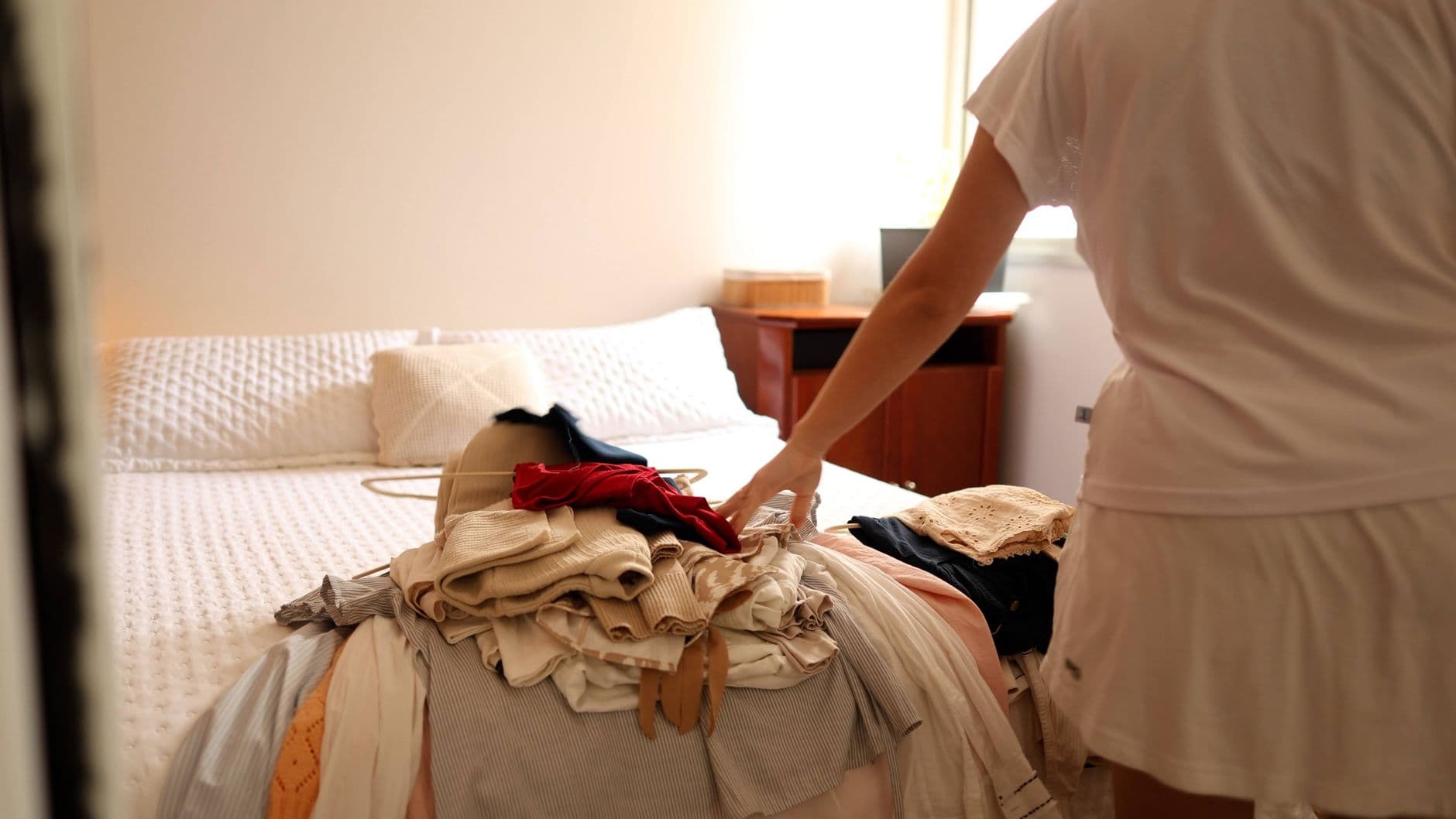
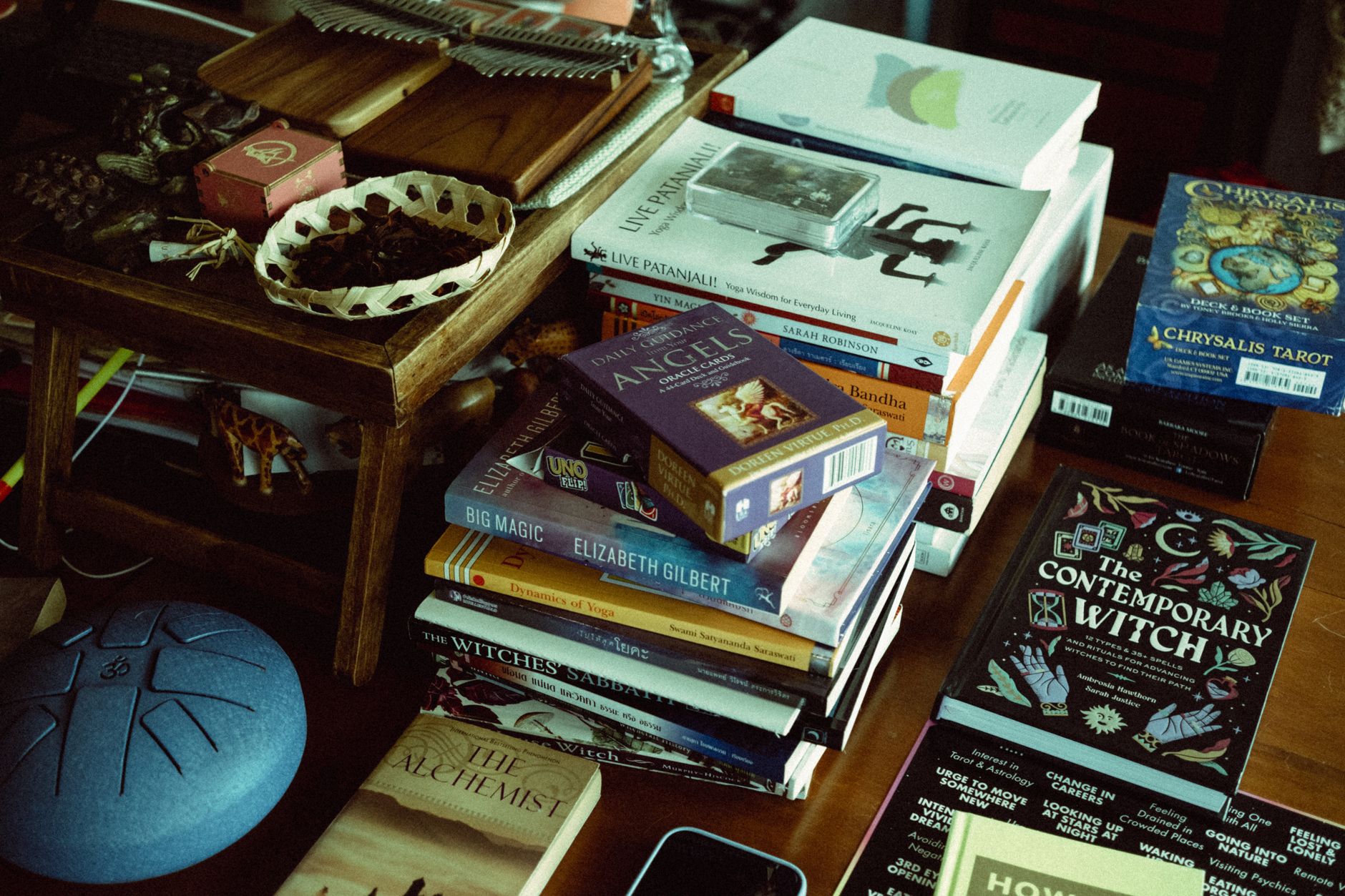
Clutter has always been a constant companion in my life. Whether it was clothes I never wore but might someday, or stacks of books I promised myself I'd read, my home was filled with items that served more as space-fillers than functional pieces. The tipping point came one evening when I spent 30 minutes looking for a particular recipe book, only to find it buried under a pile of unread magazines. I realized that my clutter wasn't just a physical mess; it was a reflection of my mental state. This article explores how understanding the psychology behind clutter helped me begin the process of letting go and how it might help you too. For years, I thought holding onto things was harmless, but it subtly affected my mood and productivity. My house, once a home, became a museum of items I was too attached to remove, although many were irrelevant to my current life.
Emotional Attachments and Letting Go
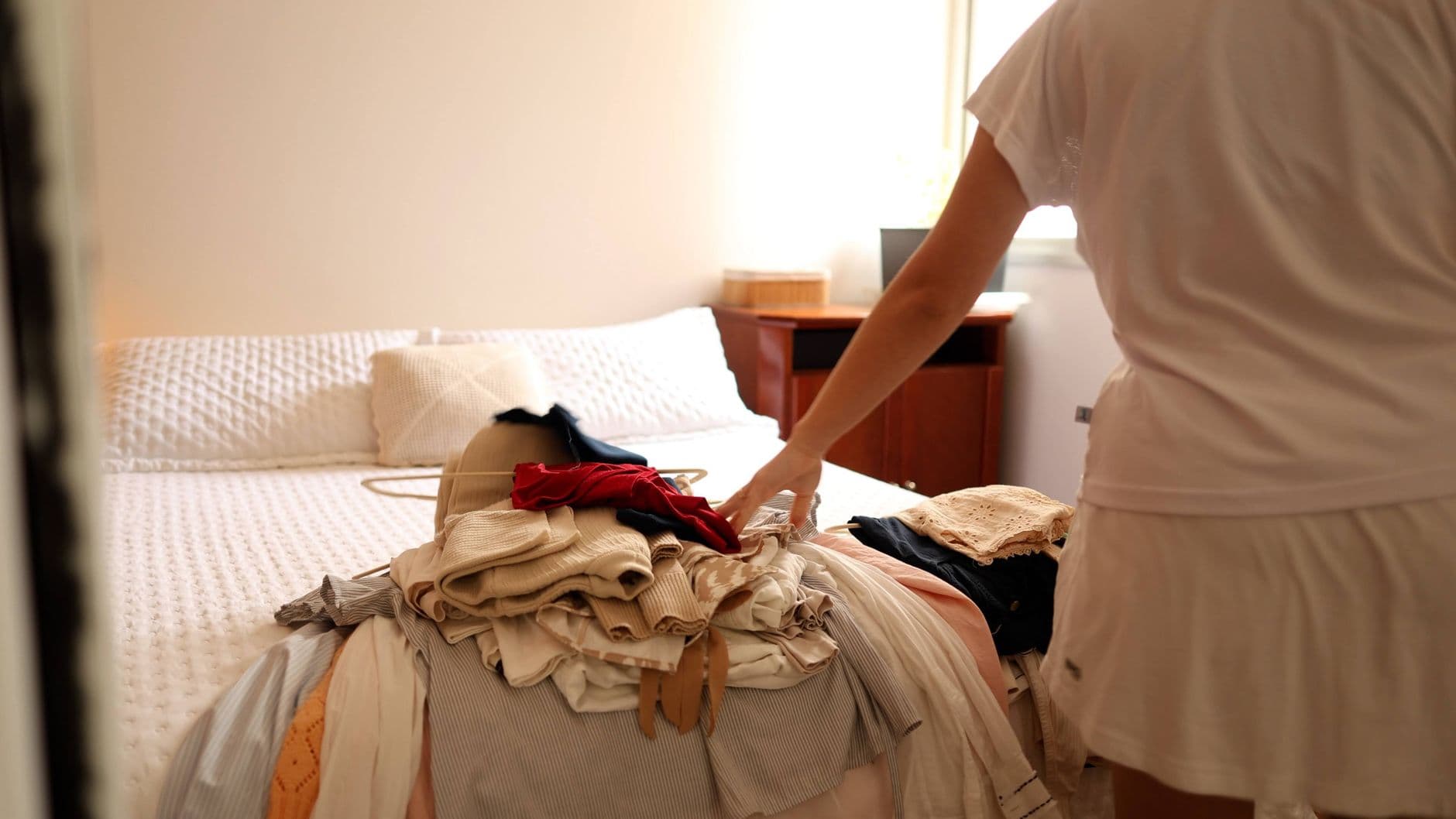
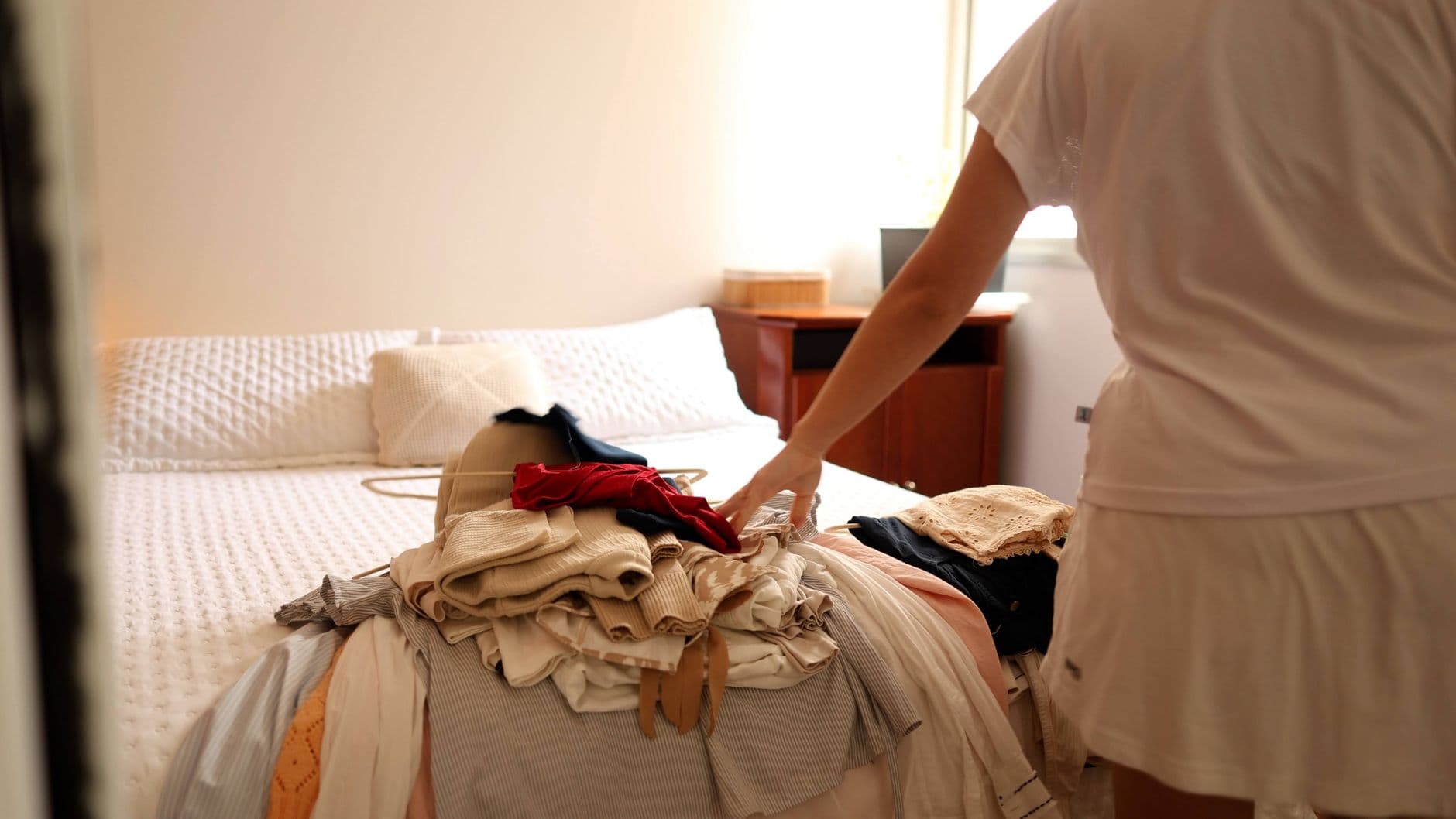
After the recipe book incident, I spent some time soul-searching about why I held onto so many things. I discovered that emotions, memories, and a sense of identity were often tangled up with my belongings. For example, I had a sweater my grandmother knitted for me. It was a connection to her and letting go felt like losing a part of her. However, I realized that the memories were not in the sweater itself but in my heart. I started with small steps, focusing on items with less emotional weight, like duplicates of kitchen tools. I donated 15% of my closet, which felt liberating once I saw it as preserving memories rather than discarding them. Moreover, understanding that keeping everything doesn't equate to keeping memories was crucial. I began to see that items can serve as markers of time and experiences but don't hold the essence of those moments. Realizing this shifted my perspective, allowing me to appreciate the memories while releasing the physical objects.
The True Cost of Clutter
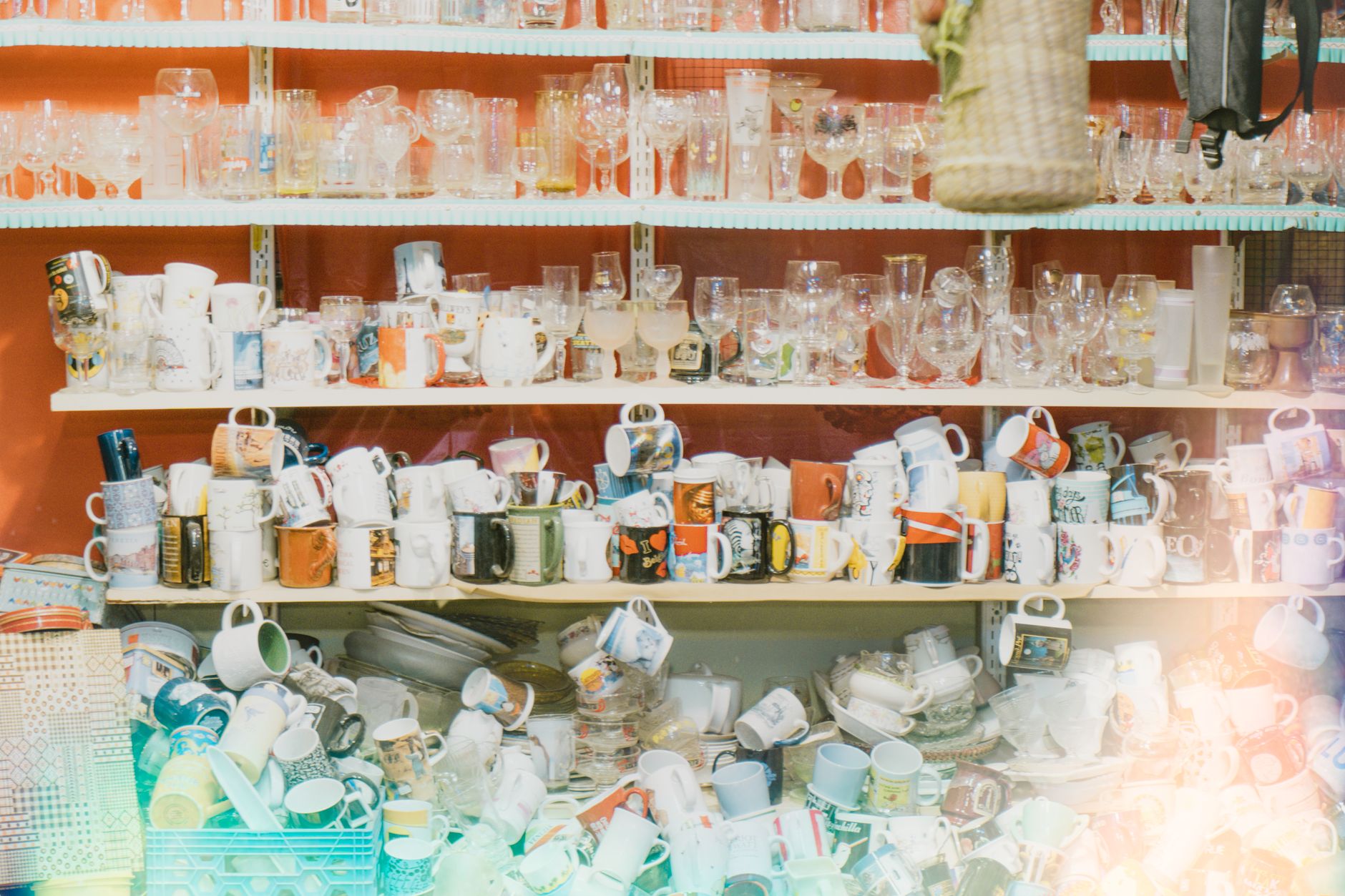
Beyond the emotional, clutter had hidden costs that went unnoticed. I found myself buying duplicates because I couldn't find what I needed. In a typical month, I spent more on items I later found buried in drawers. I also realized my time was being consumed by the chaos; up to 3 hours a week wasted on locating misplaced items. This realization made me see that clutter was not just a space issue but a time drain as well. By decluttering, I reclaimed not just space but also a sense of control over my schedule. Tracking these changes, I noticed that the effort put into organizing and decluttering repaid itself in the form of less time spent searching for things, which translated to more time available for activities I truly enjoyed. It was like shedding invisible chains, leading to a lifestyle that was not only simpler but also more intentional.
Comparing Clutter and Mental Clarity
Through my journey, I learned that the state of my environment directly impacted my mental clarity. Here's a comparison of cluttered versus decluttered environments:
| Aspect | Cluttered Environment | Decluttered Environment |
|---|---|---|
| Stress Level | High | Low |
| Time Wasted | 3 hours/week | 1 hour/week |
| Sense of Control | Minimal | Significant |
Practical Tips for Taming Your Clutter
If you're looking to start decluttering, here are some practical steps I found helpful:
- Start small: Tackle one area before moving on to another to avoid overwhelm. This could be as simple as a single drawer or one corner of a room.
- Set a timer: Dedicate 15-30 minutes daily to decluttering sessions and increase gradually. This method keeps the task from becoming a major chore.
- Use the 'one in, one out' rule: For every new item you bring in, remove one. This keeps the balance and prevents new clutter from accumulating.
- Reflect on your purchases: Before buying, ask yourself if the item truly adds value to your life. This mindful approach helps in making more deliberate choices.
- Celebrate small wins: Acknowledge every item you let go of to build momentum. Celebrating these moments can reinforce the positive aspects of decluttering and motivate you to continue.
FAQ: Your Decluttering Questions Answered
Q: How do I handle sentimental items?
I choose a few key pieces that hold the most value and store them in a special box. Photographs also help preserve memories without physical space.
Q: What if I regret getting rid of something?
In my experience, regret is rare once you focus on the benefits of a clutter-free space. Consider a 'maybe box' for items you're unsure about and revisit them in six months.
Q: How do I stop clutter from building up again?
Implement systems for regular maintenance. I schedule monthly reviews of my belongings to keep things in check.
Q: Can decluttering really improve mental clarity?
Absolutely. A tidy space significantly reduces stress for me, leading to a clearer mind and more focused work.
EditorialOur Take
Decluttering is not just about physical space; it's about creating emotional and mental room for growth. Understanding the psychology behind our attachments helps us make choices that are right for us. It's not for everyone, but if you're feeling overwhelmed by your surroundings, exploring the emotional roots of your clutter can be a transformative step. Remember, it's about progress, not perfection. Decluttering has allowed me to focus on what truly matters, and for anyone willing to delve into the why behind their clutter, it can be a rewarding journey. The shift in mindset that comes from addressing clutter can lead to a more fulfilling and less stressful life, making each day just a bit brighter and more manageable.
Published on .
Share now!

Hannah Foster
Decluttering Writer
Hannah Foster writes Annyblog's decluttering stories. She has moved apartments more times than she'd like to admit, and each move taught her something about letting go of stuff. Hannah favors gentle, guilt-free decluttering over dramatic purges. Hannah uses AI tools to research, draft, and help keep these articles accurate.
More from Hannah →The information on this site is of a general nature only and is not intended to address the specific circumstances of any particular individual or entity. It is not intended or implied to be a substitute for professional advice.
Get our best tips in your inbox
A short, practical email now and then. No spam, and you can unsubscribe anytime.