Published on:
6 min read
The Future of Food Packing: Innovations That Are Changing the Industry
As global consumption patterns evolve, the food packaging industry is undergoing a significant transformation. New technologies and sustainable practices are emerging, promising to enhance food safety, reduce waste, and meet consumer demand for environmentally friendly solutions.
Smart Packaging Solutions
Smart packaging technology is revolutionizing the way we package food. This innovation includes features like QR codes and sensors that monitor freshness and temperature, which help consumers make informed choices. For instance, companies are developing packaging that changes color to indicate spoilage or to signal the optimal time for consumption. This technology not only enhances food safety but also helps reduce food waste significantly. By letting consumers know exactly when a product is at its best, smart packing fosters trust in brands and encourages responsible consumption. As these technologies become more cost-effective, we can expect widespread adoption across various food sectors.
Sustainable and Biodegradable Materials
With the global push for sustainability, the food packaging industry is increasingly leaning towards biodegradable and compostable materials. Traditional plastics are being replaced with plant-based alternatives that break down naturally, reducing the environmental impact of food packaging waste. Innovations such as edible packaging made from seaweed, or packaging derived from agricultural waste, are gaining traction. These materials not only diminish landfill burdens but also resonate well with eco-conscious consumers who prioritize sustainability in their purchasing decisions. Companies that adopt these alternatives are not just protecting the environment but are also enhancing their brand image in an increasingly competitive market.
Minimalist Packaging Trends
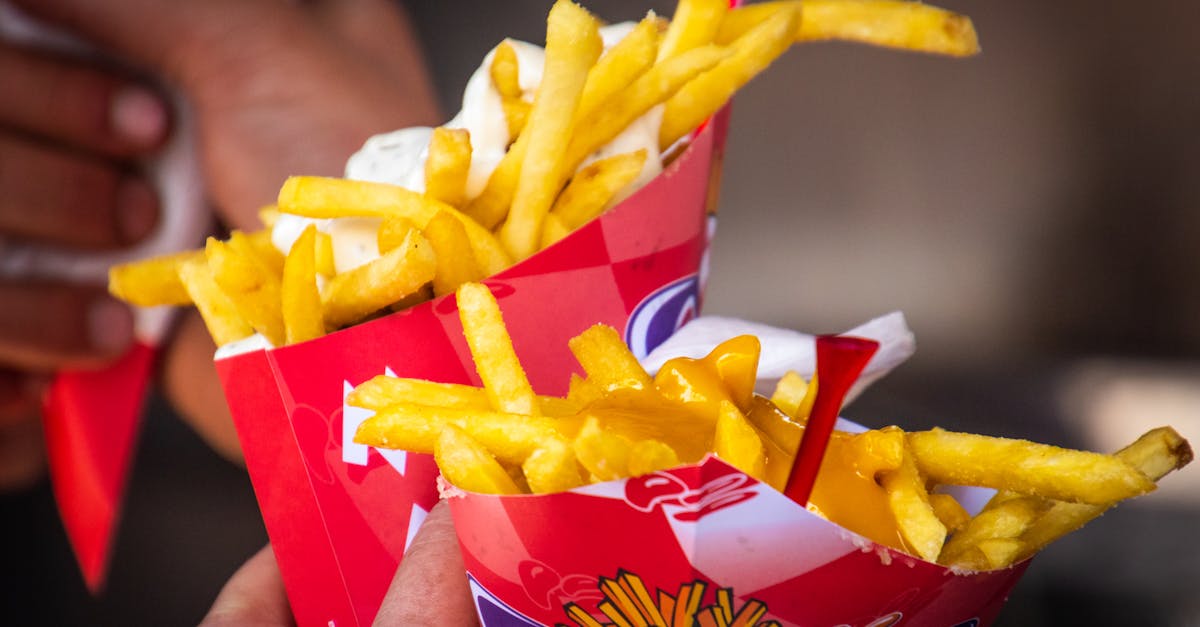
Minimalism in packaging is another emerging trend in the food industry. Brands are shifting towards simpler packaging designs that use less material while maintaining product integrity. This approach not only reduces costs but also appeals to consumers' desire for clean and straightforward products. By eliminating excess packaging, companies are able to highlight the product itself, giving it a more authentic and unprocessed appearance. Furthermore, minimalist packaging often aligns with a brand's narrative about wholesomeness and transparency, making it increasingly attractive to health-focused consumers. As brands recognize the benefits of minimizing excess, we can expect a continued movement towards this trend.
Conclusion
The future of food packaging is bright, driven by innovation and a commitment to sustainability. From smart technologies to eco-friendly materials, these changes are reshaping the industry and meeting modern consumer demands. As we continue to embrace these transformations, we can look forward to a safer, healthier, and more responsible food system that benefits both people and the planet.
Published on .
Share now!