Published on:
5 min read
By Hannah Foster · Decluttering Writer
How to Declutter Sentimental Items Without Regret
Letting go of sentimental items doesn't mean losing the memories attached to them. I learned this firsthand when clearing out my grandmother's attic, and here are the steps I took to keep the memories alive without the clutter.
Introduction: My Journey with Sentimental Clutter
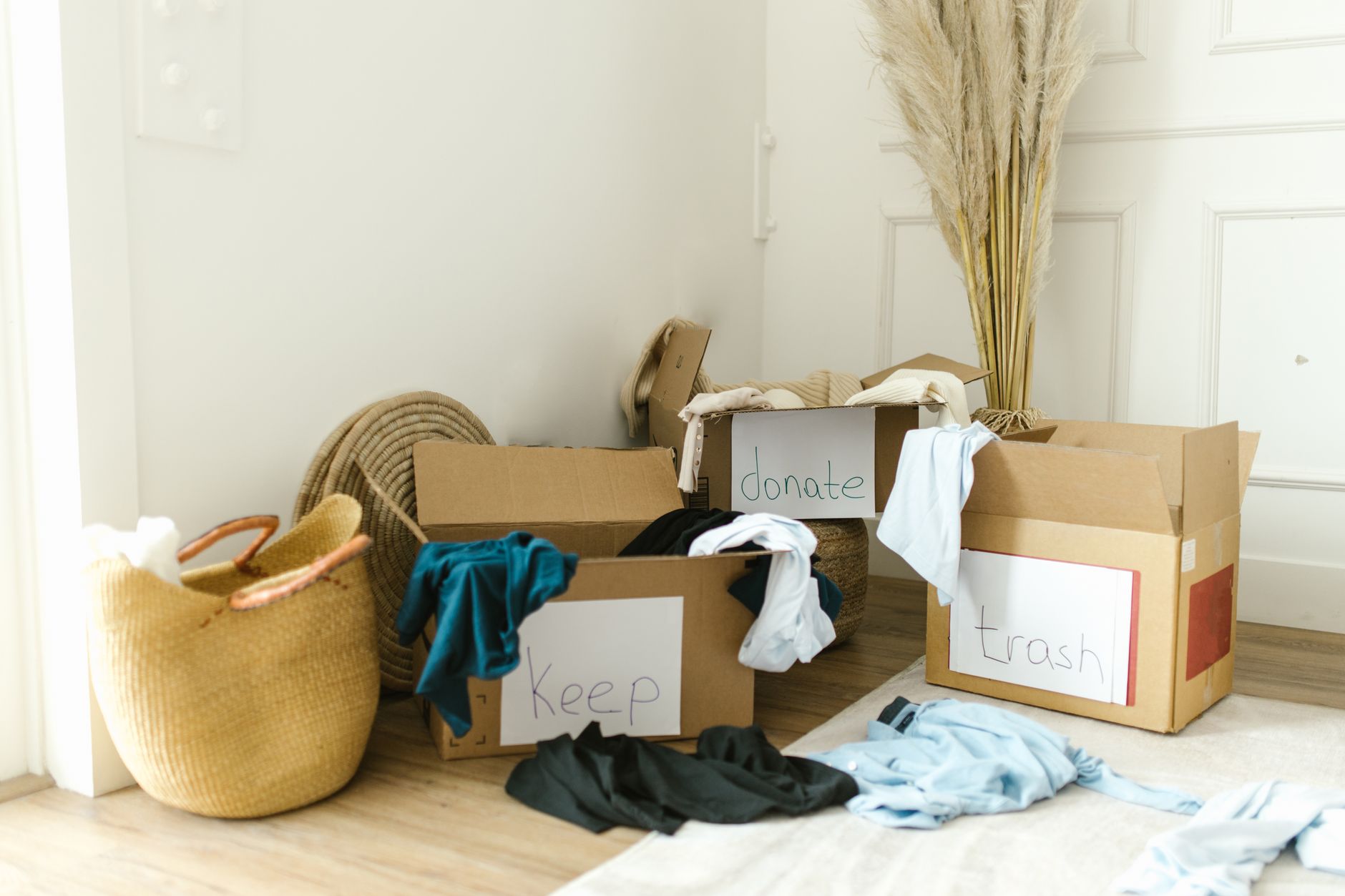
It was a rainy afternoon when I found myself in my grandmother’s attic, surrounded by boxes of her keepsakes. As I sifted through photographs, letters, and trinkets, I was overwhelmed by the task of deciding what to keep and what to let go. The fear of losing her memory loomed over me, yet the clutter was impractical. This article shares my journey of how I learned to declutter these sentimental items without losing the memories they held. The emotional attachment to these items was palpable, and each object seemed to whisper stories of the past. However, the physical space they occupied was a burden. I realized that my challenge was to find a way to honor these memories while creating an organized and functional space.
A Box of Letters: A Concrete Example
Among the many sentimental items, a box of letters caught my attention. It was filled with correspondence between my grandparents during World War II. Initially, I thought about keeping all 120 letters, but reality set in when I realized the space they occupied. I selected 20 letters that best captured their story and scanned them into digital files. This project took about 10 hours over a weekend and cost me nothing more than time and a bit of patience with my old scanner. By digitizing these letters, I preserved the essence of their communication while freeing up physical space. The process was cathartic, allowing me to read through their exchanges, reliving moments from their lives. As I scanned each letter, I paused to reflect on the significance of their words, ensuring that the memory was safely stored, not just digitally, but also in my heart.
Digitize, Donate, or Decide: A Second Approach
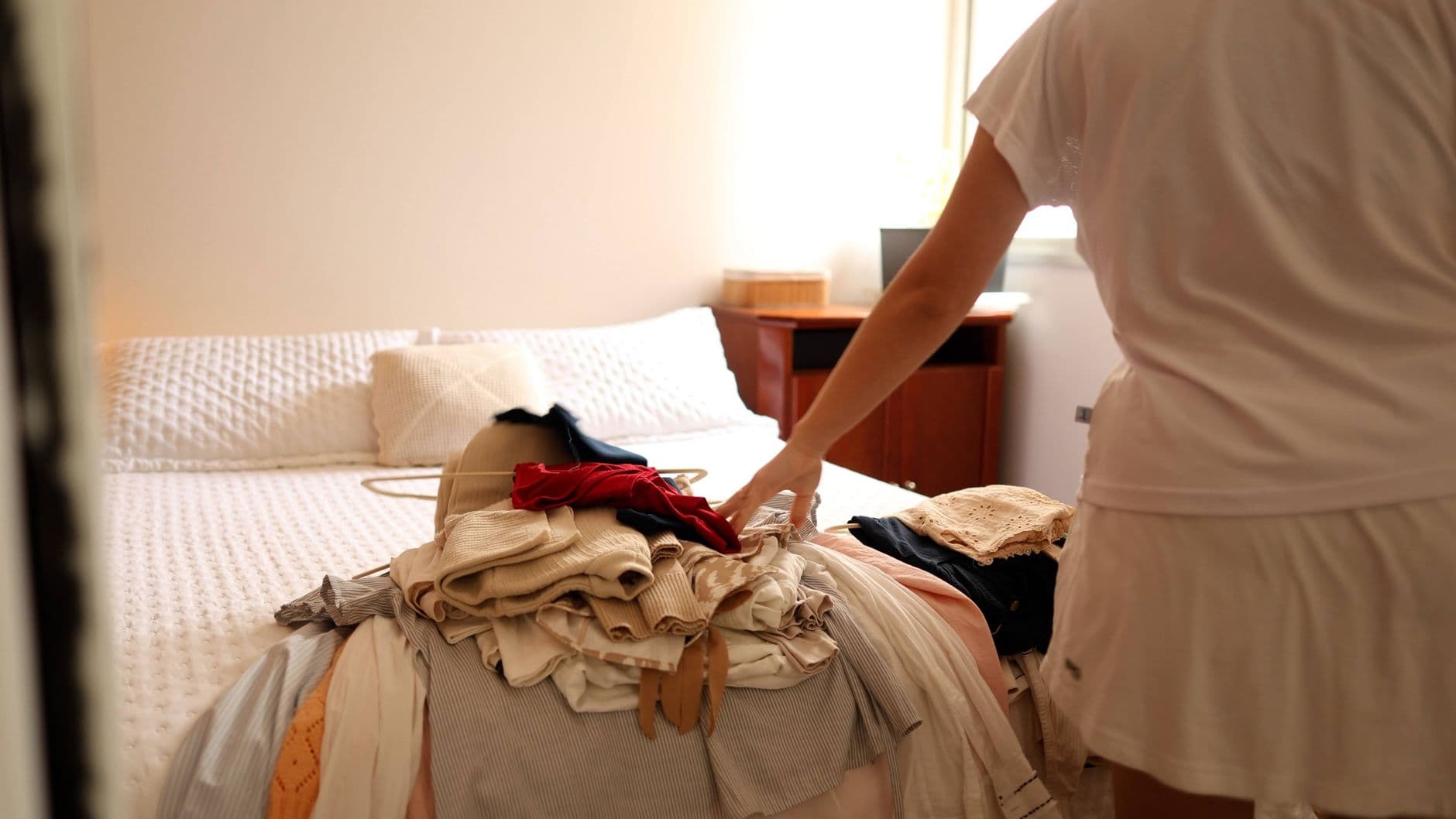
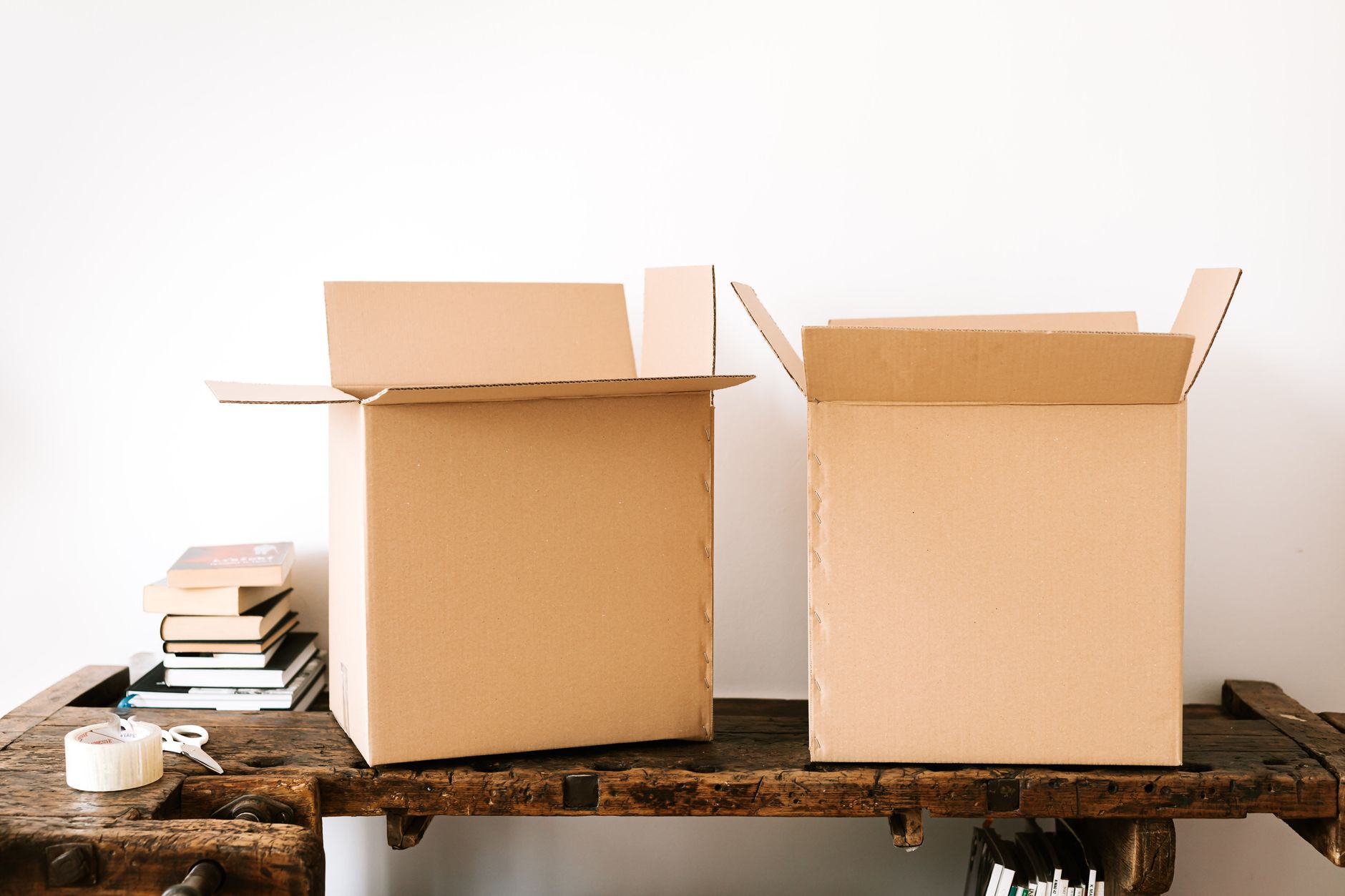
Next to the letters, I found a pile of old clothes. These items, totaling about three dozen pieces, once belonged to my grandmother. I took a different approach here. Out of the thirty-six items, I chose six to keep, including her favorite scarf and a hand-knitted sweater. The rest I photographed, capturing their details and storing them digitally. This way, I retained a visual memory while donating the remaining pieces to a local shelter. This approach allowed me to respect my grandmother’s memory without sacrificing practicality. The clothes were imbued with her essence, and keeping just a few items ensured that I could still feel her presence. The donations, I hoped, would be cherished by others, bringing warmth and love to new homes. This balance allowed me to create space in my physical environment while holding onto the emotional connections that truly mattered.
Comparison: Keeping vs. Digitizing vs. Donating
When faced with the decision to keep, digitize, or donate, I weighed the options carefully. Here's a comparison of the methods I used. Each option had its merits, and the choice often depended on the specific item in question. My decision was guided by the balance between emotional significance and practical necessity.
| Method | Pros | Cons |
|---|---|---|
| Keeping | Preserves the item in its original form | Requires significant physical space |
| Digitizing | Saves space and retains visual memory | Time-consuming and requires digital storage |
| Donating | Benefits others and frees up space | Permanent loss of the physical item |
Practical Steps for Decluttering Sentimental Items
Here's a step-by-step guide based on my experience:
- Set aside dedicated time to sort through items, ideally in 2-3 hour blocks, focusing on one category at a time.
- Assess each item and ask yourself why it holds sentimental value, considering the stories and emotions it evokes.
- Choose a few items to keep in their original form, aiming for 10-20% of the total, ensuring they represent a range of memories.
- Digitize other items using a scanner or high-quality camera, creating a digital archive that can be easily accessed.
- Donate items that could be useful to others, ensuring they find a second life and bring joy to new owners.
- Create a memory book or digital file to store images and stories of the items you let go, crafting a personal narrative that celebrates the past.
FAQ: Your Decluttering Questions Answered
Q: How do I know which items to keep?
Focus on items that bring strong, positive memories or represent significant life events. Consider whether the item is irreplaceable and if it truly adds value to your connection with the past.
Q: What if I feel guilty about giving items away?
Remember that letting go of an item doesn’t mean losing its memory. Consider donating it to a cause that would make your loved one proud, turning the item into a positive force in someone else’s life.
Q: How can I ensure my digital memories are safe?
Use a reliable cloud storage service and back up files on an external hard drive. Regularly check the files to ensure they remain accessible, possibly setting a reminder to update your backups annually.
Q: Is digitizing worth the effort?
For me, it was rewarding to have digital access to memories anytime without the physical space constraint. The process also allowed me to revisit and reflect on these memories more often, enriching my connection to my heritage.
EditorialOur Take
Decluttering sentimental items is a deeply personal journey that can be both challenging and liberating. The key is to find a balance between holding onto meaningful items and creating a livable space. This process won’t strip you of cherished memories; instead, it can renew your connection to them in a more intentional way. If you’re someone who struggles with letting go, start small and remember that it’s the memories, not the objects, that truly matter. By embracing a method that respects both emotional and practical needs, you can create a home that honors the past while making room for the present and future. Whether you are a seasoned minimalist or just beginning to explore this path, these steps can guide you in nurturing a space that reflects your true self.
Published on .
Share now!

Hannah Foster
Decluttering Writer
Hannah Foster writes Annyblog's decluttering stories. She has moved apartments more times than she'd like to admit, and each move taught her something about letting go of stuff. Hannah favors gentle, guilt-free decluttering over dramatic purges. Hannah uses AI tools to research, draft, and help keep these articles accurate.
More from Hannah →The information on this site is of a general nature only and is not intended to address the specific circumstances of any particular individual or entity. It is not intended or implied to be a substitute for professional advice.
Get our best tips in your inbox
A short, practical email now and then. No spam, and you can unsubscribe anytime.