Published on:
5 min read
By Grace Mitchell · Home Organization Editor
Is Open Shelving Practical for Everyday Living?
I ventured into the world of open shelving in my living room to see if it could handle the chaos of daily life. Here's what I learned about its practicality.
Testing Open Shelving: A Real-Life Experiment
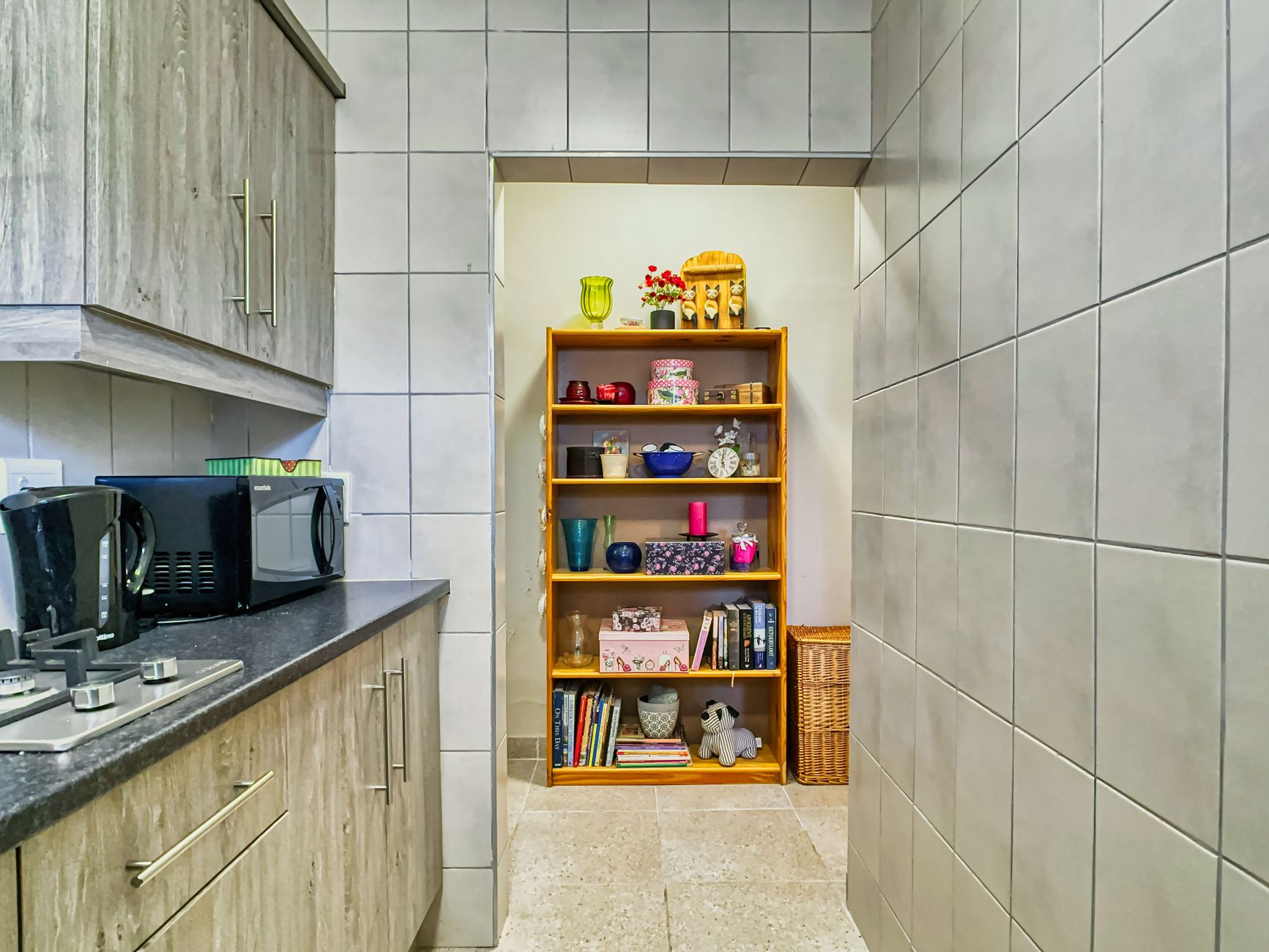
In my quest for a more streamlined and visually appealing living space, I decided to try open shelving. The idea seemed perfect in theory—accessible, airy, and a chance to display my favorite items. But I wondered, could it handle the practicalities of everyday life? Over the next few weeks, I embarked on a mission to integrate open shelves into my living room, documenting every step to find out if they could withstand the hustle and bustle of my home.
My living room has always been a focal point of activity, often cluttered with magazines, remotes, and charging cables for various devices. I needed a solution that wouldn't just look good but would also serve a practical purpose. The open shelves promised a blend of function and style, and I was eager to see how they would transform the space, if at all.
Setting Up: The Initial Challenge
I started by installing two 4-foot long floating shelves above my sofa, spending about $50 on materials from the local hardware store. Assembly took about three hours, involving some trial and error with the wall anchors to ensure they could hold weight. The first challenge was deciding what to display. I settled on a mix of books, a few framed photos, and small potted plants. Within a day, I noticed an immediate difference in the room's feel—it was brighter and more inviting. However, as the week progressed, I realized keeping everything looking tidy was going to be a challenge. Dust settled quickly, and the unevenness of the book spines made the arrangement look cluttered.
Moreover, finding the right balance between too sparse and overly cluttered took several rearrangements. I initially overcrowded the shelves, hoping to showcase as much as possible. This approach backfired, making the room feel more disordered than before. I learned that less is indeed more with open shelving. By paring down the items and creating groups, I managed to create a more cohesive and aesthetically pleasing look.
Daily Life with Open Shelving: Pros and Cons
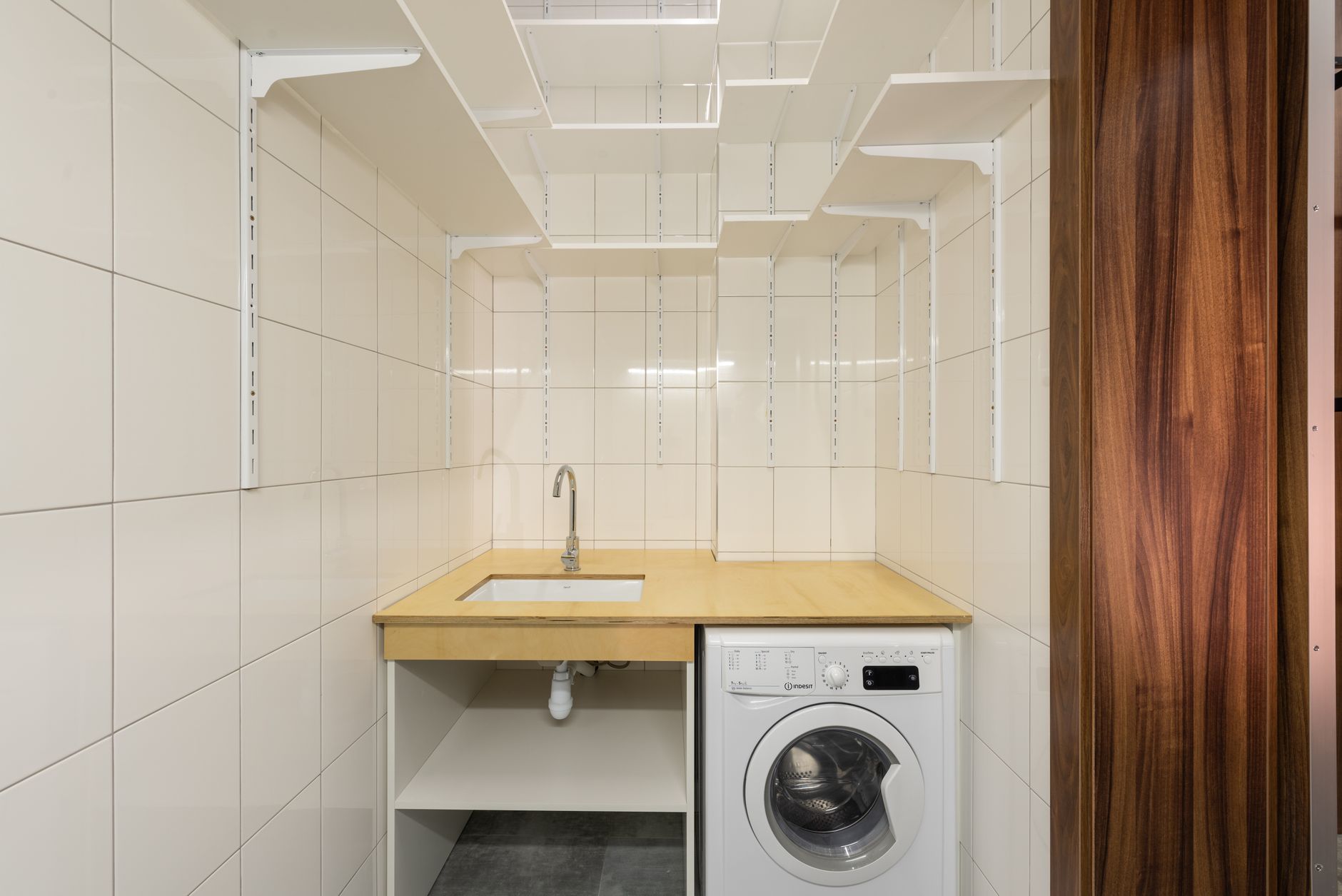
The open shelves offered easy access to books and decor, but they also became a catch-all for miscellaneous items. I found myself constantly reorganizing, which took up about 15 minutes a day—time I hadn't anticipated spending. Another issue was that my cat, Felix, adored hopping onto the lower shelf, knocking over plants in the process. These daily disruptions made maintenance more time-consuming than closed storage solutions. Despite these issues, the aesthetic appeal was undeniable, and I loved how the shelves showcased my personality.
Open shelving also required a weekly cleaning routine. The visible nature of the shelves meant that any dust or disarray was immediately noticeable, unlike closed cabinets which hide a multitude of sins. I soon adopted a habit of regular dusting every Sunday morning, extending my usual cleaning time by about 30 minutes. It was a small price to pay for the fresh look they provided, but it was a routine I had to commit to if I wanted the open shelves to work in my space.
Open vs. Closed Shelving: A Practical Comparison
To assess whether open shelving was worth it, I compared it to closed shelving options I had used previously. I weighed factors such as accessibility, aesthetics, and maintenance needs to see how they stacked up against each other.
The comparison gave me a clear perspective on what each type of shelving could offer. While open shelving shines in accessibility and aesthetics, it's higher maintenance compared to closed shelving options.
| Feature | Open Shelving | Closed Shelving |
|---|---|---|
| Accessibility | Easy to grab items quickly | Requires opening doors/drawers |
| Aesthetic | Airy, visually appealing | Neat, minimalistic |
| Maintenance | Requires frequent dusting and reorganizing | Less maintenance, items hidden |
Tips for Managing Open Shelving Successfully
Here are some practical tips I learned to make the most of open shelving:
- Limit the number of items: Keep the shelves sparse to reduce clutter and dusting.
- Use decorative boxes: Store small, loose items in boxes for a cleaner look.
- Regularly rotate items: Change up displays to keep the space fresh and engaging.
- Secure fragile items: Use museum putty to prevent breakage from accidental bumps or curious pets.
- Incorporate greenery: Plants add life but choose ones that require minimal sunlight if your shelves aren’t near a window.
Open Shelving FAQs
Q: How do you keep open shelves dust-free?
Regular dusting is essential. I find a microfiber cloth works best, and a hand-held vacuum can quickly tidy up corners. Opting for weekly dusting ensures that it doesn't accumulate too much.
Q: What if my wall can't support heavy shelves?
Consider using lightweight materials or spreading the load across multiple wall anchors. Alternatively, look into freestanding shelving units that mimic the open shelving look. They offer flexibility and don't require drilling into walls.
Q: How do you prevent items from looking cluttered?
Stick to a color scheme and group items by theme or size. This creates a cohesive look rather than a haphazard one. I found using a consistent palette, like whites and blues, helped unify the space.
Q: Are there specific items best avoided on open shelves?
Fragile or valuable items are better suited for closed storage to avoid the risk of damage. Things prone to dust, like textiles, can also be challenging to maintain on open shelves.
EditorialOur Take
In the end, open shelving can be both a blessing and a curse. It adds personality and accessibility to a room but demands more attention for upkeep. It's ideal for those who enjoy frequently changing decor and have a knack for styling. However, if you prefer low-maintenance solutions, closed shelving might be the better choice. Personally, I appreciate the charm open shelving brings to my living room but acknowledge it's not for everyone, especially in homes with pets or young children.
For those considering open shelving, be prepared for the extra maintenance and a commitment to keeping things organized. It's a style that rewards those who like to curate and change up their decor regularly. If you're someone who isn't keen on regularly cleaning or organizing, you might find closed shelving a more practical option.
Published on .
Share now!

Grace Mitchell
Home Organization Editor
Grace Mitchell leads Annyblog's home-organization writing. She is a reformed over-buyer who learned that a calm home comes from fewer things in better places. Grace shares the systems that actually stuck for her. Grace uses AI tools to research, draft, and help keep these articles accurate.
More from Grace →The information on this site is of a general nature only and is not intended to address the specific circumstances of any particular individual or entity. It is not intended or implied to be a substitute for professional advice.
Get our best tips in your inbox
A short, practical email now and then. No spam, and you can unsubscribe anytime.