Published on:
7 min read
Mastering Forklift Operations: Essential Skills for Success
Forklift operations play a critical role in various industries, from warehouses to manufacturing plants. Mastering these skills not only enhances safety but also boosts productivity and efficiency.
Understanding Forklift Basics
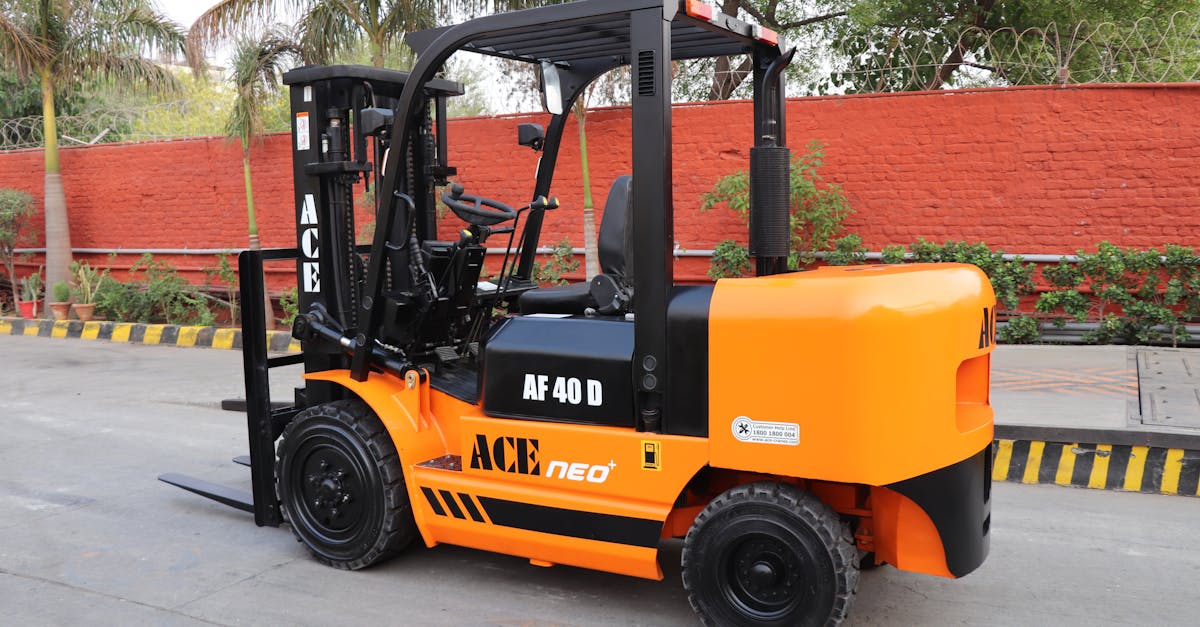
Before diving into advanced forklift operations, it's essential to grasp the fundamentals. A forklift, or lift truck, is designed to lift and move heavy materials over short distances. Familiarizing yourself with the different types of forklifts such as counterbalance, reach, and pallet jacks can provide a solid foundation for effective operation. Each type has unique features and capabilities suited for specific tasks. Understanding how to read load capacities and ensure proper balance is crucial for safe operations. Moreover, knowing the vital components—like forks, mast, and carriage—will help operators identify maintenance needs, ensuring equipment longevity and safety.
Safety Protocols in Forklift Operations
Safety is paramount in forklift operations, given the potential hazards involved. Operators should undergo comprehensive training to understand OSHA guidelines and the importance of personal protective equipment (PPE). Before use, a daily checklist for the forklift should be performed to verify operational efficiency. Key safety practices include maintaining a clear line of sight while driving, never exceeding load capacities, and ensuring proper signaling when maneuvering around pedestrians. Additionally, conducting regular safety drills and fostering a culture of safety within the workplace can minimize accidents and injuries, ultimately leading to improved workflow and employee morale.
Improving Forklift Efficiency
To master forklift operations, one must focus on efficiency alongside safety. Operators should be trained in best practices for maneuvering, stacking, and retrieving loads to minimize time spent on tasks. Understanding the layout of the workspace and anticipating potential obstacles can significantly enhance speed and productivity. Operators should also practice smooth driving techniques, such as gentle acceleration and braking, to avoid load shifts and damages. Regular maintenance of the forklift, including battery checks and wheel alignment, further ensures operational efficiency. Using technology, such as warehouse management systems, can aid in tracking loads and optimizing routes, making operations more streamlined.
Conclusion: The Path to Forklift Mastery
Mastering forklift operations is a journey that combines safety, efficiency, and continuous improvement. As industries evolve and new technologies emerge, staying informed about best practices and enhances skills is crucial. By dedicating time to training, understanding equipment, and following safety protocols, operators not only refine their capabilities but also contribute to a safer and more productive work environment. Embracing this mindset will pave the way for success in forklift operations.
Published on .
Share now!