Published on:
10 min read
Pergola Pavilion Installation: 7 Smart Buying Tips
Buying a pergola pavilion sounds simple until you compare materials, footing requirements, wind ratings, installer quotes, HOA rules, and the hidden cost of accessories. This guide breaks down the seven smartest decisions homeowners should make before spending a dollar, from choosing between aluminum, cedar, and vinyl to understanding why a cheap kit can become expensive once anchoring, electrical work, and permits are added. You’ll also learn how to evaluate site conditions, compare contractors, and avoid common mistakes that lead to leaks, wobble, premature fading, or code violations. Whether you want a compact 10x12 retreat for a townhouse patio or a larger 14x20 structure for outdoor dining, this article gives you practical, experience-based advice, balanced pros and cons, and real-world examples so you can buy with confidence and install once instead of paying twice.
- •Why Buying the Right Pergola Pavilion Matters More Than Most Homeowners Expect
- •Tip 1 and Tip 2: Match the Structure to Your Climate and Choose Materials by Lifetime Cost
- •Tip 3 and Tip 4: Get the Size, Layout, and Site Preparation Right Before You Compare Quotes
- •Tip 5: Understand Permits, HOA Rules, and Wind Ratings Before You Place the Order
- •Tip 6 and Tip 7: Compare Installers Like a Project Manager and Budget for the Hidden Costs
- •Key Takeaways: Practical Buying Moves That Save Money and Regret
- •Conclusion
Why Buying the Right Pergola Pavilion Matters More Than Most Homeowners Expect
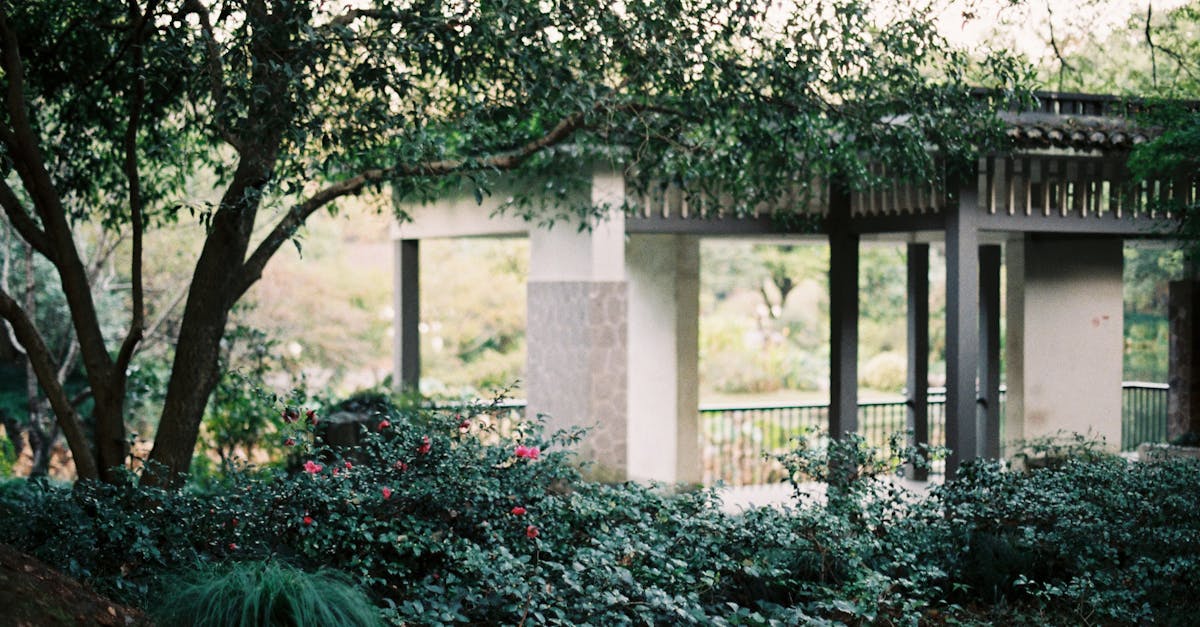
A pergola pavilion sits at the intersection of design, construction, and long-term property value, which is why buying one casually often becomes expensive. Many homeowners start with aesthetics, focusing on roof style, post thickness, and color. The smarter approach is to treat the purchase like a small outdoor building project. A basic 10x12 freestanding kit may start around $2,500 to $6,000, while larger premium models with insulated roof panels, lighting, and motorized louvers can easily reach $12,000 to $30,000 installed. That price gap is not just about looks. It reflects engineering, materials, coatings, hardware quality, and installation complexity.
The first smart mindset shift is this: installation conditions often determine total cost more than the structure itself. A pergola pavilion placed on an existing concrete slab may install in a day. The same unit placed over pavers with poor drainage might need excavation, new footings, and regrading, adding thousands. Wind exposure matters too. In coastal or open backyard settings, uplift loads can be dramatically higher than in sheltered suburban lots.
Here is where buyers usually miscalculate:
- They compare kit prices but ignore footing and permit costs
- They assume any handyman can install a structural pavilion correctly
- They overlook HOA setbacks, utility lines, and drainage paths
- They buy undersized structures that look fine online but feel cramped in real life
Tip 1 and Tip 2: Match the Structure to Your Climate and Choose Materials by Lifetime Cost
The smartest buyers begin with climate, not color. If you live in a region with heavy snow, wind, or intense UV exposure, your pergola pavilion needs structural capacity and finishes suited to that environment. Snow loads in many northern markets can range from 20 to 50 pounds per square foot, and some mountain areas require even more. In hot southern climates, powder-coated aluminum often outperforms cheaper painted steel because it resists corrosion and chalking better over time. Wood can be beautiful, but local weather determines whether that beauty becomes a maintenance burden.
Material selection should be based on lifetime cost, not sticker price. Cedar usually offers a premium natural look and good insect resistance, but it still needs sealing or staining on a recurring schedule. Aluminum typically costs more upfront than entry-level wood kits, yet its maintenance costs are lower across 10 to 15 years. Vinyl appeals to buyers who want minimal upkeep, but lower-grade vinyl can discolor or feel less substantial in high heat.
Pros and cons to weigh:
- Cedar pros: warm appearance, strong curb appeal, can be customized easily
- Cedar cons: ongoing maintenance, potential warping, higher long-term upkeep
- Aluminum pros: low maintenance, strong for weight, modern look, rust resistance when properly finished
- Aluminum cons: higher upfront cost, can look too commercial if design is poor
- Vinyl pros: easy cleaning, lower maintenance, usually budget-friendly
- Vinyl cons: fewer premium aesthetics, possible fading, less structural confidence in some low-cost kits
Tip 3 and Tip 4: Get the Size, Layout, and Site Preparation Right Before You Compare Quotes
Size errors are among the most common buying mistakes because people shop by dimensions instead of function. A 10x10 pergola pavilion sounds generous until you place a dining table, six chairs, a grill path, and post clearances inside it. For dining, many homeowners are more comfortable with at least 12x14. For lounge seating plus circulation, 12x16 or 14x20 often works better. The rule of thumb is simple: map your furniture on the ground with tape before you buy. Leave at least 36 inches for movement around major seating zones, and more if the area connects to a door or outdoor kitchen.
Site preparation is just as important as structure size. Installers need to know whether the pavilion will sit on concrete, decking, pavers, or bare ground. Each surface changes anchoring strategy, labor time, and code requirements. Pavers, for example, rarely provide the structural support needed by themselves. Many installations require removing pavers, pouring concrete footings below frost depth, then resetting surface materials around the posts.
This is where quote comparisons become misleading. One installer may include footings, haul-away, anchoring hardware, and sealant. Another may quote only assembly. If the prices are far apart, that does not automatically mean one is overpriced. It may mean one is complete.
A useful comparison framework is below.
| Project Factor | What to Confirm Before Buying | Typical Cost Impact |
|---|---|---|
| Base surface | Concrete slab, deck, pavers, or soil | $0 to $4,000+ |
| Footings | Depth, diameter, reinforcement, frost-line compliance | $800 to $3,500+ |
| Access | Can installers bring materials through side yard or gate | $0 to $1,000+ |
| Electrical | Fans, lighting, outlets, heaters, permits | $500 to $4,000+ |
| Drainage or grading | Water runoff direction and pooling risks | $300 to $2,500+ |
Tip 5: Understand Permits, HOA Rules, and Wind Ratings Before You Place the Order
A pergola pavilion is often treated by homeowners as patio furniture, but municipalities and HOAs frequently treat it as a structure. That difference can delay a project by weeks or turn a nonrefundable order into a headache. In many areas, anything permanently anchored may require zoning review, setback compliance, and sometimes engineered drawings. If the unit has electrical features such as recessed lights, fans, or infrared heaters, permit requirements become even more likely.
Wind rating deserves special attention because marketing language can be vague. Some kits advertise suitability for “all-weather use” without listing tested wind speeds or installation conditions. A pavilion rated for 90 mph winds when anchored to a reinforced slab is not automatically suitable for a rooftop deck or paver patio. Ask for documentation. If your property is in a hurricane-prone or high-wind zone, engineering should be part of the buying decision, not an afterthought.
Common due diligence steps:
- Ask your city whether the project needs a building permit, zoning review, or electrical permit
- Confirm rear and side-yard setback distances in writing
- Review HOA design standards for roof color, height, placement, and visibility from neighboring lots
- Request structural specs showing post size, anchor details, and wind or snow load assumptions
Tip 6 and Tip 7: Compare Installers Like a Project Manager and Budget for the Hidden Costs
The installer you choose can determine whether a pergola pavilion feels rock solid for 15 years or starts shifting after the first storm. Many buyers focus on manufacturer reputation but spend too little time vetting the crew doing the actual work. Ask how many similar structures the installer has completed in the last 12 months, whether they handle permits, and who is responsible if footings fail inspection. A contractor with direct experience in outdoor structures will usually ask better questions about drainage, substrate, and anchoring than a general labor crew.
Hidden costs are where budgets often blow up. Motorized louvers, integrated gutters, privacy screens, lighting, and heaters dramatically improve usability, but they also add electrical work and labor. Even relatively small upgrades matter. Two outdoor-rated ceiling fans plus wiring can add $800 to $2,000 depending on access and local labor rates. Premium post wraps, larger columns, and custom stains also push a project beyond the original quote quickly.
Here is a comparison checklist smart buyers use.
| Installer Question | Why It Matters | Good Sign |
|---|---|---|
| Are permits included? | Avoids surprise admin work and delays | Clear written scope |
| Who handles footings and inspections? | Critical for structural compliance | Installer coordinates both |
| What warranty covers labor? | Product and labor warranties are different | At least 1 year labor coverage |
| Can I see 3 recent similar projects? | Confirms relevant experience | Photos plus references |
| What exclusions are in the quote? | Prevents hidden charges | Detailed exclusions list |
Key Takeaways: Practical Buying Moves That Save Money and Regret
If you want a pergola pavilion that performs well and looks intentional, the best strategy is to slow down the buying phase and speed up the decision quality. Most expensive mistakes happen before installation begins. The good news is that a few disciplined steps can dramatically improve outcomes.
Use this practical checklist before you sign anything:
- Measure your space based on furniture layout, not just yard dimensions
- Pick material by climate and maintenance tolerance, not only aesthetics
- Ask for structural specs, including wind and snow load assumptions
- Verify permit and HOA requirements before placing a custom order
- Compare complete installed costs, including footings, anchoring, electrical, and cleanup
- Request recent project examples from installers who have built similar structures
- Leave budget room for upgrades you are likely to want later, such as lighting or privacy screens
Conclusion
A pergola pavilion is a meaningful investment, so buy it with the same care you would use for a kitchen remodel or deck addition. Start by matching the structure to your climate, then verify size, site conditions, permits, and installation details before comparing prices. Focus on lifetime cost rather than just upfront cost, and make sure every quote clearly states what is included. The best next step is simple: measure your intended layout, photograph the installation area, and request two or three detailed quotes from experienced installers. Ask each one about anchoring, permits, drainage, and warranty coverage. When you buy with those questions in mind, you are far more likely to end up with a pavilion that looks great, performs well, and adds real value to how you use your home.
Published on .
Share now!
LC
Logan Carter
Author
The information on this site is of a general nature only and is not intended to address the specific circumstances of any particular individual or entity. It is not intended or implied to be a substitute for professional advice.