Published on:
10 min read
Repossessed Sheds: Smart Buying Guide and Key Checks
Buying a repossessed shed can save you a meaningful amount of money, but the bargain only works if you understand what you are actually getting. This guide breaks down how repossessed sheds are typically sold, where the real risks hide, and which checks matter most before you hand over any money. You will learn how to assess structure, transport costs, site requirements, paperwork, and repair budgets so you can compare a cheap-looking listing against the true all-in cost.
The article also covers practical red flags, negotiation angles, and real-world buying scenarios that many shoppers miss, such as base preparation, crane access, and damp-related timber damage. Whether you are looking for a garden office shell, a storage building, or a workshop, this guide is designed to help you avoid expensive mistakes and spot the rare deal that is genuinely worth moving fast on.
- •Why repossessed sheds can be a bargain, and why some are money pits
- •Where to find repossessed sheds and how sale channels change the risk
- •The inspection checklist that separates a good deal from an expensive rebuild
- •Calculating the real cost: purchase price, moving fees, site prep, and repairs
- •Legal, site, and insurance checks that buyers often miss
- •Negotiation tactics, smart buying signals, and red flags to walk away from
- •Key Takeaways and next steps before you commit
Why repossessed sheds can be a bargain, and why some are money pits
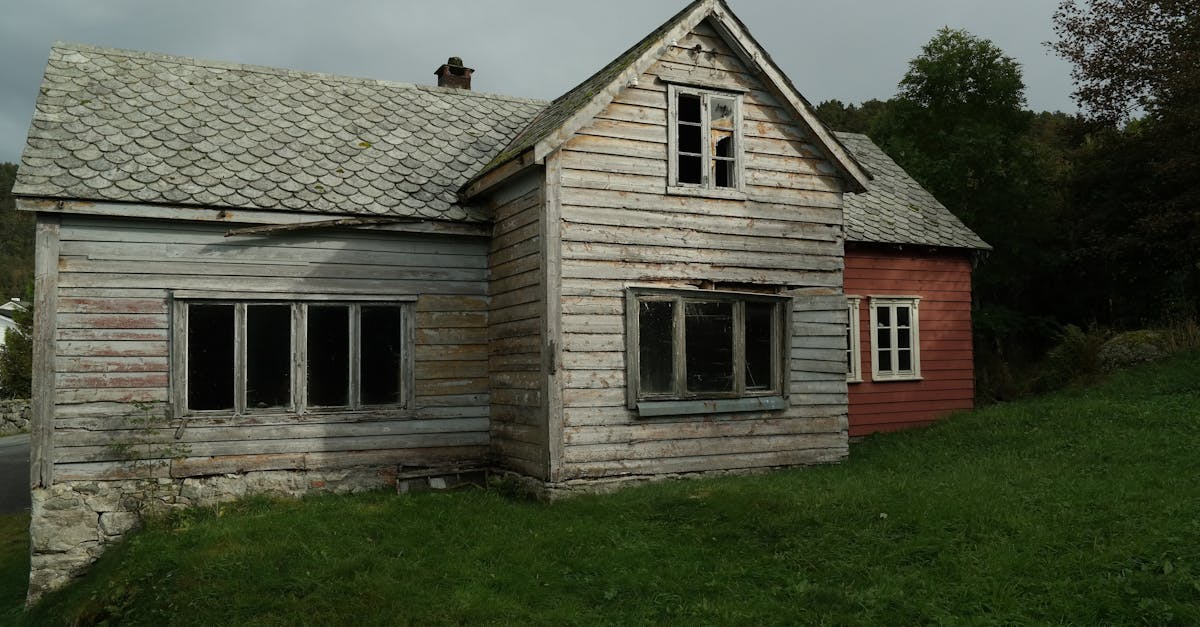
A repossessed shed usually enters the market after a finance default, business closure, site clearance, or storage yard recovery. That matters because the shed may be structurally sound but sold quickly, which creates the price gap buyers chase. In many local markets, second-hand sheds can sell for 30 to 60 percent less than a comparable new unit once sellers prioritize clearance over margin. A timber workshop that costs $6,000 new might appear at $2,800 to $3,800, and a metal storage shed listed at $4,500 new may resurface under $2,500 if collection is immediate.
The catch is simple: the cheapest listing is rarely the cheapest ownership outcome. Transport, lifting, dismantling, base repairs, and replacement panels can wipe out the headline saving fast. A buyer who picks up a “$2,000 bargain” and then spends $900 on hauling, $600 on a new base, and $700 on roof and door repairs has really bought a $4,200 project.
There are genuine upsides and downsides to this market:
- Pros: lower purchase price, faster availability, potential for negotiation, and access to larger or better-spec sheds than your new-build budget would allow.
- Cons: limited warranty, uncertain history, hidden water damage, relocation risk, and higher setup complexity than many first-time buyers expect.
Where to find repossessed sheds and how sale channels change the risk
Not all repossessed shed listings are equal, because the sale channel often tells you how much information, access, and recourse you will get. The most common sources are auction houses, asset recovery firms, portable building dealers, liquidation sales, online marketplaces, and local contractors clearing commercial sites. Each route can produce value, but the level of due diligence you can perform is very different.
Auctions often offer the lowest prices, especially when lots must be removed within 48 to 72 hours. That urgency can work in your favor if you already know transport costs and have viewed the unit in person. On the other hand, auction terms are usually strict, deposits are immediate, and goods are typically sold as seen. Private marketplace listings can be easier to negotiate, but descriptions are often vague, measurements are inconsistent, and ownership paperwork may be weak.
Here is a practical comparison of common buying routes and what they mean for buyers who want savings without nasty surprises.
| Buying Channel | Typical Price Advantage | Main Benefit | Main Risk |
|---|---|---|---|
| Auction house | High | Lowest entry price | Limited recourse and short removal window |
| Asset recovery firm | Medium to high | More structured process | Condition still may be poorly documented |
| Portable building dealer | Medium | May offer transport or refurbishment | Higher markup than direct purchase |
| Online marketplace | Variable | Local deals and negotiation | Ownership and condition can be unclear |
| Liquidation or site clearance | High | Commercial-grade units possible | Access and dismantling complexity |
The inspection checklist that separates a good deal from an expensive rebuild
If you inspect only the outside walls and roofline, you are not really inspecting a shed. Repossessed units often fail at the joints, floor edges, base frame, door openings, and roof fasteners before they fail in obvious ways. Start with dimensions and verify them yourself. A seller may call a shed 12 by 20 feet, but external roof overhangs can distort the true usable footprint. That matters when you are planning storage racking, machinery placement, or a garden office conversion.
Then move to structure. Press along lower timber walls with a screwdriver handle and look for softness, swelling, or flaking paint near the bottom 6 to 12 inches. On metal sheds, check for corrosion at anchor points, panel laps, and around fasteners. Roofs deserve extra attention because minor leaks create major downstream costs. Stained rafters, musty smells, rippled OSB, and black spotting on interior sheathing all suggest prolonged moisture exposure.
Use this field checklist when viewing:
- Floor: sagging, bounce, soft corners, rot near door thresholds.
- Walls: bowing, split studs, panel separation, patched holes.
- Roof: missing fixings, ponding signs, torn felt, daylight through seams.
- Doors and windows: misalignment, swollen timber, broken locks, bent tracks.
- Frame and base: twist, corrosion, cracked skids, damaged lifting points.
- Interior: mold smell, condensation marks, pest droppings, wiring alterations.
Calculating the real cost: purchase price, moving fees, site prep, and repairs
Most buyers underestimate the non-purchase costs, and that is where repossessed shed deals are won or lost. The total number to calculate is landed, installed, and usable cost. Start with the sale price, then add dismantling if required, loading equipment, transport distance, offloading, site access adjustments, and base preparation. A shed that is only five miles away can still be expensive if it needs a HIAB truck, two installers, and fence removal to access your garden.
For a realistic example, imagine a 10 by 16-foot timber shed bought for $2,900. Dismantling and loading could cost $350 to $700. Local transport may run $250 to $600, but awkward access can push crane or specialist lift fees above $800. A new gravel and slab base may add $500 to $1,200, while replacement felt, trim, and floor repairs can easily land between $400 and $1,000. Suddenly the total reaches $4,400 to $6,200.
That still may be a good buy, but only if a comparable new shed with similar framing, cladding thickness, and roof specification costs more. Use this rule of thumb: compare the all-in number against new like-for-like cost, not against the cheapest new shed online. Thin overlap-clad budget sheds are poor comparisons if you are buying a heavier tongue-and-groove workshop.
A practical buyer budget should include:
- 10 to 15 percent contingency for hidden repairs.
- Delivery quotes from at least two providers.
- Base cost confirmed before bidding.
- Lock, treatment, and weatherproofing budget after installation.
Legal, site, and insurance checks that buyers often miss
A surprising number of shed purchases go wrong after the money is paid, not before. The issue is usually site fit, not shed quality. Before buying, confirm the route from the current location to your property and from your driveway to the final placement area. Measure gate width, overhead cables, tree branches, slopes, and turning radius. A unit that fits your garden on paper may still be impossible to deliver intact.
Then check local rules. In many areas, outbuildings fall under simpler planning rules than garages or home extensions, but limits still exist around height, boundary placement, use as sleeping accommodation, and electrical work. If you intend to turn the shed into a home office, workshop, or business space, those details matter more. Insurance is another common blind spot. Some home insurers treat high-value outbuildings differently, especially if they contain tools, bikes, business equipment, or electrical installations.
Buyers should also ask for proof that the seller has the right to sell the unit. With repossessed assets, that may mean auction documentation, recovery paperwork, or a clear sales invoice. Without that, you can run into disputes later, particularly if the structure was on leased land or part of a larger commercial lot.
Important checks include:
- Site access measured end to end, not estimated.
- Base suitability for the shed’s weight and dimensions.
- Planning or zoning rules for height, use, and distance from boundaries.
- Insurance terms for outbuildings and stored contents.
- Written sale documents with serial numbers or identifying details where available.
Negotiation tactics, smart buying signals, and red flags to walk away from
The best repossessed shed buyers are calm, prepared, and willing to walk away. Sellers usually respond better to buyers who can move quickly with evidence, not vague haggling. That means arriving with measurements, transport quotes, a repair estimate, and a realistic offer tied to facts. If the roof felt is at end of life, the floor has soft spots, and collection must happen within three days, those are not complaints; they are negotiation points with actual costs behind them.
A useful strategy is to price the deal backward from replacement cost. If a similar new shed would cost $7,500 delivered, and your all-in used cost will be about $4,800 after repairs, you still have margin. If your total is drifting toward $6,500, your negotiation room is gone. In practice, many successful buyers target a final all-in cost of 50 to 70 percent of comparable new value, depending on age, specification, and condition.
Strong buying signals include:
- Seller provides accurate dimensions, interior photos, and clear collection terms.
- Damage is visible and disclosed rather than hidden or minimized.
- You can inspect anchoring points, floor edges, and roof interior.
- There is a paper trail showing legitimate sale authority.
- “No viewings, first to pay wins” on a higher-value unit.
- Fresh paint only on lower wall sections, which can hide damp damage.
- Mismatched panels or doors suggesting previous storm or impact repairs.
- Seller refuses to discuss access, removal responsibility, or payment terms.
Key Takeaways and next steps before you commit
A repossessed shed is worth buying when the structure is fundamentally sound, the paperwork is clear, and the all-in cost still sits comfortably below the price of a genuinely comparable new model. The biggest mistakes come from focusing on the listing price instead of ownership cost, or from assuming a shed is easy to move just because it looks small in photos. Treat every option as a mini project with logistics, risk, and repair variables.
Keep these practical takeaways front of mind:
- Inspect in person whenever possible, especially floor edges, roof interior, and door openings.
- Price transport, lifting, and base work before making an offer.
- Use a 10 to 15 percent repair contingency even on tidy-looking units.
- Verify legal sale authority and keep invoices or auction documents.
- Compare against like-for-like new sheds, not the cheapest online alternative.
- Walk away from poor access, weak paperwork, or signs of concealed water damage.
Published on .
Share now!
AW
Amelia West
Author
The information on this site is of a general nature only and is not intended to address the specific circumstances of any particular individual or entity. It is not intended or implied to be a substitute for professional advice.