Published on:
6 min read
Unlocking Efficiency: Exploring the Future of Remote Access Control Systems
As businesses evolve in the digital age, remote access control systems have emerged as a vital component of operational efficiency. This blog post dives into the future of these systems and how they can transform the way we secure and manage access remotely.
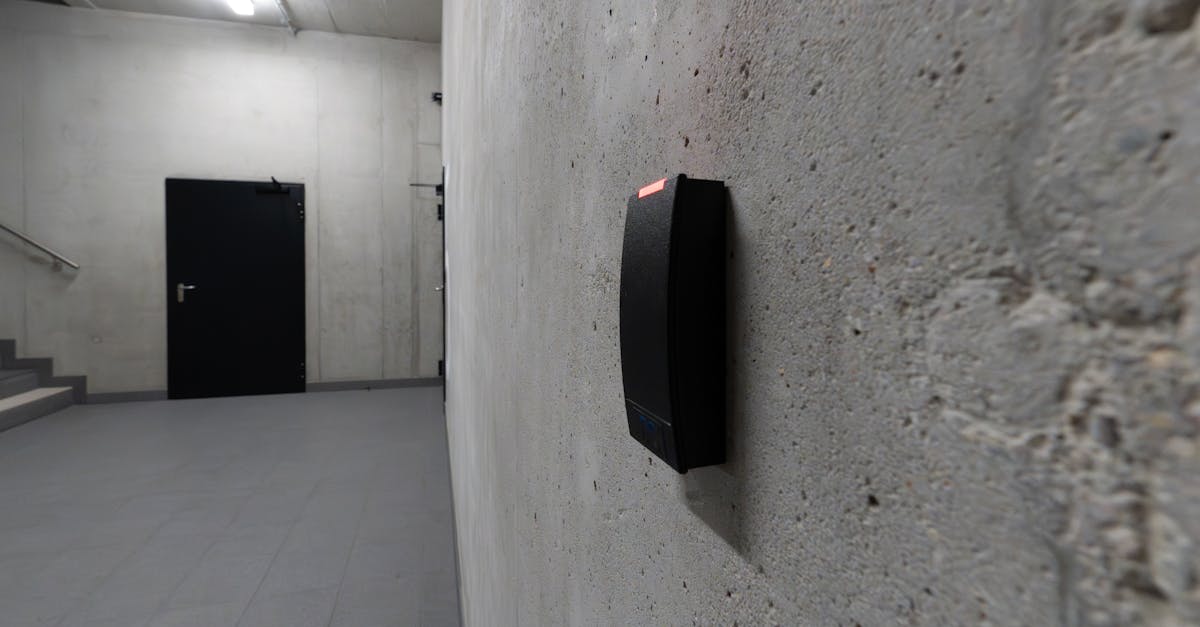
The Rise of Remote Access Control Systems
With the shift towards remote work and digital collaboration, remote access control systems have become essential for organizations to maintain security and efficiency. These systems enable users to access and manage resources from anywhere, ensuring that sensitive information remains protected. In recent years, technological advancements such as AI and machine learning have begun to enhance these systems, offering smarter authentication methods and improved monitoring capabilities. As businesses increasingly adopt hybrid work models, the demand for seamless remote access solutions will continue to grow, paving the way for innovative applications that cater to diverse needs.
Key Features of Future Remote Access Control Solutions
Future remote access control systems will likely incorporate several key features designed to enhance user experience and security. One of the most exciting advancements is the integration of biometric authentication, such as fingerprint or facial recognition technology, providing a higher level of security compared to traditional password systems. Additionally, the use of cloud-based solutions will allow for more scalable and flexible access management, enabling organizations to adapt quickly to changing needs. Furthermore, incorporating AI-driven analytics will allow these systems to predict vulnerabilities and automate responses, significantly increasing overall security posture.
Challenges and Considerations in Implementing Remote Access Solutions
While the benefits of remote access control systems are clear, organizations must also navigate several challenges during implementation. Data privacy and compliance with regulations like GDPR are paramount, as improper handling of sensitive information can lead to costly fines and loss of reputation. Moreover, the security of the network infrastructure must be fortified to prevent unauthorized access. Organizations should conduct thorough audits of their existing systems and processes to identify potential vulnerabilities. Furthermore, employee training and adoption strategies are critical, ensuring that all team members understand how to use these systems effectively while recognizing potential security threats.
Conclusion: Embracing the Future of Remote Access Control
The future of remote access control systems holds great promise for enhancing efficiency and security across various sectors. By recognizing the evolving trends and addressing the challenges associated with implementation, organizations can unlock the full potential of these innovative solutions. As technology continues to advance, it is crucial for businesses to stay informed and adapt, ensuring they remain competitive in this ever-changing landscape.
Published on .
Share now!