Published on:
10 min read
Used Gym Equipment: Smart Buying Guide for Best Value
Buying used gym equipment can cut your fitness setup cost by 30% to 70%, but the best deals are rarely the cheapest listings. The real value comes from knowing which machines age well, which brands hold up under commercial use, how to inspect wear points, and when a “bargain” will become an expensive repair project. This guide walks through the practical side of buying secondhand treadmills, racks, benches, bikes, dumbbells, and cable machines with the mindset of a careful investor, not an impulsive shopper. You’ll learn how to evaluate condition, compare residential versus commercial equipment, estimate fair pricing, negotiate confidently, and avoid common traps like hidden motor wear, upholstery failure, rust damage, and missing parts. Whether you are building a garage gym, upgrading a personal training studio, or replacing a few key pieces at home, this article gives you a realistic framework for getting durable equipment at the best possible value.
- •Why Used Gym Equipment Can Be a Better Investment Than New
- •What to Buy Used First and What to Approach Carefully
- •How to Inspect Used Equipment Before You Pay
- •What Fair Pricing Looks Like in the Real Market
- •Where to Find Deals and How to Negotiate Without Wasting Time
- •Hidden Costs, Red Flags, and the Mistakes That Kill Value
- •Key Takeaways and a Practical Buying Plan
- •Conclusion
Why Used Gym Equipment Can Be a Better Investment Than New
Used gym equipment appeals to buyers for one obvious reason: price. But the bigger advantage is value retention. New cardio machines and strength systems often lose a significant share of their resale value in the first one to three years, much like cars. A treadmill that retails for $2,500 may appear on the secondary market for $1,200 to $1,600, while commercial benches that sell new for $700 can often be found in solid condition for $300 to $450. For buyers building a garage gym on a budget of $2,000 to $4,000, that difference can mean the ability to buy a full setup instead of only one or two pieces.
What many shoppers miss is that used equipment is not one market. There is a major gap between lightly used home gear, off-lease commercial equipment, and neglected machines sold cheaply because they need work. Commercial-grade products from brands such as Life Fitness, Precor, Hammer Strength, Rogue, and Matrix often cost more upfront, even secondhand, but they are built for higher usage cycles and usually age better than entry-level residential units.
The tradeoff is not always simple.
- Pros: lower acquisition cost, slower depreciation, access to premium brands, better value per workout
- Cons: limited warranty, possible hidden wear, transportation challenges, potential part availability issues
What to Buy Used First and What to Approach Carefully
Not every type of gym equipment is equally safe or economical to buy secondhand. Some categories are excellent used purchases because they have few moving parts and low failure risk. Others can become repair-heavy quickly, especially if they contain electronics, motors, or proprietary components. If your goal is best value, prioritize durable basics before chasing feature-rich machines.
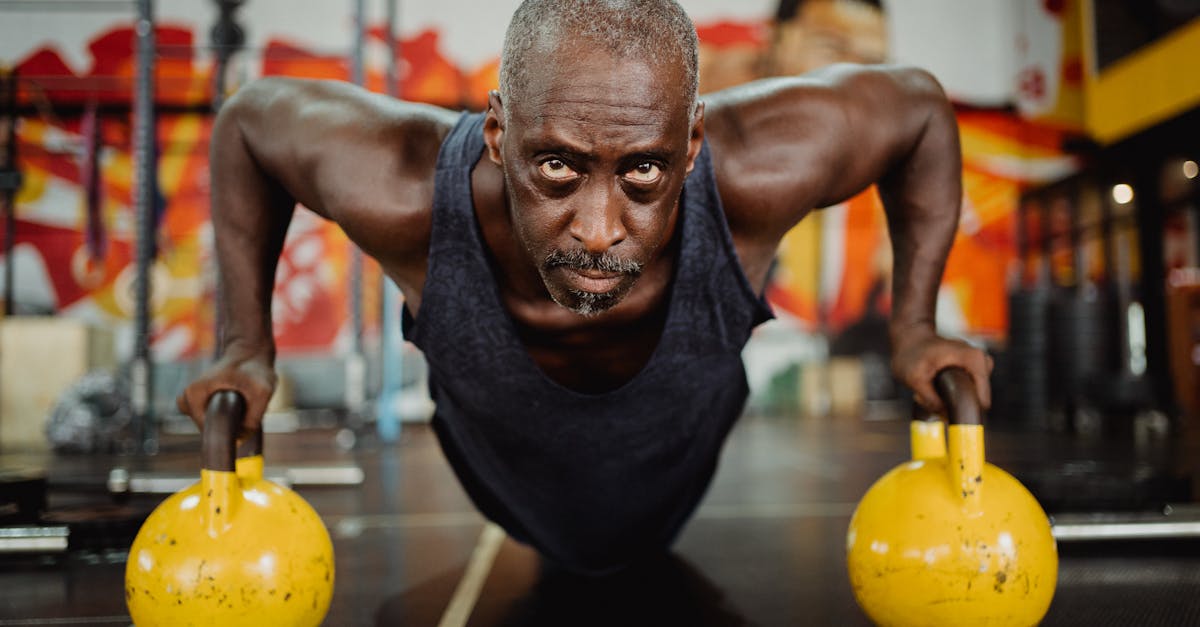
The safest used buys are usually power racks, squat stands, plate-loaded machines, barbells from reputable brands, bumper or iron plates, adjustable benches, kettlebells, dumbbells, sleds, and pull-up stations. These items are relatively easy to inspect. A rack is either structurally sound or it is not. A plate is either cracked or intact. A bench pad can be reupholstered if needed, often for far less than replacing the entire unit.
Cardio equipment requires more caution. Treadmills, ellipticals, and rowers can still be smart buys, but only if you can verify maintenance history, usage hours, and current performance. A lightly used Concept2 RowErg is often a strong secondhand purchase because replacement parts are widely available and the brand supports older machines. In contrast, a cheap treadmill with a worn deck or struggling motor can become a money pit.
Use this rule of thumb.
- Best used value: racks, free weights, benches, plate-loaded strength equipment
- Good with inspection: air bikes, rowers, selectorized machines, spin bikes
- Highest risk: folding treadmills, smart bikes with locked ecosystems, older ellipticals with discontinued parts
How to Inspect Used Equipment Before You Pay
Inspection is where good deals are won or lost. Photos can hide rust, frame twists, cracked welds, dead screens, or loud bearings. Ideally, you should test equipment in person and spend at least 10 to 15 minutes on any cardio machine. For strength equipment, do a full hands-on check rather than a quick glance.
Start with the frame. Look for rust around welds, feet, hardware, and adjustment holes. Surface rust is manageable, but deep corrosion, bent steel, or uneven footing suggests structural issues. On benches and racks, check pad firmness, ladder or pop-pin adjustments, and side-to-side stability. With barbells, roll the shaft on a flat floor to detect bending, inspect sleeve spin, and look for excessive oxidation around the collars.
For selectorized machines and cable systems, test every station. Cables should move smoothly without fraying, pulleys should not grind, and weight stacks should rise evenly. Missing guide rod bushings or cracked pulleys are common on heavily used commercial units. On treadmills, listen for belt slippage, surging speed, or unusual motor noise. Many higher-end treadmills display total hours or mileage in a diagnostics menu; if a seller cannot show this, treat the machine more cautiously.
Bring a checklist.
- Frame integrity and weld condition
- Hardware completeness
- Smooth adjustments and locking mechanisms
- Belt, cable, chain, and pulley wear
- Electronics, screen, resistance, and incline functions
- Noise under load
What Fair Pricing Looks Like in the Real Market
Pricing used gym equipment is part research, part local market knowledge. Asking prices on marketplace apps are often optimistic, especially in January when fitness demand spikes. Actual sale prices tend to be lower. A practical benchmark is to start around 40% to 60% of current retail for good residential gear in solid condition, and 50% to 70% for proven commercial equipment from respected brands. Exceptional demand items, such as calibrated plates, Rogue racks, or Concept2 rowers, often hold value better and may sell for 70% to 85% of retail if condition is excellent.
Geography also matters. In large metro areas, supply is usually higher because more studios, apartment gyms, and home owners cycle equipment in and out. In smaller towns, fewer listings can keep prices high. Shipping costs distort value too. A $250 bench may stop being a deal if you must rent a trailer and drive four hours each way.
Here is a realistic comparison of common categories buyers shop most often.
| Equipment Type | Typical New Price | Reasonable Used Range | Best Value Signal |
|---|---|---|---|
| Flat or adjustable bench | $250 to $700 | $120 to $450 | Tight frame, solid pad, reputable brand |
| Power rack | $400 to $1,500 | $250 to $900 | No wobble, complete safeties and hardware |
| Barbell | $200 to $500 | $100 to $300 | Straight shaft, smooth sleeves, low rust |
| Concept2 rower | $990 to $1,400 | $650 to $1,050 | PM monitor works, smooth pull, maintained chain |
| Treadmill | $1,000 to $3,500 | $300 to $1,800 | Low hours, quiet motor, incline works |
Where to Find Deals and How to Negotiate Without Wasting Time
The best deals rarely come from typing “gym equipment” into one marketplace and hoping for luck. Smart buyers cast a wider net. Facebook Marketplace remains one of the strongest local channels because sellers want quick pickup. Craigslist still produces occasional bargains, especially from older sellers less focused on maximizing price. Commercial resellers, gym liquidators, hotel renovation auctions, school surplus sales, and local fitness equipment technicians can be gold mines for higher-end pieces.
Timing matters more than most people realize. January and early summer usually bring more buyers, which pushes prices up. Better buying windows are often late spring, early fall, and holiday periods when sellers want space or cash. Real-world example: a closing boutique studio may list 12 spin bikes at $800 each, but after two weeks, accept $550 to $600 per bike if one buyer takes several at once.
Negotiation works best when it is specific and respectful. Do not send vague lowball messages. Instead, mention comparable listings, visible wear, transport costs, or missing accessories. Sellers respond better to offers that sound informed.
A simple negotiation formula works well.
- Confirm condition and any defects first
- Reference market comps in your area
- Make a clear cash or same-day pickup offer
- Ask for extras such as mats, collars, or plates if the price is firm
Hidden Costs, Red Flags, and the Mistakes That Kill Value
A used gym equipment deal should be evaluated like a mini project, not a simple purchase. The advertised price is only one part of the total cost. You may also need a truck rental, stair-moving help, replacement hardware, lubricant, new cables, fresh upholstery, rubber flooring, or a dedicated power outlet for cardio equipment. A treadmill bought for $600 can quickly become a $1,050 expense after transport, a new belt, and a service call.
The biggest value-killers are usually avoidable. One common mistake is buying based on appearance alone. Fresh paint can hide structural wear. Another is ignoring dimensions. A commercial functional trainer may fit your floor footprint but fail to clear an 86-inch basement ceiling. Buyers also underestimate electrical requirements, especially with older treadmills and larger cardio units that perform best on dedicated circuits.
Watch closely for these red flags.
- Seller refuses testing or says “worked last time I used it” without proof
- Serial number plate is missing or damaged
- Important attachments, safeties, or selector pins are absent
- Rust appears around welds, cables, or load-bearing points
- Electronics power on but key functions fail under load
- Brand has poor parts support or is no longer in business
Key Takeaways and a Practical Buying Plan
If you want the best value from used gym equipment, build your plan in layers. First, decide what training you will actually do three times a week, not what looks impressive in photos. For most home users, a rack, bench, barbell, plates, and one cardio piece create more long-term utility than buying three complicated machines. Second, set two budgets: purchase budget and fix-up budget. A smart split is to keep 10% to 20% in reserve for accessories, replacement parts, and transport.
Use a simple buying sequence.
1. Start with durable essentials such as a rack, bench, and plates.
2. Add a cardio machine only after confirming serviceability and usage history.
3. Prioritize brands with easy parts access and strong resale demand.
4. Inspect in person whenever possible and test under load.
5. Compare local listings for at least one week before committing.
Here is a quick decision guide to help separate true value from expensive clutter.
| Question | Good Sign | Bad Sign |
|---|---|---|
| Can you test it fully? | Seller allows full demo and answers specifics | Seller avoids testing or rushes the sale |
| Is the brand supported? | Parts and manuals are easy to find | Discontinued brand with limited service options |
| Will it fit your space and training goals? | Matches your routine and dimensions | Bought only because the price seems low |
| Could you resell it later? | Recognizable brand and stable demand | Niche machine with weak local interest |
Conclusion
Used gym equipment is one of the few categories where patient buyers can get genuinely premium value without paying premium prices. The winning approach is simple: buy durable categories first, inspect carefully, verify parts support, and judge every listing by total ownership cost rather than headline savings. A secondhand commercial bench, rack, or rower in good condition will often outperform a brand-new budget model and hold its value better if you ever resell it. Before you buy anything this week, make a shortlist of must-have equipment, measure your space, research retail pricing, and save local comps. Then contact sellers with specific questions and a clear pickup plan. That process alone will put you ahead of most buyers and help you land equipment that is cheaper, sturdier, and far more satisfying to use.
Published on .
Share now!
WB
William Brooks
Author
The information on this site is of a general nature only and is not intended to address the specific circumstances of any particular individual or entity. It is not intended or implied to be a substitute for professional advice.