Published on:
10 min read
Weight Loss Tools Compared: 7 Best Options That Work
Most weight loss advice fails because it focuses on motivation instead of systems. The right tool can reduce guesswork, make progress measurable, and help you stick with a calorie deficit long enough to see real results. In this guide, you’ll find a practical comparison of seven weight loss tools that people actually use in the real world, from food-tracking apps and smart scales to meal delivery services, wearables, and walking pads. Rather than treating every tool as equally useful, this article explains where each one shines, where it falls short, and what kind of person is most likely to benefit. You’ll also get realistic cost ranges, behavior-change insights, and examples of how these tools fit into busy schedules, emotional eating patterns, and inconsistent exercise habits so you can choose a setup you’ll genuinely keep using.
- •Why weight loss tools matter more than willpower
- •The 7 best weight loss tools compared at a glance
- •Best low-cost tools: calorie apps, food scales, and smart scales
- •Best tools for movement: fitness wearables and walking pads
- •Best convenience and accountability tools: meal delivery and coaching apps
- •How to choose the right tool for your goal, budget, and personality
- •Key takeaways and practical tips to make any tool work
- •Conclusion
Why weight loss tools matter more than willpower
Weight loss is rarely a knowledge problem. Most people already know they should eat fewer ultra-processed foods, move more, and stay consistent. The problem is execution in a messy real life: restaurant meals with unknown calories, stressful workdays, poor sleep, and a brain that rewards convenience. That is exactly where good tools outperform vague intentions. They create friction around overeating, reduce decision fatigue, and make progress visible when the mirror feels unreliable.
Research consistently shows that self-monitoring is one of the strongest predictors of successful weight loss. In practice, that means people who track food intake, body weight, or activity tend to lose more weight and maintain it better than people who rely on memory. A smart scale cannot burn calories for you, and an app cannot stop emotional eating, but both can reveal patterns fast. For example, someone who thinks they are eating 1,800 calories may discover that weekend meals push the average above 2,400.
The best tool is not the most advanced one. It is the one you will use on your worst Tuesday, not your most motivated Monday.
Pros of using weight loss tools:
- They turn vague habits into measurable behaviors
- They help spot plateaus before frustration builds
- They reduce the mental load of planning and tracking
- Some tools create obsession instead of awareness
- Subscription costs can add up quickly
- Too many tools at once can become a distraction
The 7 best weight loss tools compared at a glance
These seven tools were chosen because they solve different parts of the weight loss equation rather than duplicating the same benefit. If your biggest issue is portion creep, a food scale or calorie app will likely help more than an expensive smartwatch. If your schedule is chaotic, meal delivery may outperform every other option because it removes the nightly “what should I eat” battle that often ends in takeout.
The key is to buy for the problem, not for the promise. A person walking 3,000 steps a day can see meaningful change with a simple step tracker and prepped lunches. Another person who already trains four times a week may need better calorie awareness and weekly weigh-ins to finally break a plateau. Most successful setups use two or three tools together, not all seven.
A practical pairing might look like this:
- Beginner: calorie app plus digital food scale
- Busy professional: meal delivery plus smart scale
- Data-driven exerciser: wearable plus calorie app plus scale
- Low-motivation home worker: walking pad plus step tracker
| Tool | Typical Cost | Best For | Main Drawback |
|---|---|---|---|
| Calorie-tracking app | $0 to $20 per month | Building awareness of intake | Can feel tedious |
| Digital food scale | $10 to $30 one-time | Portion accuracy at home | Less useful for restaurant meals |
| Smart scale | $25 to $100 one-time | Tracking trends over time | Daily fluctuations can be discouraging |
| Fitness wearable | $50 to $300 one-time | Step count and activity awareness | Calories burned estimates are imperfect |
| Meal delivery service | $8 to $14 per meal | Reducing decision fatigue | Higher ongoing cost |
| Walking pad | $180 to $500 one-time | Increasing low-intensity movement | Needs space and routine |
| Habit coaching app or program | $15 to $80 per month | Accountability and behavior change | Quality varies widely |
Best low-cost tools: calorie apps, food scales, and smart scales
If you want the highest return on the lowest spend, start here. A calorie-tracking app, a digital food scale, and a smart scale together often cost less than one month of a premium meal plan, yet they address the three biggest blind spots in weight loss: how much you eat, how much you think you eat, and whether your weekly trend is actually moving.
A calorie app such as MyFitnessPal, Cronometer, or Lose It helps reveal where calories hide. Common surprise areas include coffee drinks, cooking oils, nuts, and “healthy” snacks. Cronometer is especially strong if you also care about fiber and protein, while Lose It tends to feel simpler for beginners. A digital food scale matters because eyeballing portions is wildly unreliable. Studies on portion estimation repeatedly show that people undercount calorie-dense foods, sometimes by hundreds of calories per day.
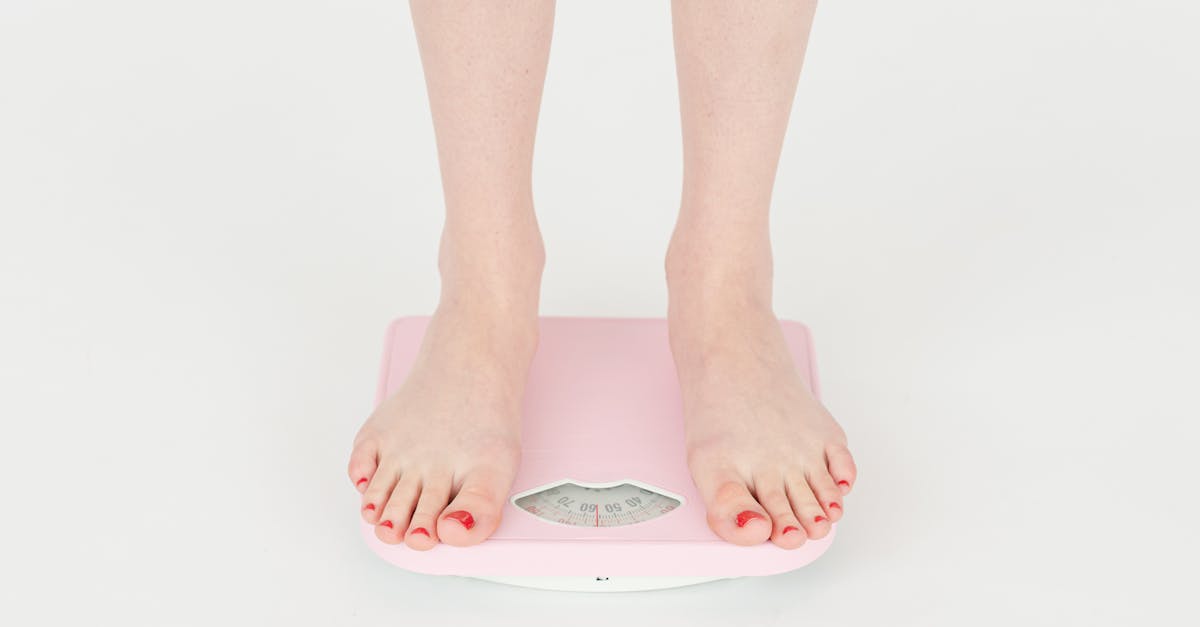
Smart scales add perspective. Weight fluctuates from sodium, menstrual cycle changes, stress, and glycogen stores, so daily numbers matter less than the 7 to 14 day trend. Someone who is down only 0.4 pounds on the week may actually be doing everything right if waist measurements and adherence are improving.
Pros:
- Inexpensive relative to most fitness gear
- Gives fast feedback on what is and is not working
- Excellent for breaking through “I barely eat” confusion
- Logging every meal can become mentally tiring
- Food databases are not always perfectly accurate
- Scale readings can trigger anxiety in some users
Best tools for movement: fitness wearables and walking pads
Exercise matters for health, but for weight loss specifically, daily movement is often more important than punishing workouts. That is why fitness wearables and walking pads have become such useful tools. Wearables make inactivity visible. A walking pad makes movement convenient enough to happen during a workday instead of after it, when energy is lowest.
A basic wearable from Fitbit, Garmin, or Apple can track steps, heart rate, workouts, and sleep. The most practical metric for many adults is step count. If you currently average 3,500 steps, pushing that to 7,000 can materially increase daily energy expenditure without triggering the hunger spikes some people get from intense cardio. In one real-world scenario, an office worker who adds three 12-minute walks and a 20-minute evening stroll can move from sedentary to consistently active without joining a gym.
Walking pads are especially useful for remote workers. At 1.5 to 2 miles per hour, many people can answer emails, watch training videos, or take low-stakes calls while walking. Even an extra 4,000 steps per day can add up significantly over weeks, particularly when paired with modest calorie control.
Pros:
- Builds activity without requiring athlete-level motivation
- Helps break up long sitting periods linked to poorer metabolic health
- Easy to measure progress through steps and time
- Wearable calorie-burn numbers are estimates, not exact truths
- Walking pads can become expensive clothes racks if not scheduled
- More movement does not cancel out chronic overeating
Best convenience and accountability tools: meal delivery and coaching apps
Some people do not need better nutrition knowledge. They need fewer chances to make a bad decision when tired, stressed, or busy. That is where meal delivery services and habit-based coaching apps can outperform more technical tools. They remove friction and add accountability, two factors that matter enormously when motivation dips.
Meal delivery works best for people who lose evenings to indecision and end up ordering calorie-dense takeout. A pre-portioned meal in the 400 to 700 calorie range can quietly create the calorie deficit that cooking from scratch never does because portions stay controlled. Services vary widely. Some focus on high protein and lower calories, while others are simply convenient. The best use case is replacing your riskiest meal of the day, not outsourcing every bite indefinitely.
Coaching apps and behavior programs help with the human side of weight loss: planning, reflection, and consistency. Good programs prompt you to log habits, set weekly targets, and review obstacles. The strongest ones teach strategies like stimulus control, protein prioritization, and implementation intentions, such as deciding in advance what you will eat at a restaurant.
Pros:
- Reduces decision fatigue and impulsive eating
- Useful for professionals, parents, and shift workers
- Accountability improves follow-through for many users
- Meal services can cost much more than grocery meal prep
- Some coaching apps offer shallow advice behind a premium paywall
- Convenience can become dependence if no long-term habits are built
How to choose the right tool for your goal, budget, and personality
The wrong tool can make a good plan feel impossible. The right one makes adherence feel almost automatic. Start by identifying your primary failure point over the last three months. If your weight has not changed, ask what repeatedly breaks down: portion control, weekend overeating, missed workouts, takeout, late-night snacking, or all-or-nothing thinking.
Use this simple filter. If you say, “I have no idea how much I am eating,” choose a calorie app and food scale. If you say, “I know what to do, but I never do it after work,” prioritize meal delivery or coaching. If you say, “I sit all day and barely move,” a wearable or walking pad will likely deliver more benefit than another nutrition ebook.
Budget matters too. Under $50, the strongest setup is usually a food scale plus a free tracking app. Between $50 and $150, add a smart scale or entry-level wearable. Above that, spend only if convenience or accountability is your real bottleneck.
A useful rule of thumb:
- Buy data tools if you need awareness
- Buy convenience tools if you need consistency
- Buy accountability tools if you need follow-through
Key takeaways and practical tips to make any tool work
Most weight loss tools fail for the same reason gym memberships fail: people ask them to create commitment instead of support it. To get real value, keep your system small, measurable, and tied to one specific behavior. Start with one nutrition tool and one activity or accountability tool. That is usually enough to change outcomes without creating tracking fatigue.
Here are the most practical ways to use these tools well:
- Weigh yourself 3 to 7 times per week and watch the trend, not single-day spikes
- Track food for at least two normal weeks before deciding your metabolism is “broken”
- Use a food scale mainly for calorie-dense items such as peanut butter, cereal, rice, pasta, oils, and snacks
- Set a step floor, not just a step goal; for example, never go below 6,000 even on busy days
- If using meal delivery, replace your highest-risk meal first rather than paying for every meal
- Review your data weekly and make only one adjustment at a time, such as reducing liquid calories or adding 2,000 steps
Conclusion
If you want weight loss tools that genuinely work, stop looking for the most impressive gadget and start looking for the tool that solves your biggest sticking point. For most people, the best starting stack is simple: a calorie-tracking app, a food scale, and a smart scale or step tracker. From there, add convenience tools like meal delivery or a walking pad only if your routine truly needs them. The goal is not to build a perfect system. It is to make a calorie deficit easier to maintain in real life, on busy days and stressful weeks. Pick one nutrition tool and one behavior tool this week, use them consistently for 14 days, and review the trend honestly. Small, repeatable changes beat expensive intentions every time.
Published on .
Share now!
AS
Avery Stevens
Author
The information on this site is of a general nature only and is not intended to address the specific circumstances of any particular individual or entity. It is not intended or implied to be a substitute for professional advice.