Published on:
5 min read
By Lily Morgan · Home Decor Contributor
8 Unexpected Places to Add Plants for a More Lively Home
I discovered that adding plants to overlooked spots in my home not only brought a fresh and vibrant feel but also added charm and character to each room.

Breathing Life into Overlooked Spaces
We all know plants can instantly uplift any room, but I often found myself sticking to the usual spots—window sills, living room corners. It wasn't until a rainy weekend, when I had the time to play around with my decor, that I began to experiment. Instead of focusing on the expected, I turned my attention to those oft-overlooked nooks. What I found was nothing short of transformative. In this article, I'll walk you through eight unexpected places where I added plants, and how you can do the same to breathe new life into your home. These placements not only maximize space but also introduce a sense of organic beauty to areas often left bare.
Adding Greenery to the Bathroom
A rarely considered spot, my bathroom was the first place I tried adding plants. I picked up a small fern for $8, which loves the humidity. Placing it on a shelf near the shower, I noticed an instant change in the atmosphere. The greenery softened the harsh lines of the tiles and made my morning routine feel a bit more like a spa retreat. To keep it thriving, I used a moisture meter, which was a $12 investment, to avoid overwatering—a mistake I made with a previous bathroom plant. The fern only requires watering every 10-14 days, making it a low-maintenance addition that even thrives under the low light. Additionally, I experimented with a peace lily, which added an elegant touch with its beautiful white blooms, though it did need a bit more light and slightly more frequent watering. The humidity from hot showers keeps the air moist, perfect for these types of plants.
Revitalizing the Kitchen Countertop
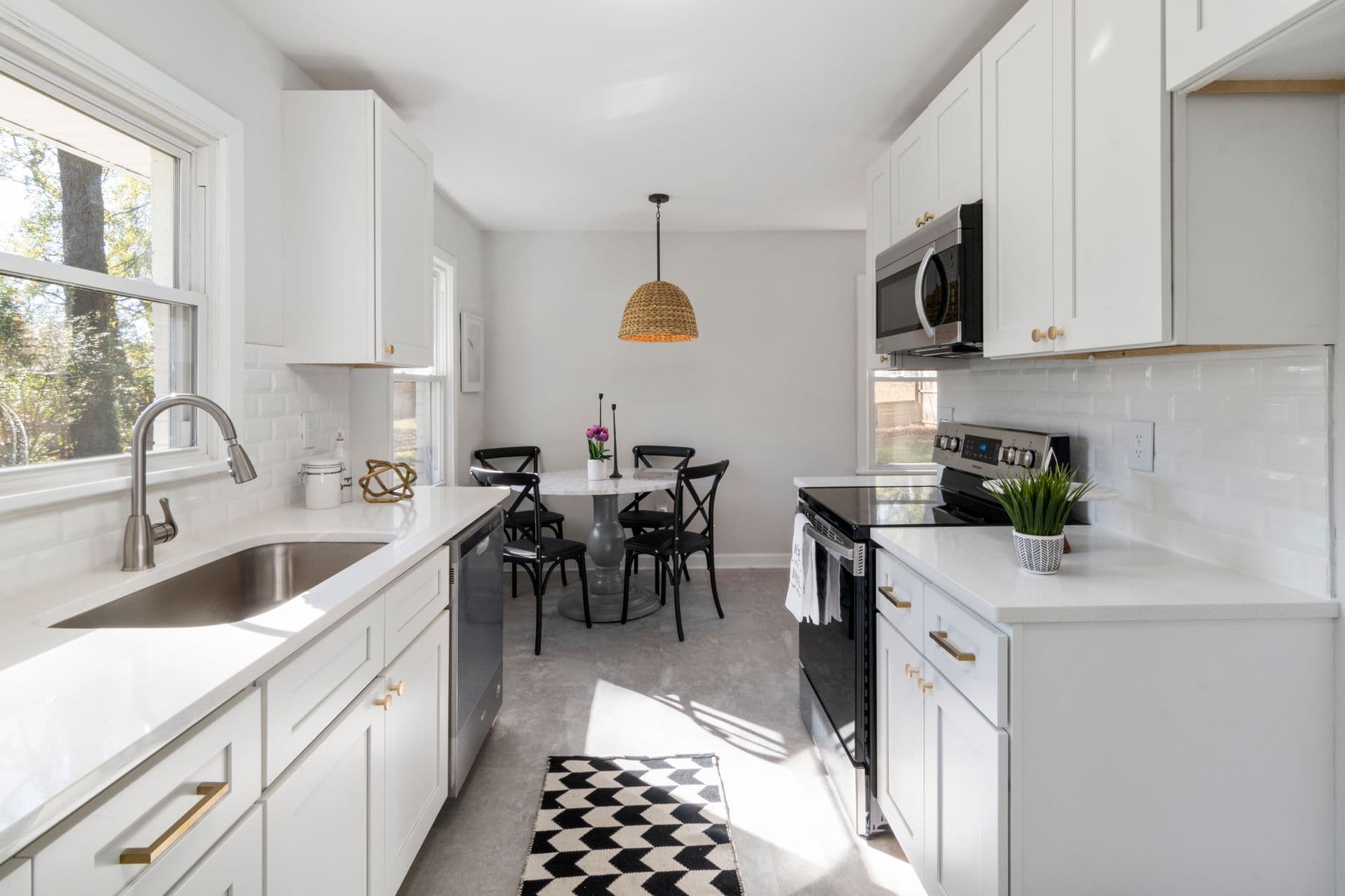
Kitchens are bustling places, and initially, I was hesitant to add plants where spills and splatters are common. However, a $15 pothos plant hanging from a macrame holder added just the right touch of nature. This leafy green loves indirect sunlight, and I've found it grows brilliantly above my kitchen sink. It adds a pop of color against the starkness of white cabinets. Every month, I gently wipe the leaves with a damp cloth to remove any grease or dust—a simple task that keeps the plant healthy and vibrant. I also placed a small aloe vera plant on my kitchen windowsill. Besides being a handy source of aloe for minor burns, it thrives with just a little water and sunlight, making it perfect for a busy kitchen environment. These plants create a natural, fresh feeling that complements the kitchen's functionality.
Comparing Plant Choices for Dark Corners
Finding the right plant for low-light areas can be tricky. Over time, I've tried different plants in my dimly lit hallway, and here's how three popular houseplants fared. Through personal experience, I've learned that while some plants can survive with minimal care, others require a bit more attention to thrive in these conditions.
For example, the Snake Plant is incredibly forgiving and seems to thrive on neglect, needing water as infrequently as every few weeks. The ZZ Plant is similarly low-maintenance, with its thick, waxy leaves holding moisture well so it can go without water for a month. On the other hand, the Peace Lily, while more demanding in terms of light and water, rewards you with beautiful blooms.
| Plant | Care Level | Ideal Conditions |
|---|---|---|
| Snake Plant | Low | Low light, sparse watering |
| ZZ Plant | Very Low | Adaptable to low light, drought-tolerant |
| Peace Lily | Medium | Bright, indirect light, regular watering |
Step-by-Step: Creating a Living Entryway
Transforming my entryway with plants was straightforward and rewarding. Here's how I did it:
- Measured the space above my entryway bench: 4 feet wide
- Purchased two hanging planters and ivy plants for $30 total
- Installed hooks securely into the ceiling, 18 inches apart
- Planted the ivy and watered thoroughly
- Routine: I've set a reminder to water every 7 days
Common Questions About Unconventional Plant Placement
Q: Can any plant thrive in a bathroom?
No, not all plants do well in bathrooms. Opt for humidity-loving plants like ferns and bamboo. Avoid succulents as they don't thrive in high humidity.
Q: How do I prevent kitchen plants from getting greasy?
Regularly wipe the leaves with a damp cloth and place them away from the stove area. Consider hanging plants as they are less likely to accumulate grease.
Q: What's a good plant for a dark hallway?
The Snake Plant and ZZ Plant are excellent choices for low-light conditions. Both are hardy and require minimal care.
Q: How often should I water plants in low light?
Typically, plants in low-light areas need less frequent watering. However, always check the soil moisture to avoid overwatering. A moisture meter can be a valuable tool to help with this.
EditorialOur Take
I've found that incorporating plants into unexpected places has made my home feel more vibrant and inviting. It's a personal touch that doesn't require a green thumb, just a bit of creativity and attention. For anyone feeling that their home lacks character or warmth, these small additions can make a big difference. However, if you're not ready to commit to plant care, consider starting with one or two low-maintenance options before expanding your indoor garden. It's worth noting that while some plants may require initial investment, the joy and aesthetic improvement they bring are well worth it. Whether you're an experienced plant parent or a newbie, there's room for a bit of nature in every corner of your home.
Published on .
Share now!

Lily Morgan
Home Decor Contributor
Lily Morgan covers home decor for Annyblog with a budget-friendly, renter-aware eye. She loves small changes that make a space feel intentional without a renovation. Lily writes about decorating you can actually undo when the lease ends. Lily uses AI tools to research, draft, and help keep these articles accurate.
More from Lily →The information on this site is of a general nature only and is not intended to address the specific circumstances of any particular individual or entity. It is not intended or implied to be a substitute for professional advice.
Get our best tips in your inbox
A short, practical email now and then. No spam, and you can unsubscribe anytime.