Published on:
5 min read
By Chloe Adams · Seasonal Living Contributor
8 Ways to Store Winter Gear for Minimal Clutter
I used to dread the yearly shuffle of winter gear, but these eight techniques have transformed my storage game. From vacuum bags to creative shelving, here's how I keep everything tidy without sacrificing warmth.
The Winter Gear Dilemma
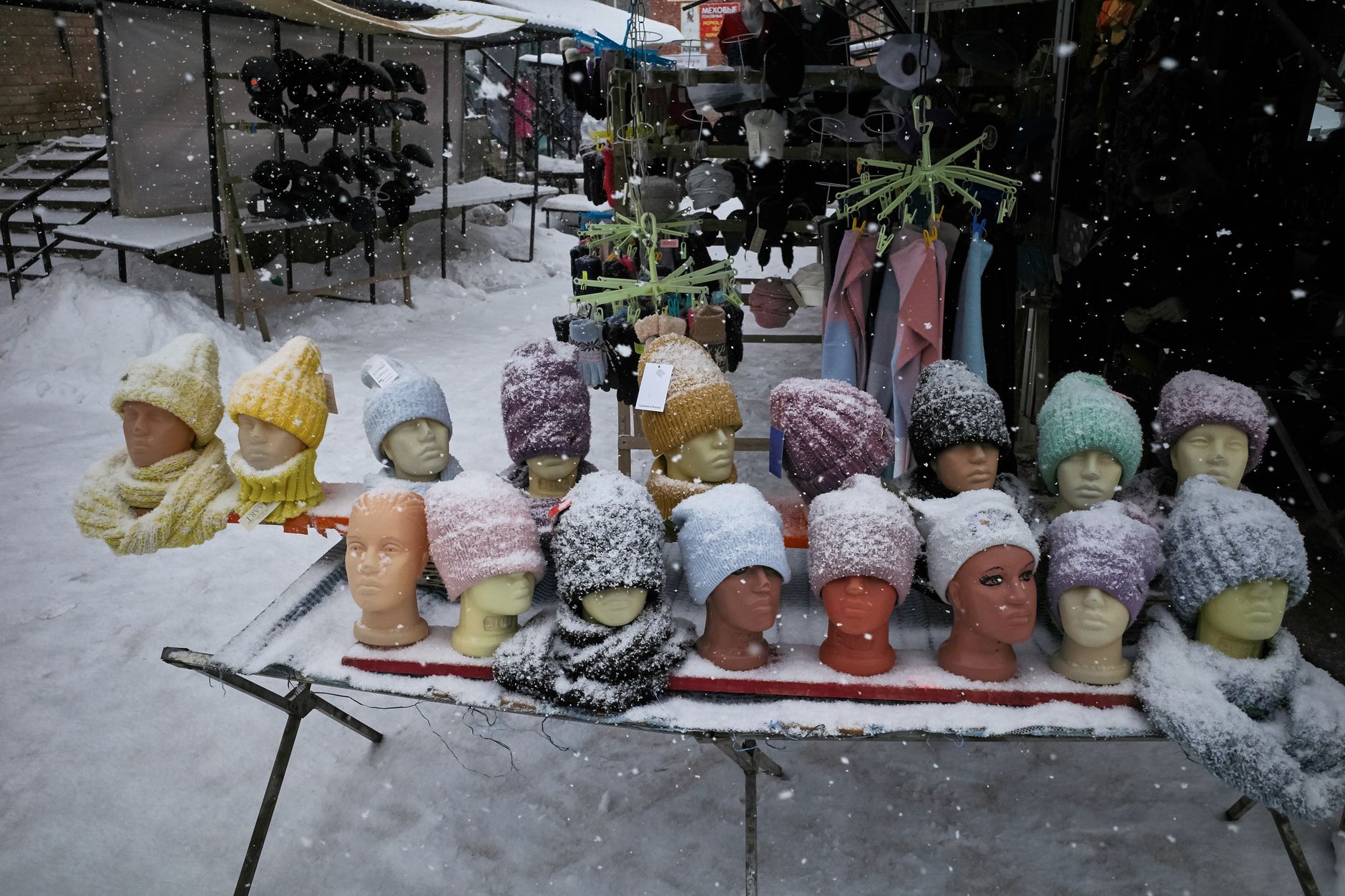
Every year as the first snowflakes fall, I find myself buried in a pile of winter gear—coats, boots, hats, and more. Living in a cozy city apartment, I quickly learned that I needed a system that wouldn’t just make my home look less cluttered, but also make finding things easier. After a few frustrating seasons of trying different methods, I’ve finally nailed down eight practical techniques that really do the job. This article is all about sharing those tips, helping you free up space while ensuring your winter essentials are both accessible and organized. Whether you're dealing with a small closet or a larger mudroom, these methods can be adapted to fit your needs. Winter gear tends to be bulky, but with the right approach, you can navigate the season without feeling overwhelmed by stuff.
Vacuum Bags: My Space-Saving Saviors
The biggest game-changer in my winter gear storage routine has been vacuum bags. I first stumbled upon them at a friend's house, where she demonstrated how these bags could shrink bulky items down to a fraction of their size. I invested in a set of ten bags for around $25, and they’ve been worth every penny. I primarily use them for storing down jackets and extra blankets. The first time I tried using them, I made the mistake of overstuffing, so now I only fill each bag to about three-quarters full to ensure a good seal. With these bags, I’ve managed to free up an entire shelf in my closet. What was once a cluttered space now has room for other seasonal gear. I also found that they are perfect for storing off-season clothes when spring arrives. However, I suggest keeping a hand pump nearby for when you need to reseal them.

Shelving Solutions: What Worked and What Didn’t
I experimented with various shelving units before finding a solution that clicked. Initially, I went for wire shelving, thinking it would be versatile and easy to manage. However, my boots kept sliding off, and smaller items constantly fell through the gaps. I switched to solid wood shelves—a DIY project that cost me around $50 and a weekend of assembly. This setup has held up beautifully. Each family member now has a designated shelf for boots, making morning rushes far less chaotic. I also added small bins for gloves and hats, which has helped keep everything in one place. The bins I chose cost around $10 each, and these have been essential for corralling items that tend to scatter. I particularly like using clear bins because they allow me to see what's inside at a glance, saving time when searching for that elusive pair of mittens.
Comparing Storage Options
To decide on the best storage for your winter gear, it's important to compare the options based on space efficiency, cost, and ease of use. Here's a quick rundown:
Vacuum Bags5 rating
Wire Shelving3 rating
Solid Wood Shelves5 rating
Over-the-Door Hooks4 rating
Under-Bed Storage4 rating
| Storage Option | Space Efficiency | Cost |
|---|---|---|
| Vacuum Bags | High | $25 for a set of 10 |
| Wire Shelving | Medium | $30 |
| Solid Wood Shelves | High | $50 |
| Over-the-Door Hooks | Medium | $15 |
| Under-Bed Storage | High | $20 |
Step-by-Step: My Winter Gear Organizing Routine
To ensure everything has its place, I follow this routine each year:
- Start by sorting gear into categories: coats, boots, and accessories.
- Use vacuum bags for bulky items like jackets and blankets.
- Assign a shelf to each family member for boots and bins for smaller items.
- Label bins for easy identification, especially useful for gloves and hats.
- Store less frequently used items on higher shelves to keep them out of the way.
- Rotate gear seasonally, bringing only current items to the front.
- Reassess and declutter at the end of each winter; donate anything not worn.
Q&A: Common Winter Gear Storage Questions
Q: What about storing wet or damp gear?
Always dry your gear completely before storing to prevent mold and odors. I keep a boot tray by the entryway for wet items to dry before they go back into storage. A small portable heater nearby can speed up the drying process on especially wet days.
Q: How do you deal with limited closet space?
For limited spaces, vertical storage solutions like over-the-door racks can maximize your available room. Hooks are also great for hanging jackets. Additionally, utilizing under-bed storage can free up valuable closet space.
Q: Any tips for keeping track of all the small accessories?
I love using clear bins with labels. This makes it easy to see and access items without rummaging through multiple containers. Another tip is to use drawer organizers for smaller items like socks and earmuffs.
Q: How do you ensure the kids' gear stays organized?
Assigning each child their own bin and shelf helps a lot. Involving them in the process, like labeling their bins, makes them more likely to use the system properly. I also use a reward chart to encourage them to put things back in place.
EditorialOur Take
Storing winter gear doesn't have to be a nightmare of clutter and chaos. These techniques have truly transformed my approach, making my home feel more organized and functional. While vacuum bags and solid shelving have been my personal favorites, there's no one-size-fits-all solution. Ultimately, it comes down to understanding your space and lifestyle needs. If you're overwhelmed by the seasonal mess, start small by trying one or two methods. Trust me, you’ll find your groove, and the peace of mind is well worth the effort. These solutions aren't just about storage—they're about creating a home environment where everything has a place and life feels a bit more manageable. If you're someone who dreads the seasonal shift, these small changes can make a big difference. However, if you have ample storage and a love for winter chaos, perhaps these tips might seem unnecessary. For the rest of us, they're a sanity-saver.
Published on .
Share now!

Chloe Adams
Seasonal Living Contributor
Chloe Adams covers seasonal living for Annyblog, from spring resets to cozy winter routines. She likes marking the seasons at home in small, low-effort ways. Chloe writes about enjoying each season without turning it into a project. Chloe uses AI tools to research, draft, and help keep these articles accurate.
More from Chloe →The information on this site is of a general nature only and is not intended to address the specific circumstances of any particular individual or entity. It is not intended or implied to be a substitute for professional advice.
Get our best tips in your inbox
A short, practical email now and then. No spam, and you can unsubscribe anytime.