Published on:
10 min read
Botox Treatment Guide: Costs, Results, and Best Options
Botox is one of the most searched cosmetic treatments in the world, but most guides stop at generic promises about “smoother skin” and never explain what actually determines cost, how long results realistically last, or how to choose between providers and competing wrinkle relaxers. This guide breaks down the numbers that matter, including unit-based pricing, common treatment ranges, what first-time patients should expect at a consultation, and the practical tradeoffs between budget clinics, med spas, and board-certified specialists. You’ll also get a realistic look at results timelines, safety considerations, and who may be a good candidate for alternatives such as Dysport, Xeomin, or Daxxify. If you want a useful, decision-focused overview before booking an appointment, this article gives you the questions to ask, the red flags to avoid, and the smartest next steps.
- •What Botox Actually Does and Why It Remains So Popular
- •How Much Botox Costs: Unit Pricing, Typical Ranges, and What Changes the Bill
- •Results Timeline: When Botox Starts Working, How Long It Lasts, and What Affects Longevity
- •Choosing the Best Option: Botox vs Dysport, Xeomin, Daxxify, and Where You Get Treated
- •Safety, Side Effects, and Red Flags Most Patients Miss
- •Key Takeaways: Practical Tips to Get Better Botox Results and Better Value
- •Conclusion: How to Make Your Next Step a Smart One
What Botox Actually Does and Why It Remains So Popular
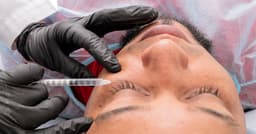
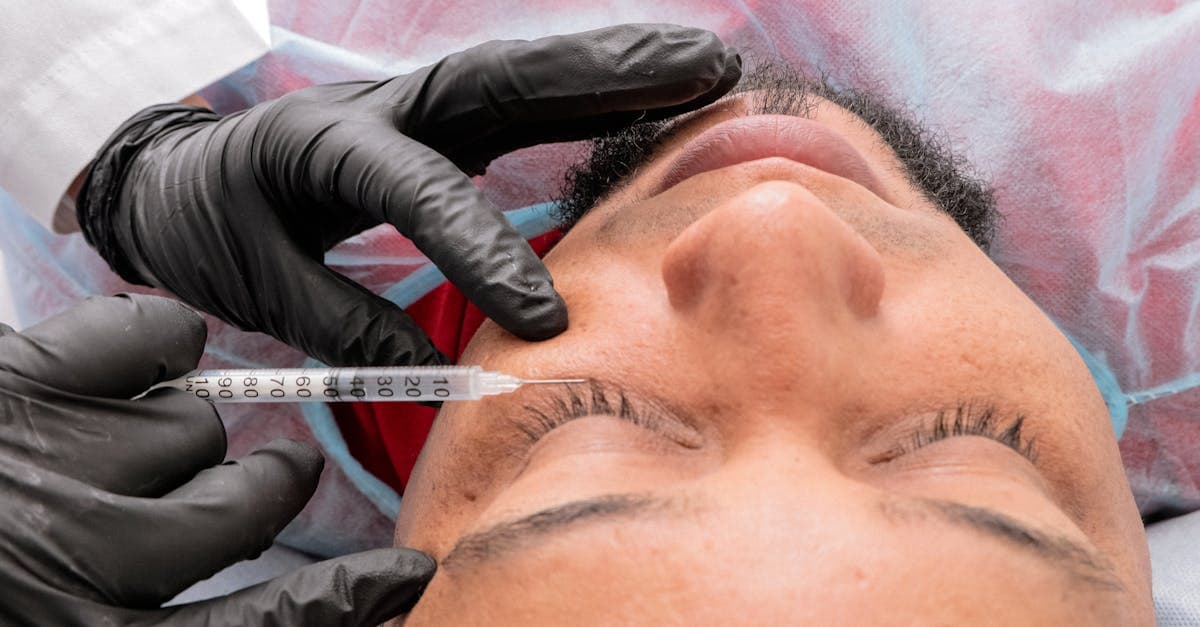
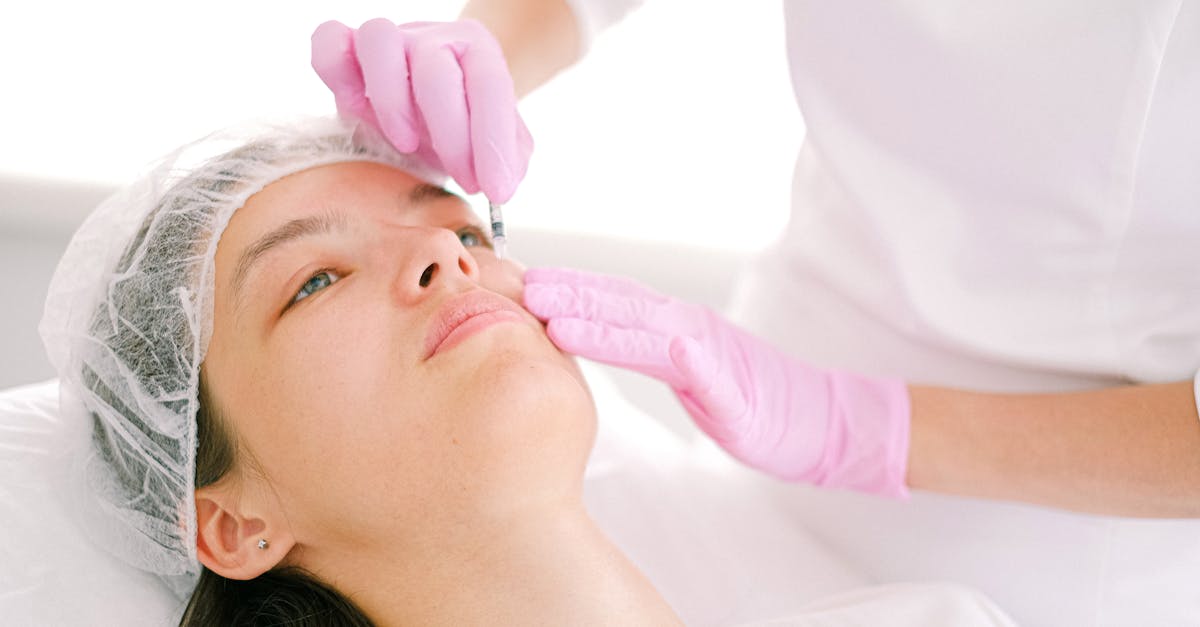
Botox is the brand name for a purified botulinum toxin type A injectable that temporarily relaxes targeted muscles. In cosmetic use, that matters because many visible facial lines are “dynamic wrinkles,” meaning they form from repeated movement over time. Think frown lines between the eyebrows, forehead creases, and crow’s feet from smiling. By reducing muscle activity in those spots, Botox softens existing lines and helps prevent deeper etched wrinkles from becoming more noticeable.
Its popularity is not anecdotal. According to the American Society of Plastic Surgeons, botulinum toxin procedures consistently rank among the most performed minimally invasive cosmetic treatments in the United States, with millions of injections administered each year. The reason is simple: treatment is fast, there is little downtime, and results are visible without surgery.
Still, Botox is not a one-size-fits-all fix. It works best for movement-related lines, not every skin concern. If someone has volume loss in the cheeks, sagging skin along the jawline, or sun-damaged texture, Botox alone will not fully address those issues. That is where people get disappointed, often because they expected one syringe or one appointment to solve several different problems.
Why this matters: understanding what Botox can and cannot do is the difference between a smart investment and an underwhelming one. The best candidates usually want subtle softening rather than a frozen look, are comfortable maintaining results every few months, and are choosing treatment for a specific concern instead of chasing a filtered-photo version of their face.
How Much Botox Costs: Unit Pricing, Typical Ranges, and What Changes the Bill
Botox is usually priced per unit, not per area, and that distinction matters more than most first-time patients realize. In the U.S., a common range is about 10 dollars to 20 dollars per unit, though premium urban markets can run higher. The manufacturer’s published wholesale cost does not equal your treatment price because provider expertise, overhead, location, and follow-up care all affect the final rate.
Typical cosmetic dosing often falls into ranges such as:
- Forehead lines: about 10 to 20 units
- Glabellar lines, often called the 11s: about 20 to 25 units
- Crow’s feet: about 6 to 15 units per side
- You can see exactly what you are paying for
- Dosing can be tailored to your anatomy and goals
- It reduces the chance of vague “forehead special” marketing
- Cheap advertised rates can hide underdosing
- It can be harder for first-timers to estimate total cost
- Comparing clinics requires asking better questions
Results Timeline: When Botox Starts Working, How Long It Lasts, and What Affects Longevity
Botox does not work instantly, and unrealistic expectations are one of the biggest reasons patients panic after treatment. Most people start noticing early changes within 3 to 5 days, but full results usually develop around day 10 to 14. If you have a wedding on Saturday, getting injected on Thursday is poor timing. A safer planning window is at least two weeks before a major event, and three to four weeks is even better for first-time patients who want time for a touch-up if needed.
For longevity, most cosmetic Botox results last about 3 to 4 months. Some patients metabolize it faster and see movement return around the 8 to 10 week mark, while others maintain softening for closer to 5 months. Several factors influence duration:
- Dose and injection technique
- Strength of the treated muscle
- Individual metabolism and exercise habits
- Whether lines are early and dynamic or already deeply etched
- Predictable onset for most patients
- Temporary effects, which lowers commitment risk
- Can look very natural when dosed well
- Maintenance is ongoing
- Results vary by muscle strength and anatomy
- Deep static lines may need combination treatment
Choosing the Best Option: Botox vs Dysport, Xeomin, Daxxify, and Where You Get Treated
Botox may be the most recognized name, but it is not the only neuromodulator on the market. Dysport, Xeomin, and Daxxify are all legitimate alternatives, and the “best” option depends on your muscle pattern, treatment history, budget, and how long you want results to last. Botox has the strongest brand familiarity and a long clinical track record. Dysport is often said to spread a bit more, which can be useful in larger areas but requires precise technique. Xeomin contains no accessory proteins, a detail some clinicians prefer for patients who want a simpler formulation. Daxxify is marketed for potentially longer-lasting results in some patients, though pricing is often higher.
Where you get treated is just as important as what product is used. A board-certified dermatologist or plastic surgeon may charge more, but you are also paying for diagnostic skill, complication management, and more refined dosing. Med spas can be excellent, but quality varies sharply. The injector matters more than the furniture in the waiting room.
Ask these questions before booking:
- Who is doing the injections, and what are their credentials?
- Is pricing per unit or per area?
- How many units are typically used for your concern?
- What is the follow-up policy if results are uneven?
| Option | Typical Positioning | Possible Advantage | Potential Drawback |
|---|---|---|---|
| Botox | Most established brand | Widely trusted and predictable | May cost more in some markets |
| Dysport | Popular alternative for larger areas | May kick in slightly faster for some patients | Spread requires careful technique |
| Xeomin | Simpler formulation | Appeals to patients seeking fewer accessory proteins | Brand familiarity is lower |
| Daxxify | Longer-duration option | May reduce frequency of visits for some patients | Usually higher upfront cost |
Safety, Side Effects, and Red Flags Most Patients Miss
Botox is generally considered safe when administered by a qualified professional, but “minimally invasive” does not mean risk-free. The most common side effects are mild and temporary: small bruises, tenderness, swelling at injection sites, and occasional headache. These usually resolve within days. The side effects that worry patients most, such as eyelid droop or an unnaturally heavy forehead, are less common and are often linked to injector technique, poor placement, or treating the wrong candidate.
Certain people should be especially cautious or may need to avoid treatment, including those who are pregnant or breastfeeding, have certain neuromuscular disorders, or are taking medications and supplements that can increase bruising. A responsible injector should review your history, not just hand you a form and rush you into the chair.
Red flags to take seriously:
- Prices far below the local market average with no clear explanation
- Refusal to discuss units used
- No medical consultation or facial assessment
- Pressure to add filler, threads, or packages on the spot
- Treatments offered at parties or non-medical settings
- Better understanding of facial balance and anatomy
- More realistic consultation and safer dosing decisions
- Stronger follow-up if adjustments are needed
- Higher cost upfront
- Busy specialists may have longer wait times
- Some premium practices recommend conservative first sessions, which can feel subtle
Key Takeaways: Practical Tips to Get Better Botox Results and Better Value
If you are considering Botox, the smartest approach is to treat it like a medical-aesthetic purchase, not an impulse beauty service. Start by defining your actual goal. Do you want to soften angry-looking frown lines, prevent deeper wrinkles, or refresh your expression before a big event? That answer shapes the product, dose, and provider you should choose.
Practical tips that make a measurable difference:
- Book a consultation at least two to four weeks before any major event
- Ask for pricing by unit and expected unit range for each area
- Request that your injector explain what Botox can improve and what it cannot
- Take clear before photos in natural light so you can judge results honestly
- If you are new, start conservatively and reassess at follow-up rather than overcorrecting
- Budget for maintenance every 3 to 4 months if you want consistent results
Conclusion: How to Make Your Next Step a Smart One
Botox can be an excellent option for softening dynamic wrinkles, preventing deeper expression lines, and creating a fresher look without surgery, but the real value comes from making informed choices. Focus on three things: the right indication, the right injector, and transparent pricing. Understand that results typically take up to two weeks to settle, usually last around three to four months, and may vary based on your muscle strength, metabolism, and treatment plan.
Before you book, compare providers based on credentials, consultation quality, unit-based pricing, and follow-up policies rather than flashy discounts. Bring photos, ask how many units are recommended, and get clear on whether Botox alone matches your goals. If it does, start conservatively and evaluate your results after full onset. A well-planned first treatment is far more likely to leave you satisfied than a rushed appointment built around a coupon.
Published on .
Share now!
IC
Isla Cooper
Author
The information on this site is of a general nature only and is not intended to address the specific circumstances of any particular individual or entity. It is not intended or implied to be a substitute for professional advice.