Published on:
4 min read
By Grace Mitchell · Home Organization Editor
Can Minimalist Living Reduce Household Stress?
I never imagined that embracing minimalist principles could have such a profound impact on my stress levels at home. It's been a journey of decluttering, organizing, and realizing less is truly more.
The Quest for Peace in a Busy Home
Several months ago, I found myself constantly overwhelmed by the state of my home. Despite regular cleaning, it always seemed cluttered, and the stress of managing daily life amidst the chaos was palpable. My work desk overflowed with papers, and the hallway became an obstacle course of shoes and bags. I turned to minimalist living as a potential solution, curious if simplifying my physical space could lead to a calmer mind. In this article, I'll share how embracing minimalist principles has transformed my home and reduced my stress levels, offering practical insights from my own experience.
Decluttering the Living Space: A Real Transformation
The first room I tackled was our living room, which had become a catch-all for everything from mail to kids' toys. Armed with three large boxes labeled 'Keep', 'Donate', and 'Trash', I spent an entire Saturday morning sorting through every item. By the end, I had three bags ready for donation and two bags of trash. It was incredible how much lighter the room—and my mind—felt.
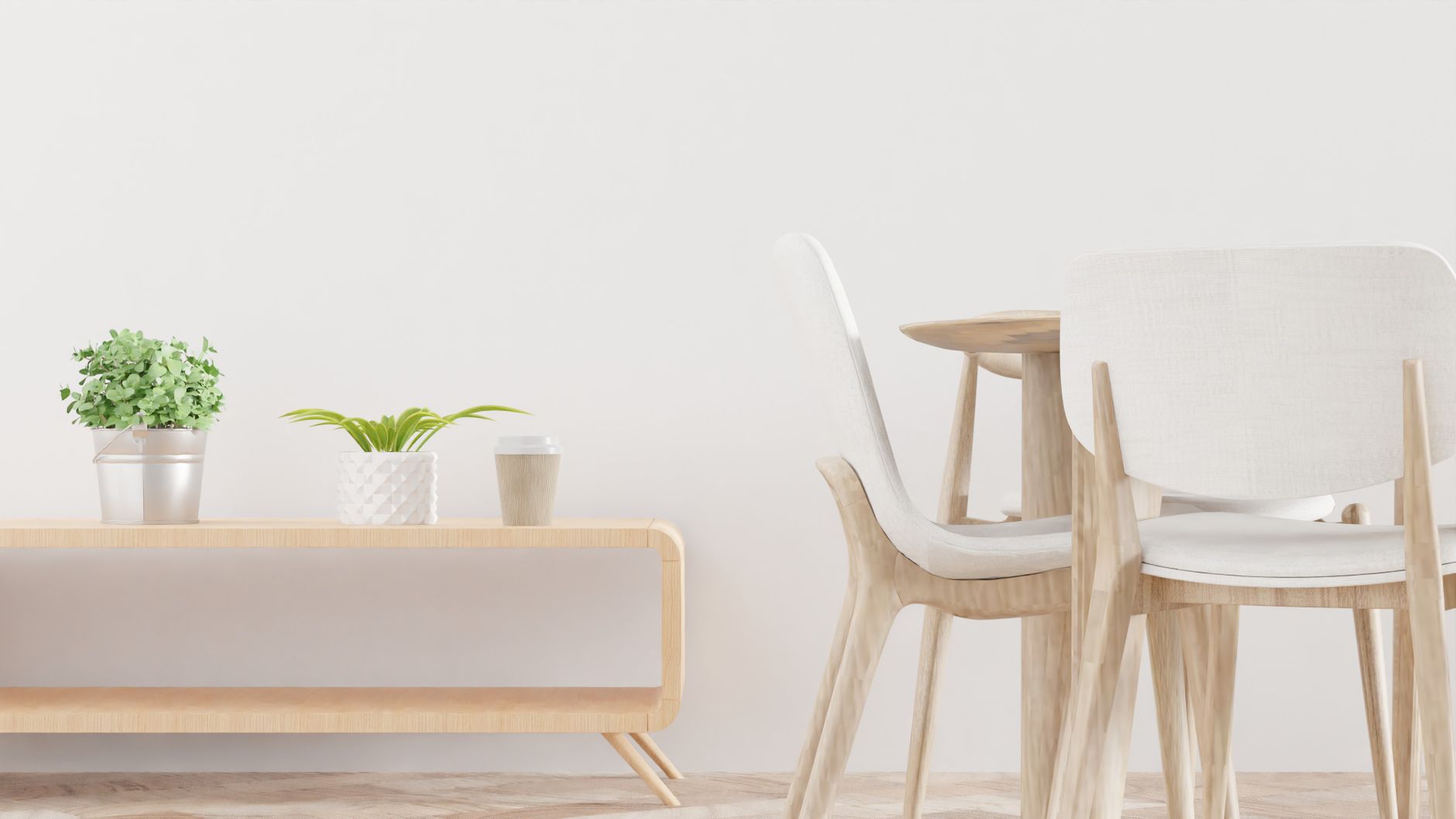
I focused on keeping only items that either served a purpose or brought joy, a principle popularized by the minimalist movement. For example, I retained a single decorative vase that I loved and removed the extra knick-knacks that gathered dust. The room now felt open and inviting, a space where I could relax without feeling overstimulated by clutter. I also moved the furniture to emphasize space and light, which made the room feel even more expansive. This became a haven where I could unwind after a busy day, greatly reducing my stress levels.
Organizing with Minimalism: Tackling the Kitchen
The kitchen was next, notorious for its overflowing cabinets and mismatched utensils. I decided I needed a more disciplined approach here. First, I laid out all my kitchen gadgets and identified duplicates or items I hadn't used in the past year. Out went the extra ladles and the panini press that hadn't seen the light of day in ages.
I then rearranged the remaining items to prioritize functionality. Everyday dishes were moved to the most accessible shelves, and seasonal items were stored higher up. This reorganization took about four hours, but it was worth every minute. I now find cooking far less stressful, knowing exactly where everything is. Plus, the clean countertops make meal prep feel more like a creative endeavor than a chore. I also invested in clear storage containers to easily see ingredients, which has streamlined meal planning and reduced the stress of last-minute grocery runs.
Comparing Stress Before and After Minimalism
To truly understand the impact of minimalist living, I noted changes in my stress levels before and after implementing these changes. Here's how minimalism made a tangible difference:
| Aspect | Before Minimalism | After Minimalism |
|---|---|---|
| Time Spent Cleaning | 10 hours/week | 6 hours/week |
| Daily Stress Level | High | Moderate |
| Sense of Space | Cluttered | Open and Airy |
Practical Tips for Embracing Minimalism at Home
Here's how you can start incorporating minimalist principles into your own life:
- Begin with one room: Focus your initial efforts on a single space to avoid feeling overwhelmed. Start small, perhaps with a closet or a bathroom.
- Use the 'One In, One Out' rule: For every new item you bring in, remove one. This helps maintain balance and prevents future clutter.
- Set a donation schedule: Commit to donating unused items monthly. Setting a regular schedule makes it easier to let go of items without second thoughts.
- Prioritize functionality and joy: Keep items that serve a purpose or bring happiness. Ask yourself if each item truly adds to your life.
- Regularly reassess: Periodically review your possessions to maintain a minimalist home. Consider setting quarterly reminders to do a quick audit of your spaces.
Common Questions About Minimalist Living
Q: How do I deal with sentimental items during decluttering?
I found it helpful to set aside a specific box for sentimental items. This allowed me to keep meaningful things without them overwhelming the space. Over time, I revisited this box to see if my attachment had lessened, which often it had.
Q: What if my family isn't on board with minimalism?
Start with your own belongings and lead by example. Often, seeing the positive changes can encourage others to join in. Open a dialogue about how clutter affects everyone and suggest small ways they can contribute.
Q: How do I maintain minimalism long-term?
Regularly revisit areas to ensure they stay clutter-free. Set aside time each month to assess and declutter if needed. Creating habits, such as a quick daily tidy-up, helps maintain the minimalist lifestyle.
Q: Can minimalism work in small spaces?
Absolutely! Minimalism can be particularly effective in small homes, as it helps maximize the available space and reduces clutter. Focus on vertical storage and multifunctional furniture to optimize your space.
EditorialOur Take
Embracing minimalist living has been a game-changer for me. By reducing clutter and focusing on what truly matters, I've found more peace and joy in my everyday life. However, it's not a one-size-fits-all solution. It requires commitment and may be challenging with a reluctant family or in certain lifestyles. But for anyone seeking a calmer, more organized home, it's a path worth exploring. The journey to minimalism is uniquely personal, and while it may take time, the rewards in terms of reduced stress and increased clarity are profoundly worth it. If you're ready to embrace a minimalist lifestyle, start small, stay consistent, and enjoy the freedom that comes with shedding excess.
Published on .
Share now!

Grace Mitchell
Home Organization Editor
Grace Mitchell leads Annyblog's home-organization writing. She is a reformed over-buyer who learned that a calm home comes from fewer things in better places. Grace shares the systems that actually stuck for her. Grace uses AI tools to research, draft, and help keep these articles accurate.
More from Grace →The information on this site is of a general nature only and is not intended to address the specific circumstances of any particular individual or entity. It is not intended or implied to be a substitute for professional advice.
Get our best tips in your inbox
A short, practical email now and then. No spam, and you can unsubscribe anytime.