Published on:
10 min read
Eco House Buying Guide: 7 Smart Features to Compare
Buying an eco-friendly home is not just about spotting solar panels on the roof or reading the word “sustainable” in a listing description. The real value is in understanding which features lower utility bills, improve comfort, reduce maintenance risk, and hold their value when you eventually sell. This guide breaks down seven smart features that deserve close comparison before you make an offer, from insulation performance and heat pump efficiency to water-saving systems, ventilation, and home energy monitoring. You will also learn how to separate genuinely high-performing homes from greenwashed marketing claims, what documents to request during due diligence, and which upgrades usually deliver the strongest everyday payoff. If you want a practical framework for comparing eco homes on more than aesthetics, this article will help you buy with more confidence and fewer expensive surprises.
- •Why eco homes need a smarter buying checklist
- •Feature 1 and 2: Building envelope performance and high-efficiency windows
- •Feature 3 and 4: Heat pumps, water heating, and smart energy management
- •Feature 5 and 6: Solar readiness, battery backup, and water efficiency
- •Feature 7: Ventilation, indoor air quality, and healthier materials
- •Key takeaways: how to compare eco homes without getting greenwashed
- •Conclusion: buy the house that performs, not the one that merely looks green
Why eco homes need a smarter buying checklist
An eco home should do three things well: use less energy, waste less water, and keep indoor spaces comfortable without constant mechanical effort. The problem is that many listings emphasize visible features while ignoring the systems that drive real performance. A rooftop solar array looks impressive, but if the home leaks air through poorly sealed windows and attic penetrations, your heating and cooling costs may still be unnecessarily high. In the United States, the Department of Energy has long estimated that heating and cooling account for roughly 43 percent of home energy use, which is why the building envelope often matters more than flashy add-ons.
This is where buyers get tripped up. Two homes can be the same size, in the same neighborhood, and listed at nearly the same price, yet one may cost thousands less per year to run. A practical comparison starts with measurable data: HERS score, utility bills from the past 12 months, insulation details, HVAC age, blower door test results, and ENERGY STAR appliance documentation. If a seller cannot provide any of that, treat broad sustainability claims with caution.
A useful mindset is to compare eco features by payback, comfort, and failure risk. For example:
- Lower air leakage improves comfort immediately and usually reduces bills.
- Heat pumps can cut emissions and operating costs, but performance depends on sizing and climate.
- Rainwater harvesting sounds appealing, but local regulations and maintenance matter.
Feature 1 and 2: Building envelope performance and high-efficiency windows
If you compare only two things in an eco home, compare insulation quality and windows. Together they shape comfort, energy use, and noise control more than most buyers realize. A well-insulated, tightly sealed shell reduces the workload on every other system in the house. In practical terms, that means a smaller HVAC unit, fewer hot and cold spots, and lower monthly bills. Look for details such as attic insulation levels, wall assembly type, slab or crawlspace insulation, and whether air sealing was tested rather than merely claimed.
For a rough benchmark, many high-performance new homes in mixed climates target attic insulation around R-38 to R-60, though exact needs vary by region. Windows should be judged on U-factor and solar heat gain coefficient, not just the phrase “double-pane.” In colder climates, lower U-factor often matters most. In hotter sunny regions, solar heat gain control can dramatically reduce cooling demand.
Pros and cons to weigh carefully:
- Pros of a high-performance envelope: lower heating and cooling costs, quieter interiors, better comfort, and less strain on HVAC equipment.
- Cons: repairs can be more specialized, window replacements are expensive, and poor installation can undermine premium materials.
Feature 3 and 4: Heat pumps, water heating, and smart energy management
The next comparison point is how the house heats air and water, because these systems often determine whether an eco home is truly efficient or simply marketed that way. Heat pumps have become a serious advantage for buyers in many markets. Modern cold-climate models can operate effectively well below freezing, and compared with electric resistance heating they can use far less electricity. Depending on local utility rates and the system being replaced, homeowners may see meaningful operating savings, especially when paired with good insulation and duct sealing.
Water heating deserves equal attention. Heat pump water heaters are far more efficient than standard electric tanks, often using 60 to 70 percent less electricity under the right conditions. Ask the seller for model numbers, installation dates, maintenance records, and any available efficiency ratings. A premium system installed five years ago with proper maintenance is often more valuable than a brand-new but basic system selected for minimum builder cost.
Smart energy controls can sharpen performance, but they are not magic. Compare whether the home includes zoned thermostats, demand response capability, energy monitoring apps, or circuit-level trackers such as Sense or Span-type electrical panels. These tools can help you spot an aging appliance, vampire loads, or poor usage patterns.
Pros and cons:
- Pros: lower operating costs, better visibility into energy use, easier scheduling, and stronger resale appeal in tech-forward markets.
- Cons: controls can be confusing, some systems rely on cloud connectivity, and repairs may require specialized technicians.
Feature 5 and 6: Solar readiness, battery backup, and water efficiency
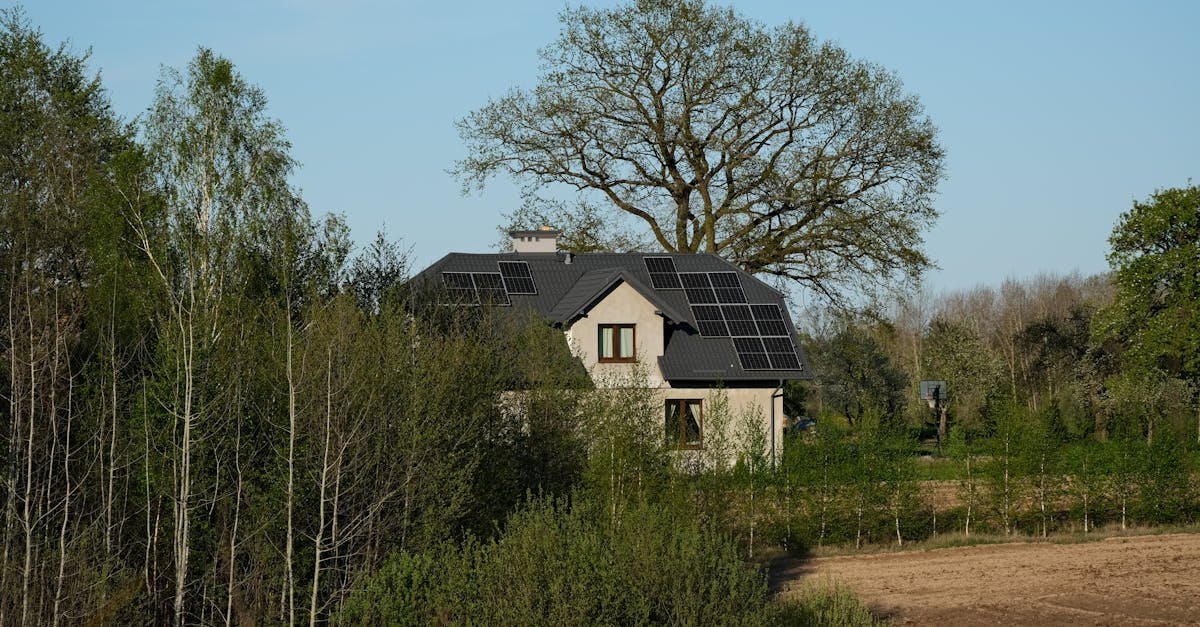
Solar panels get the headlines, but buyers should compare solar readiness before comparing panel size. A south- or west-facing roof with minimal shading, newer roofing material, adequate structural capacity, and conduit pathways for future installation can be more valuable than an older small array nearing inverter replacement. If panels are already installed, ask whether they are owned, financed, or leased. A leased system can complicate a sale and reduce flexibility, even if monthly power bills look attractive on paper.
Battery backup is becoming more relevant as outages and time-of-use electricity pricing spread. In places such as California and Texas, resilience is now part of the value equation. A battery can keep refrigeration, internet, lights, and medical devices running during outages, but buyers should check usable storage capacity, warranty terms, and whether critical loads are properly configured. A large battery that is poorly integrated may disappoint when you need it most.
Water efficiency deserves the same scrutiny. Low-flow fixtures, dual-flush toilets, drip irrigation, drought-tolerant landscaping, and greywater or rainwater systems can materially reduce bills in dry regions. The EPA’s WaterSense program estimates that an average family can save thousands of gallons annually with water-efficient fixtures.
Pros and cons:
- Pros: lower utility costs, better outage preparedness, reduced strain on local resources, and stronger appeal in drought-prone markets.
- Cons: battery systems are expensive, solar payback varies by utility policy, and water reuse systems may require permits and regular maintenance.
Feature 7: Ventilation, indoor air quality, and healthier materials
One of the most overlooked eco features is the one you cannot easily see: indoor air quality. Tighter homes save energy, but without proper ventilation they can trap humidity, odors, and pollutants. That is why balanced ventilation systems such as ERVs and HRVs matter. These systems exchange stale indoor air with fresh outdoor air while recovering some heat or cooling energy, improving air quality without the energy penalty of simply opening windows year-round.
When comparing homes, ask whether bathrooms vent outdoors, whether the kitchen uses a properly ducted range hood, and whether humidity is managed in basements, crawlspaces, or humid climates. If a seller mentions mold remediation, do not panic automatically, but do investigate moisture sources thoroughly. Moisture failures are among the costliest problems in supposedly green homes because they can hide behind airtight assemblies and premium finishes.
Healthy materials also deserve a place on your checklist. Low-VOC paints, formaldehyde-free cabinetry, and hard flooring instead of wall-to-wall carpet can make a real difference for families with asthma or chemical sensitivities. According to the EPA, indoor air can sometimes be more polluted than outdoor air, which makes material selection more than a lifestyle preference.
Pros and cons:
- Pros: healthier living environment, fewer condensation issues, more consistent humidity, and better long-term durability.
- Cons: filters and cores require maintenance, ventilation systems add upfront cost, and poor commissioning can create noise or imbalance.
Key takeaways: how to compare eco homes without getting greenwashed
The fastest way to compare eco homes is to turn vague claims into a due diligence checklist. Start by asking for proof, not promises. Request 12 months of utility bills, equipment model numbers, maintenance records, warranty information, and any third-party certifications such as ENERGY STAR, LEED, Passive House, or a local green building label. Certifications are not perfect, but they are far more useful than a listing description that says “efficient” without numbers.
Use this practical shortlist when evaluating homes:
- Prioritize envelope quality first: insulation, air sealing, and window performance.
- Check HVAC and water heating age, efficiency, and service history.
- Review ventilation design, moisture control, and filtration.
- Verify whether solar is owned, leased, or simply possible in the future.
- Compare water-saving features against local climate and utility costs.
- Budget for maintenance, not just purchase price.
Conclusion: buy the house that performs, not the one that merely looks green
The best eco house purchase usually comes down to disciplined comparison. Start with the building envelope, then evaluate heating and water systems, then look at solar, battery, water efficiency, and indoor air quality. Ask for documents, compare annual operating costs, and factor in maintenance complexity before you fall in love with aesthetics. If a feature cannot be explained clearly by the seller or backed by records, assign it less value.
Your next step is practical: create a one-page scorecard for every home you tour and rate each of the seven features from poor to excellent. Bring that scorecard to inspections and use it during negotiations. That simple habit can help you avoid greenwashing, identify hidden costs, and choose a home that is cheaper to run, healthier to live in, and easier to resell later. In eco real estate, performance is the feature that pays you back long after closing.
Published on .
Share now!
ES
Ethan Summers
Author
The information on this site is of a general nature only and is not intended to address the specific circumstances of any particular individual or entity. It is not intended or implied to be a substitute for professional advice.