Published on:
10 min read
Granny Pods Buying Guide: Costs, Benefits, and Tips
Granny pods, also called accessory dwelling units for aging parents, are one of the most practical alternatives to assisted living and nursing homes for families who want proximity without sacrificing privacy. But the decision is more complicated than simply buying a backyard cottage. Zoning rules, utility hookups, accessibility design, financing, caregiver needs, and long-term resale value all shape whether a granny pod becomes a smart investment or an expensive mistake. This guide breaks down real-world cost ranges, compares prefab and custom options, explains the medical and lifestyle benefits, and highlights the hidden issues families often discover too late. If you are considering housing an older parent on your property, this article will help you evaluate feasibility, budget accurately, ask better questions, and choose a setup that works for both today’s care needs and tomorrow’s changing health realities.

- •What a granny pod really is, and why more families are considering one
- •How much granny pods cost in 2026, from basic prefab units to custom backyard homes
- •Prefab vs custom vs conversion: which type of granny pod makes the most sense
- •The hidden issues that derail projects: zoning, permits, utilities, and insurance
- •How to design a granny pod for safety, dignity, and lower caregiving stress
- •Key takeaways: smart buying tips, financing options, and how to avoid expensive mistakes
What a granny pod really is, and why more families are considering one
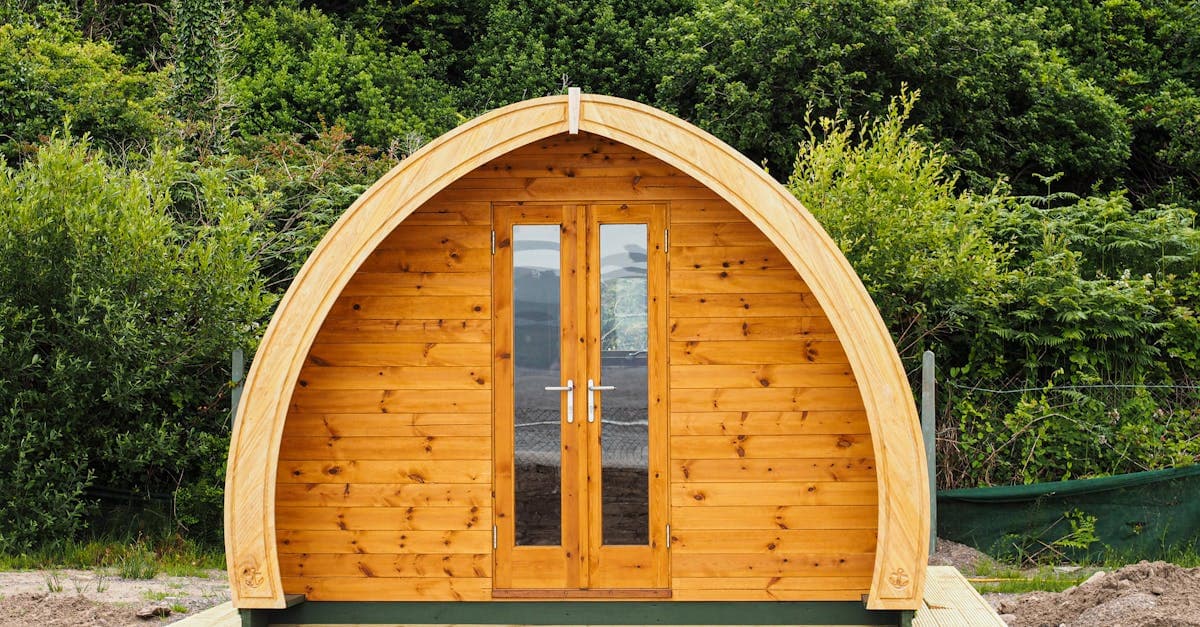
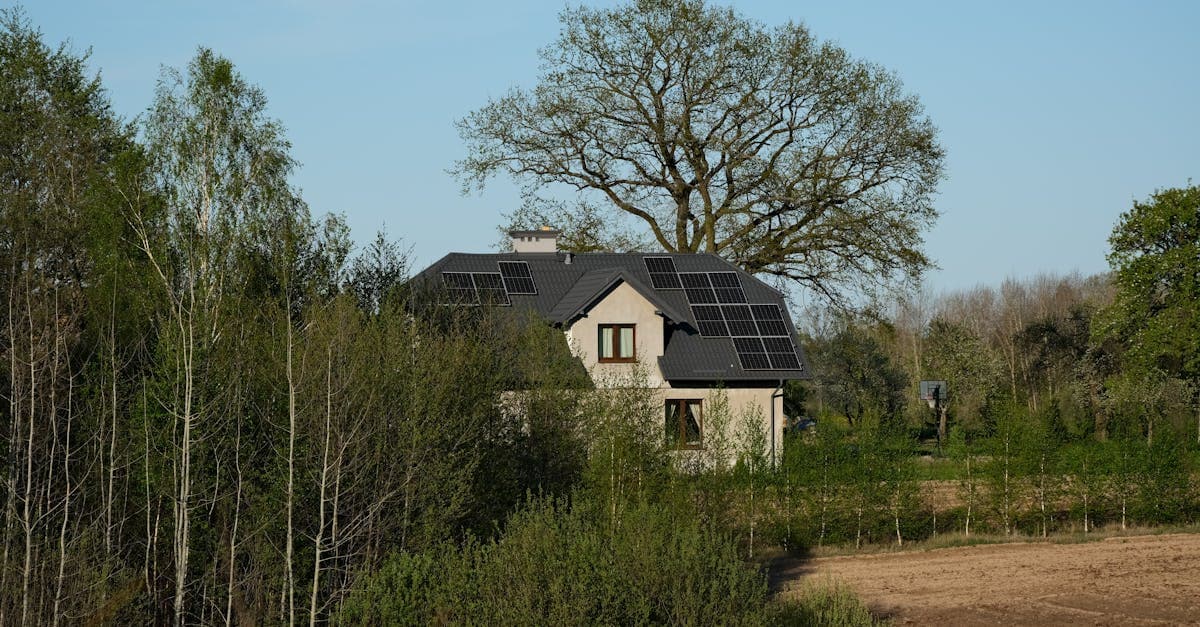
A granny pod is a small, independent housing unit placed on the same property as a main home, typically designed for an aging parent or relative who needs support but not full institutional care. In housing terms, most granny pods fall under the broader category of accessory dwelling units, or ADUs. They can be detached backyard cottages, garage conversions, or modular units delivered mostly built. What makes them different from a standard guesthouse is the emphasis on accessibility, safety, and often healthcare-friendly features such as step-free entries, wider doorways, bathroom grab bars, and room for mobility devices.
The demand is rising for a simple reason: the math of elder care is getting harder. Genworth’s Cost of Care data has consistently shown that assisted living and nursing home costs are high, with assisted living often running around the mid-five figures annually and private nursing home rooms exceeding six figures per year in many markets. For families with a parent who is mostly independent but needs regular check-ins, a granny pod can be a middle-ground solution.
Why it matters is not just cost. It is also about quality of life. A well-designed pod can preserve dignity, reduce caregiver travel time, and make emergency support faster. A daughter who used to drive 35 minutes each way to help her mother with meals and medications may be able to provide the same support with a two-minute walk across the yard.
Still, these units are not ideal for every family.
- Pros include privacy, proximity, lower long-term care costs, and flexibility.
- Cons include zoning barriers, upfront capital costs, caregiver burnout risk, and future health needs that may outgrow the unit.
How much granny pods cost in 2026, from basic prefab units to custom backyard homes
The biggest surprise for first-time buyers is that the unit itself is only part of the budget. A basic prefab granny pod may start around 400 to 600 square feet, with many entry-level units landing between 50,000 dollars and 120,000 dollars before site work. Mid-range models with better finishes, full kitchens, accessible bathrooms, and higher energy efficiency often fall between 120,000 dollars and 220,000 dollars installed. Custom ADUs can push well beyond 250,000 dollars, especially in high-cost markets such as California, Washington, or parts of the Northeast.
Site work can dramatically change the equation. Families often underestimate these line items:
- Foundation or slab work: 8,000 to 30,000 dollars
- Utility trenching and hookups: 10,000 to 40,000 dollars
- Permits, surveys, and plan review: 3,000 to 15,000 dollars
- Accessibility upgrades and safety features: 5,000 to 25,000 dollars
- Landscaping, walkways, and exterior lighting: 2,000 to 10,000 dollars
| Option | Typical Size | Estimated Cost Range | Best Fit |
|---|---|---|---|
| Basic prefab pod | 400-600 sq ft | $50,000-$120,000 before major site work | Independent parent with light support needs |
| Mid-range installed ADU | 500-800 sq ft | $120,000-$220,000 all-in in many markets | Longer-term use with accessibility upgrades |
| Custom detached ADU | 600-1,000 sq ft | $220,000-$350,000+ | High-cost markets or highly tailored care needs |
| Garage conversion | 300-700 sq ft | $80,000-$200,000 | Properties with existing structure and favorable zoning |
Prefab vs custom vs conversion: which type of granny pod makes the most sense
There is no universally best type of granny pod. The smartest choice depends on lot size, local rules, the parent’s health, and how long you expect the unit to be used. Prefab units appeal to buyers who want speed and more predictable pricing. A factory-built unit can reduce weather delays and labor uncertainty, and some manufacturers have already optimized layouts for wheelchair turning radius, low-threshold showers, and compact but functional kitchens. That said, shipping, crane access, and local installation requirements can erase some of the savings.
Custom-built ADUs offer the highest flexibility. If your parent has Parkinson’s, early dementia, or uses a walker, custom planning can make daily routines easier. You can place the bedroom closer to the bathroom, enlarge circulation space, add a covered path to the main home, or include smart-home monitoring. The tradeoff is budget risk. Custom projects can run over estimate if soil conditions, utility lines, or permitting issues surface late.
Conversions occupy the middle ground. Turning a garage, basement, or detached workshop into an accessible suite can be cheaper than new construction, but only if the existing structure is sound. Older garages often need major insulation, plumbing, electrical, and moisture-control work.
Here is the practical lens families should use:
- Choose prefab if speed, cost control, and simple site access matter most.
- Choose custom if care needs are complex or the unit may serve multiple long-term purposes.
- Choose conversion if you already have usable space and a contractor confirms it can be upgraded safely.
The hidden issues that derail projects: zoning, permits, utilities, and insurance
The fastest way to waste time and money is to fall in love with a unit before confirming it is legal on your property. Zoning and permitting are where many granny pod plans stall. Some municipalities allow ADUs by right, while others restrict detached units, impose owner-occupancy rules, limit square footage, or require minimum setbacks from property lines. Even in ADU-friendly states, neighborhood overlays, septic capacity, historic district restrictions, or wildfire rules can complicate approval.
Utilities are the next hidden hurdle. A backyard pod may need separate electrical subpanels, water and sewer extensions, upgraded gas service, or a mini-split HVAC system. If the main house already has an aging electrical panel, you may need a service upgrade before anything else can happen. On rural lots, septic systems are especially important. A system sized decades ago for a smaller household may not support another dwelling without redesign.
Insurance is also often overlooked. Adding a detached dwelling can change liability exposure, replacement value, and even your umbrella policy needs. Families who intend to hire part-time aides should ask whether workers are covered and whether the policy changes once medical equipment is installed.
Questions to ask before paying a deposit:
- Is a detached ADU allowed on this parcel today?
- What are the required setbacks, height limits, and maximum square footage?
- Can existing sewer or septic capacity support the unit?
- Will the insurer cover the structure and any in-home caregiving arrangements?
- Does the lender object if there is still a mortgage on the property?
How to design a granny pod for safety, dignity, and lower caregiving stress
A granny pod should not merely look accessible. It should work well on an ordinary Tuesday when someone is tired, rushing, or dealing with a new health issue. The best designs reduce fall risk, support routine, and make future changes easier. Falls remain a major concern for older adults, and the Centers for Disease Control and Prevention has long reported millions of emergency department visits tied to falls each year among adults age 65 and older. That makes layout decisions more than cosmetic choices.
The most useful design features are practical, not flashy:
- Zero-step entry and a gently graded walkway from the main home
- At least one bathroom with a curbless shower, non-slip flooring, and reinforced walls for grab bars
- Doorways wide enough for walkers or wheelchairs
- Lever handles instead of knobs
- Layered lighting, especially in the bathroom, kitchen, and route to the bed
- Bedroom space that allows access from both sides of the bed
- Smart locks, video doorbells, medication reminders, or discreet monitoring if appropriate
Key takeaways: smart buying tips, financing options, and how to avoid expensive mistakes
The families who feel best about their granny pod purchase usually make three moves early: they verify legality, build a realistic all-in budget, and plan for changing care needs. Everything else comes after that. If you skip those steps, even an attractive unit can become a stressful project.
A practical buying checklist looks like this:
- Start with the local planning department before contacting manufacturers
- Ask for all-in installed estimates, not base model prices
- Budget a contingency of at least 10 to 15 percent for site surprises
- Have an occupational therapist or aging-in-place specialist review the floor plan if mobility is already a concern
- Confirm internet, lighting, walkway safety, and emergency access, not just interior finishes
- Think through who will provide transportation, meals, medication support, and night-time help
- Underestimating permit delays
- Choosing too small a bathroom
- Ignoring future wheelchair access
- Forgetting storage for medical supplies or seasonal items
- Assuming family caregiving capacity will stay constant
Published on .
Share now!
IC
Isla Cooper
Author
The information on this site is of a general nature only and is not intended to address the specific circumstances of any particular individual or entity. It is not intended or implied to be a substitute for professional advice.