Published on:
9 min read
Fat Dissolving Injections: Best Options and Buyer Tips
Fat dissolving injections can look like a quick fix, but choosing the right treatment is more complex than comparing before-and-after photos. This guide breaks down the best-known injectable fat reduction options, how they actually work, what kind of results are realistic, and which red flags matter when you are evaluating clinics, pricing, and safety. You will also learn where these treatments tend to work best, why some areas respond better than others, and how to judge whether a lower quote is a bargain or a warning sign. If you are trying to decide between Kybella, Aqualyx, lemon bottle-style products, or other clinic-offered injectables, this article gives you practical questions to ask, expected costs, side effect realities, and tips for getting a treatment plan that matches your anatomy, budget, and tolerance for downtime.
- •What fat dissolving injections actually do and who they suit best
- •Best-known options on the market and how they compare in real clinics
- •What results, side effects, and downtime really look like
- •How much fat dissolving injections cost and when cheaper pricing is a bad sign
- •How to choose a provider, avoid red flags, and decide whether injections beat alternatives
- •Key takeaways and practical buyer tips before you book
- •Conclusion
What fat dissolving injections actually do and who they suit best
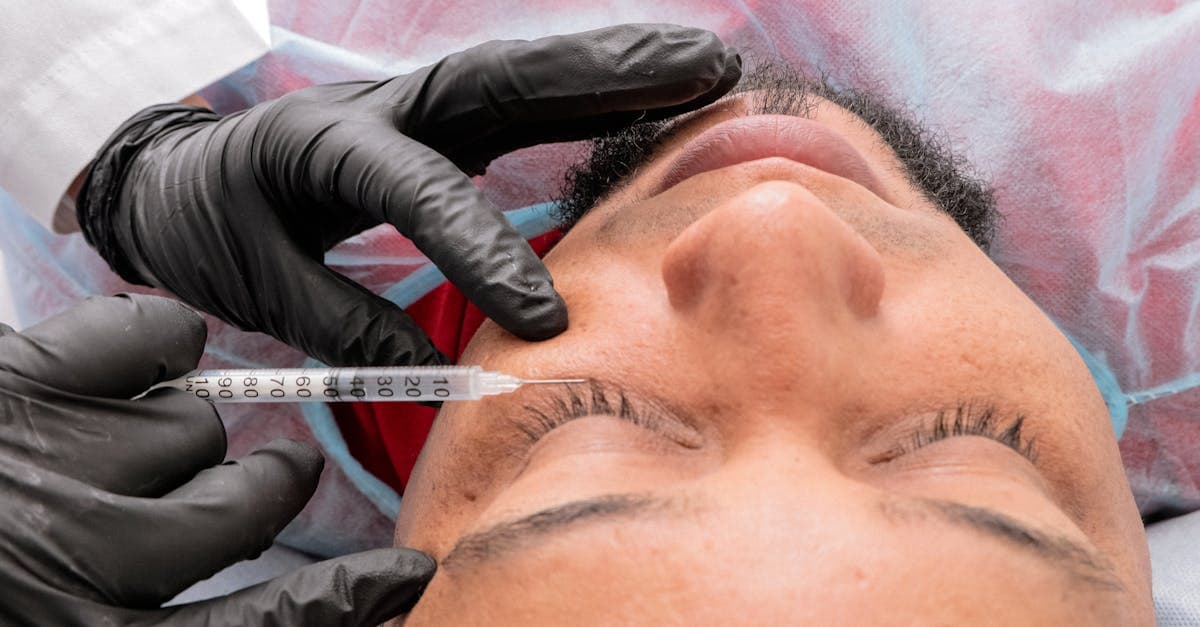
Fat dissolving injections are designed to break down small, stubborn pockets of localized fat, not deliver major weight loss. The best-known medical mechanism involves deoxycholic acid, a compound that disrupts fat cell membranes so the body can gradually clear the contents through natural metabolic processes. In practice, that makes these treatments most relevant for areas such as the double chin, bra bulge, lower abdomen, flanks, inner knees, and upper arms when the issue is contour rather than body weight itself.
This distinction matters because many disappointed patients are not bad candidates for the product, they are bad candidates for the expectation. If someone wants to lose 20 pounds, injections are the wrong tool. If someone is near their goal weight but still has a soft submental pocket under the chin despite diet and exercise, injectable fat reduction may be a more rational option.
A realistic clinic assessment usually considers three things:
- Fat thickness in the target area
- Skin elasticity and risk of laxity after fat reduction
- Whether the fullness is actually fat, swelling, gland tissue, or loose skin
Best-known options on the market and how they compare in real clinics
The most recognized injectable fat dissolver is Kybella, approved by the U.S. Food and Drug Administration for submental fullness under the chin. Its active ingredient is synthetic deoxycholic acid. In Europe and other markets, clinicians may also offer Aqualyx, often used off-label for body areas, and a growing number of compound-based or branded formulations sometimes marketed heavily on social media. Product availability varies by country, and that alone is a buyer tip: what is legally marketed in one region may not carry the same regulatory backing in another.
In real clinics, the decision is usually not just product-based. It is protocol-based. An experienced injector may achieve better outcomes with a conservative, well-mapped plan than a less trained provider using a more famous brand. Still, product differences matter in expected swelling, evidence base, and area of use.
Common talking points patients should compare include:
- Regulatory status in their country
- Main active ingredient and concentration
- Typical number of sessions needed
- Downtime profile, especially swelling duration
- Strength of published clinical evidence
| Option | Typical Use | Evidence Strength | Typical Sessions | Main Buyer Consideration |
|---|---|---|---|---|
| Kybella | Double chin and submental fullness | High for approved chin use | 2 to 6 | Often expensive but backed by the strongest brand recognition and formal approval in the U.S. |
| Aqualyx | Small body areas and chin in some markets | Moderate and market-dependent | 2 to 8 | Protocol quality varies more by clinic and country |
| Compound or boutique clinic formulas | Chin and small body areas | Variable | 2 to 8+ | Lower upfront price may come with less standardized evidence or technique |
What results, side effects, and downtime really look like
The most common mistake buyers make is underestimating downtime. Clinics sometimes describe these injections as a lunchtime treatment, but that can be misleading, especially for the chin. Swelling after deoxycholic acid-based treatment can be significant for several days, and some patients report a visibly puffy look for one to two weeks. Bruising, tenderness, numbness, firmness, and temporary unevenness are also common as the area heals.
Results are gradual, not instant. Many people begin noticing contour change after several weeks, with fuller improvement over multiple sessions. In published and clinic-reported treatment pathways, two to four sessions is common for mild to moderate areas, while larger or denser fat pockets may need more. A practical benchmark is this: if a clinic promises dramatic one-session body sculpting from injections alone, skepticism is warranted.
The upside is that the destroyed fat cells do not simply refill in the same way if body weight remains stable. The downside is that poor candidate selection can create loose-looking skin or patchy reduction.
Pros patients often mention:
- No general anesthesia or operating room required
- Useful for small stubborn areas resistant to lifestyle efforts
- Lower upfront commitment than liposuction
- Swelling can be socially inconvenient
- Multiple sessions raise total cost quickly
- Results are more subtle than surgery
- Technique errors can increase asymmetry or nerve-related complications
How much fat dissolving injections cost and when cheaper pricing is a bad sign
Pricing varies enormously by clinic, geography, and treatment area. In the United States, Kybella for the chin commonly lands somewhere between 1,200 and 2,400 dollars per session, with many patients needing two to four sessions. In the United Kingdom, non-surgical fat dissolving sessions for small areas are often marketed from roughly 150 to 600 pounds per session, though premium London clinics can charge much more. The headline number rarely tells the full story because some providers price by vial, some by area, and some by customized treatment plan.
The buyer tip here is simple: calculate total expected spend, not entry price. A cheap first session becomes expensive if the product is weak, the dosing is too conservative, or the provider is essentially selling an endless cycle of touch-ups.
Questions worth asking before booking:
- How many sessions does the clinic expect for my specific area and anatomy
- Is the quote per vial, per session, or per full treatment plan
- What product is being used and why was it chosen
- Are review photos from the same product and same injector
- Is follow-up included if swelling or nodules linger
| Pricing Model | What It Looks Like | Best For | Main Risk |
|---|---|---|---|
| Per vial | You pay for each vial used during treatment | Patients treating variable-size areas | Final bill may rise if more product is needed than expected |
| Per session | Flat rate for one treatment visit | Buyers who want simple comparison shopping | Low session price may hide underdosing or need for many repeat visits |
| Per treatment plan | Bundled quote for several sessions and review | Patients who want budget clarity | Make sure the number of sessions and product details are written clearly |
How to choose a provider, avoid red flags, and decide whether injections beat alternatives
Provider choice matters at least as much as product choice. A strong injector does more than place injections. They assess whether the fullness is truly fat, mark safe treatment zones, discuss nerve anatomy, identify skin laxity risks, and tell you when another option would work better. For chin treatment in particular, poor mapping can raise the chance of uneven results or temporary marginal mandibular nerve irritation, which can affect the smile.
Red flags buyers should take seriously include:
- No medical consultation before treatment day
- Vague answers about product name or active ingredients
- Heavy reliance on stock photos instead of clinic-specific cases
- Guarantees of dramatic one-session results
- No discussion of swelling, numbness, or downtime
Key takeaways and practical buyer tips before you book
If you are considering fat dissolving injections, approach the decision like a medical-aesthetic purchase, not a beauty impulse buy. The treatment can be worthwhile for localized fat, especially under the chin, but success depends on anatomy, product selection, provider skill, and realistic expectations. A buyer who asks better questions usually gets a better outcome.
Practical tips to use immediately:
- Ask for a diagnosis of the fullness. Is it fat, loose skin, gland tissue, or a mix
- Request a written plan covering product, expected sessions, cost range, and likely downtime
- Look for before-and-after examples from the same clinic, same body area, and similar anatomy
- Avoid scheduling important social or work events within at least a week of chin treatment
- Maintain stable weight during the treatment course so results are easier to judge
- Take standardized photos in the same lighting every two weeks to track progress objectively
Conclusion
Fat dissolving injections can deliver meaningful improvement for the right person, especially when treating small, stubborn areas such as submental fat under the chin. The smartest buyers focus less on marketing buzz and more on anatomy, evidence, provider skill, total cost, and recovery trade-offs. Before booking, get a proper consultation, confirm the exact product being used, ask how many sessions are realistically needed, and compare injections against alternatives such as liposuction or skin-tightening treatments. Then make your decision based on the result you actually want, not just the lowest quoted price. If you treat this as a precision contouring procedure rather than a shortcut to weight loss, you are far more likely to be happy with both the process and the final outcome.
Published on .
Share now!
SH
Sophia Hale
Author
The information on this site is of a general nature only and is not intended to address the specific circumstances of any particular individual or entity. It is not intended or implied to be a substitute for professional advice.