Published on:
10 min read
Lip Fillers Guide: Best Options, Costs & What to Know
Thinking about lip fillers but unsure which type makes sense, how much you should budget, or what the appointment actually involves? This guide breaks down the options in plain English, with a practical look at hyaluronic acid fillers, how pricing works in real clinics, what affects longevity, and the questions smart patients ask before booking. You’ll also learn how to spot a qualified injector, what recovery is really like during the first week, and which red flags should make you walk away from a provider. Whether your goal is subtle hydration, better symmetry, or a more noticeable volume boost, this article helps you compare choices realistically instead of relying on filtered before-and-after photos or social media hype. The result is a grounded, detailed roadmap you can use to make a safer, better-informed decision.
- •Why lip fillers remain popular and what they can realistically do
- •Best lip filler options: what doctors use most and how they differ
- •How much lip fillers cost and what actually affects the price
- •What happens before, during, and after the appointment
- •Risks, red flags, and how to choose a provider safely
- •Key takeaways and practical tips for getting a result you will still like in six months
- •Conclusion
Why lip fillers remain popular and what they can realistically do
Lip fillers have moved from celebrity trend to mainstream cosmetic treatment, largely because modern formulas can create subtle changes rather than the exaggerated look many people still associate with old-school lip augmentation. In the U.S., soft-tissue filler procedures remain among the most commonly performed minimally invasive cosmetic treatments each year, and lips are one of the most requested areas because even a small amount of product can change facial balance. In practice, many patients are not asking for “big lips.” They are asking for hydration, better border definition, correction of asymmetry, or restoration of volume lost with age.
That distinction matters. A good injector evaluates your face as a whole, not just your lips in isolation. Someone with a flatter philtrum, a naturally thin upper lip, or downturn at the corners may benefit from a different approach than a person who already has decent volume but wants more shape. For example, a 28-year-old patient may only need 0.5 mL to sharpen the cupid’s bow, while a 47-year-old who has lost lip support over time may need lip filler plus small adjustments around the mouth for a balanced result.
There are real benefits, but also limits.
- Pros: immediate visible change, customizable volume, reversible options with hyaluronic acid, relatively short appointment time
- Cons: swelling can distort the result for days, maintenance costs add up, poor technique can create migration or lumps, and overfilling often looks unnatural
Best lip filler options: what doctors use most and how they differ
Most lip fillers used today are hyaluronic acid, or HA, gels. Hyaluronic acid is a substance naturally found in the body, which is one reason these products remain the go-to option for lips. They are flexible, reversible, and generally easier to fine-tune than older filler categories. In the U.S., the names patients hear most often include Juvéderm Ultra XC, Juvéderm Volbella XC, Restylane Kysse, Restylane Silk, and Revanesse Lips+. Each behaves a little differently in terms of softness, spread, structure, and longevity.
Broadly speaking, softer fillers are often chosen for subtle definition and a smooth, hydrated look, while slightly more structured fillers can build shape and support. For example, Volbella is commonly used for refinement and border work because it tends to be soft and understated. Restylane Kysse is popular for patients who want movement and softness with noticeable volume. Juvéderm Ultra XC has historically been used for fuller enhancement, though it may attract more swelling in some patients.
Why this matters is simple: the “best” filler is not universal. It depends on your anatomy, goals, and how much change you want after one session. Someone preparing for a wedding in six weeks may prefer a conservative HA option with a natural finish. A patient who wants a more dramatic pout for social media content may ask for more volume, but that should still be constrained by tissue limits.
A smart consultation includes discussion of texture, reversibility, and likely maintenance rather than just brand names. The injector’s technique usually matters as much as, and often more than, the actual filler selected.
| Filler | Typical Use | General Texture | Common Fit |
|---|---|---|---|
| Juvéderm Volbella XC | Subtle definition and smoothing | Very soft | First-time patients wanting minimal change |
| Juvéderm Ultra XC | Noticeable volume | Soft to moderately plush | Patients seeking fuller lips |
| Restylane Kysse | Shape plus flexible movement | Soft with support | Patients wanting natural motion and moderate enhancement |
| Restylane Silk | Fine definition and border refinement | Light and precise | Patients focused on detail rather than size |
| Revanesse Lips+ | Balanced volume and contour | Smooth, medium-soft | Patients wanting customizable enhancement |
How much lip fillers cost and what actually affects the price
Lip filler pricing varies more than most people expect. In many U.S. cities, a syringe costs roughly $500 to $1,000, with high-demand metropolitan practices sometimes charging $1,100 or more. That means a first appointment can range from about $350 for a half-syringe at a med spa to $1,500 or higher if you see a sought-after facial plastic surgeon in a major market and combine filler with a lip flip or perioral balancing. The sticker price matters, but it is not the whole story.
Several factors drive the cost. Geography is one. New York, Los Angeles, Miami, and San Francisco generally sit at the top end. Injector credentials are another. A board-certified dermatologist or facial plastic surgeon may charge more than a nurse injector, but you may be paying for advanced anatomy knowledge and complication management. Product selection matters too, since different brands and formulations carry different wholesale costs.
Patients also underestimate how much product they may need over time. Many first-timers start with 0.5 mL or 1 mL. If someone with very thin lips wants a dramatic transformation in one visit, pushing too much filler can increase the risk of migration and distortion. A staged plan often looks better and can be safer.
- Lower upfront cost can be appealing, but bargain pricing may signal diluted expertise or high-volume, rushed appointments
- Higher pricing does not automatically equal better results, but strong portfolios and medical oversight are worth paying for
- Maintenance usually adds up to hundreds or thousands of dollars per year, depending on your metabolism and desired fullness
| Cost Factor | Typical Impact on Price | What to Ask |
|---|---|---|
| Geographic location | Major cities often cost 20 to 40 percent more | Is pricing per syringe or per treatment plan? |
| Injector credentials | Board-certified specialists usually charge more | Who performs the injection and who handles complications? |
| Amount used | 0.5 mL costs less than 1 mL, but may not meet every goal | How much product is recommended for my anatomy? |
| Brand selected | Different HA fillers vary in cost | Why is this product better for me than alternatives? |
| Follow-up care | Some clinics include reviews, others charge separately | Are touch-ups and dissolving fees included? |
What happens before, during, and after the appointment
A proper lip filler appointment should feel more medical than impulsive. Before treatment, your injector should review your health history, allergies, previous filler experience, history of cold sores, and any tendency to bruise. They should also assess your bite, asymmetry, lip movement, and the amount of space available between the nose and upper lip. This is where good planning prevents bad results. If you are prone to herpes simplex outbreaks, many clinicians recommend preventive antiviral medication because injections can trigger a flare.
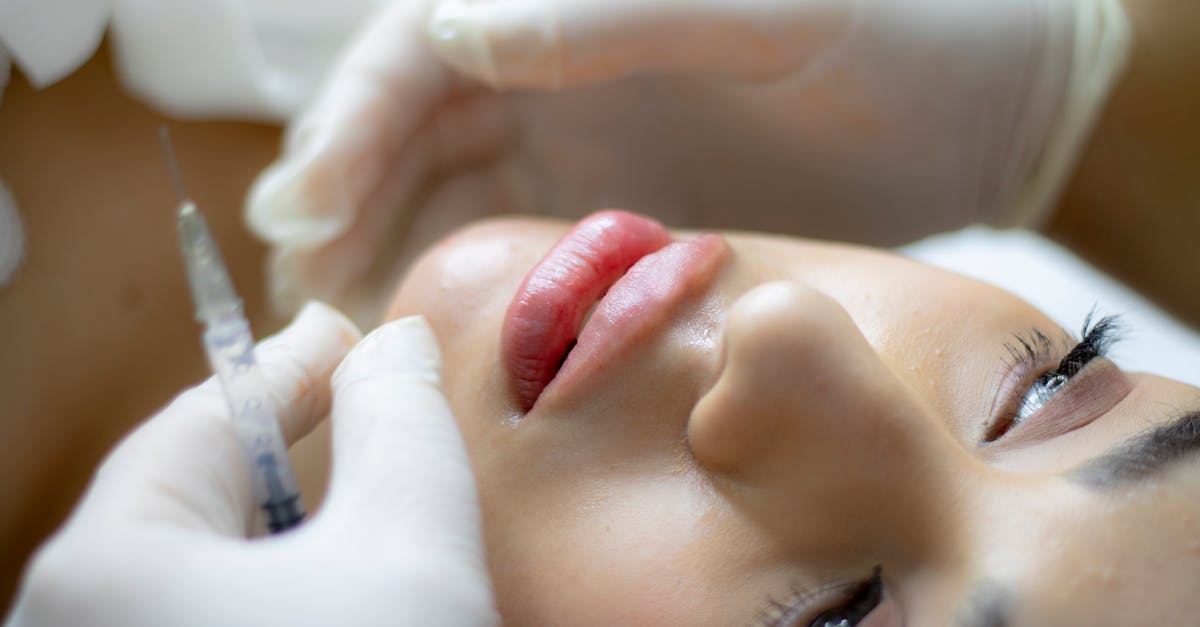
During the procedure, lips are usually numbed with topical cream, and many HA fillers contain lidocaine for added comfort. The actual injection time can be as short as 10 to 20 minutes. Some injectors use needles for precision; others use cannulas in selected cases to potentially reduce bruising. You may hear clicking if a blunt-tip cannula is used or feel pressure rather than sharp pain. Immediately afterward, lips often look larger than the final result because of swelling.
Recovery is usually straightforward, but the first 48 hours can be dramatic. Swelling often peaks on day one or two and then settles over several days. Bruising can last a week, occasionally longer. Most clinics advise avoiding strenuous exercise, heavy alcohol use, excessive heat, and intense lip pressure for the first day.
- Expect temporary unevenness early on; do not judge final symmetry too quickly
- Schedule treatment at least two weeks before a major event, not two days before
- Use ice in short intervals and sleep with your head elevated if swelling is significant
- Contact your provider urgently if you notice severe pain, blanching, dusky discoloration, or unusual skin changes
Risks, red flags, and how to choose a provider safely
Lip fillers are common, but they are not risk-free. The most talked-about problems are bruising, swelling, tenderness, and lumps, which are usually temporary. More serious complications, though rare, include vascular occlusion, where filler blocks blood flow. This can threaten skin tissue and, in very unusual situations, vision if filler is injected in dangerous areas of the face. Lips are highly vascular, which is exactly why injector skill matters so much.
One practical rule is this: choose the provider before you choose the filler. Look for a board-certified dermatologist, facial plastic surgeon, plastic surgeon, or an experienced injector working under strong physician supervision. Ask how often they treat lips specifically, how they manage complications, and whether hyaluronidase is available on site to dissolve HA filler if needed. If a clinic cannot answer that clearly, leave.
Red flags are often obvious once you know what to watch for.
- Extremely discounted pricing that feels designed to rush your decision
- No medical consultation or no discussion of risks and aftercare
- Heavily edited before-and-after photos with inconsistent lighting and angles
- Pressure to buy more syringes than you requested
- A provider who cannot explain migration, vascular compromise, or dissolving protocols
Key takeaways and practical tips for getting a result you will still like in six months
The best lip filler result is usually the one that still looks good when the swelling is gone, your lipstick wears off, and nobody can tell exactly what changed. That is why the smartest strategy is to treat lip filler as a plan, not a one-time impulse purchase. Most people do best starting conservatively, evaluating the healed result after two weeks, and then deciding whether refinement is actually needed.
If you are comparing clinics, use a short checklist rather than shopping on social media alone. Ask what product is recommended, how much is likely needed, what happens if you dislike the result, and how complications are handled. A provider who answers these questions calmly and specifically is usually more trustworthy than one who leads with trend language or celebrity references.
Here are practical tips worth saving:
- Bring reference photos that show level of fullness you like, but expect your anatomy to limit what is possible
- Do not schedule lip filler right before weddings, vacations, photo shoots, or important work events
- If this is your first treatment, 0.5 mL is often enough to test how you like the look and healing process
- Budget for maintenance before you start, since results may last roughly 6 to 12 months depending on product, metabolism, and technique
- Avoid chasing perfection; tiny natural asymmetries are normal and often keep lips looking real
- If you hate the result, remember that HA fillers can often be adjusted or dissolved rather than simply endured
Conclusion
Lip fillers can be an excellent option if you want more definition, better symmetry, or added volume without surgery, but the best outcomes come from realistic expectations and careful provider selection. Focus on three things: choosing an experienced injector, understanding the true cost over time, and starting with a conservative amount that suits your anatomy. If you are ready to move forward, book a consultation rather than a treatment-only appointment, ask detailed questions about product choice and complication management, and give yourself at least two weeks before any major event. Done thoughtfully, lip filler can look polished and natural. Done impulsively, it can become an expensive correction project. Your next step is simple: shortlist two or three reputable providers, compare their portfolios and credentials, and make your decision based on safety and style, not just price.
Published on .
Share now!
EP
Evelyn Pierce
Author
The information on this site is of a general nature only and is not intended to address the specific circumstances of any particular individual or entity. It is not intended or implied to be a substitute for professional advice.