Published on:
4 min read
By Noah Parker · Routines & Habits Writer
My Experience with a Zero-Waste Daily Routine
Transitioning to a zero-waste routine was a challenge, but it brought a significant reduction in my household waste. Here's how I did it and what I learned.
Why I Decided to Go Zero-Waste
About a month ago, I stood over my trash can, feeling slightly horrified at how quickly it filled up. It seemed as though every food wrapper, plastic bag, and paper towel I used ended up in the bin. I had read about zero-waste lifestyles before, but it always seemed daunting. Yet, the more I thought about it, the more I felt compelled to try. It wasn’t just about the environment for me—I wanted to simplify my life and reduce clutter. In this article, I’ll share what I learned from my month-long experiment with a zero-waste daily routine, highlighting the successes, the hiccups, and my takeaways.
My Daily Routine: Swapping Disposable for Durable
The first big change was swapping single-use items for reusable ones. I started with the kitchen, where I traded plastic wrap for a set of beeswax wraps, costing about $18 for a pack of three. These have been surprisingly effective at keeping food fresh, and after the initial oddity of wrapping a sandwich in what felt like a sticky sheet, it became second nature. My morning coffee ritual also got a makeover—I switched to a French press, which was about $30, eliminating the need for paper filters. On an average day, these small substitutions reduced my trash output significantly, from about two small bags a day to one every two days. It’s incredible how much less waste I produce when I consciously choose reusable over disposable.
In addition to the kitchen, I focused on my cleaning supplies. I replaced disposable wipes with cloth alternatives, which initially required a $15 purchase for a set of five. These are machine washable and have proven durable over weeks of use. The transition wasn't seamless—I forgot to wash them often enough at first, leading to occasional shortages. However, once I established a routine of washing them every Sunday, it became a non-issue.
A Zero-Waste Bathroom: Challenges and Solutions
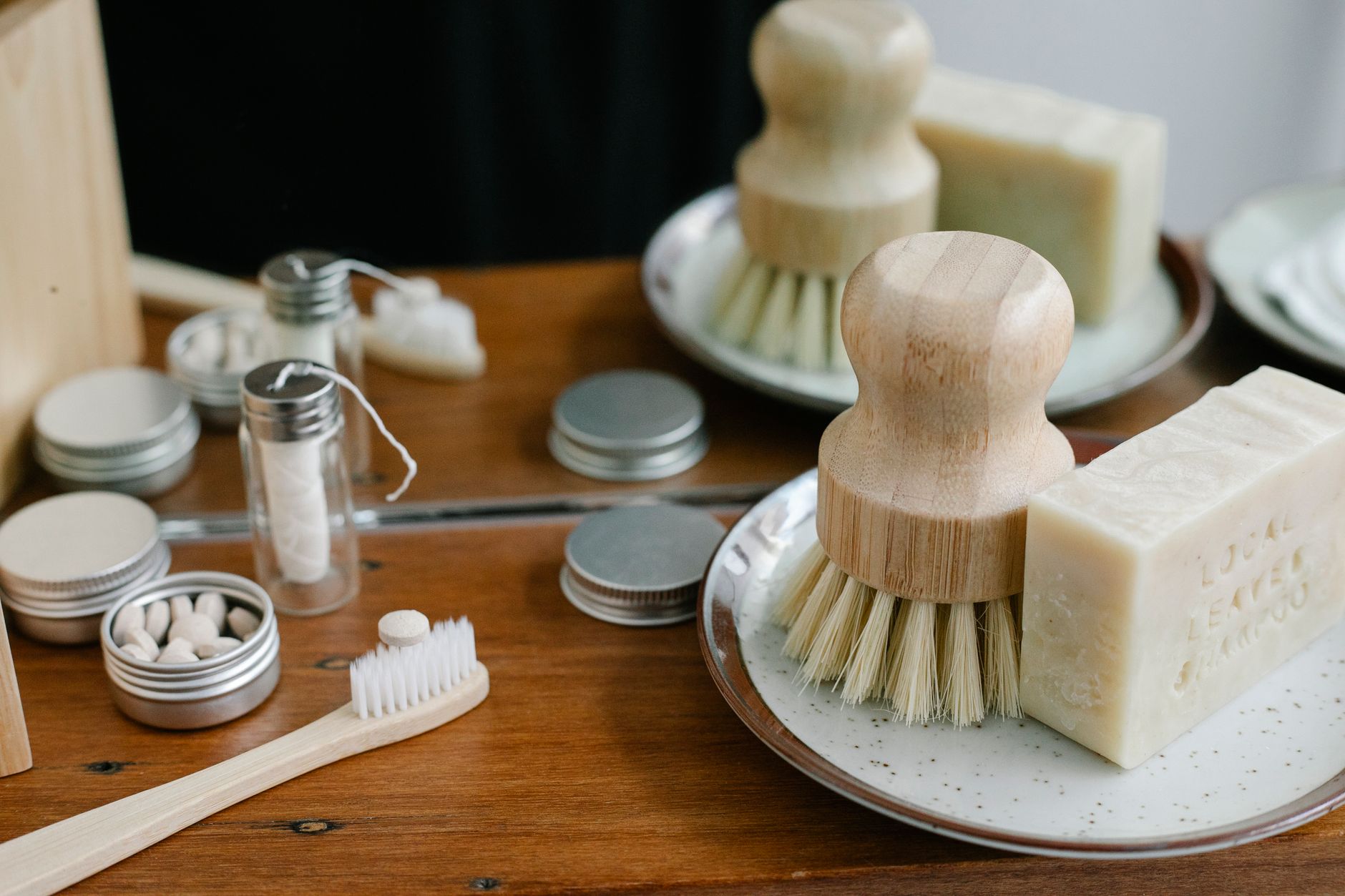
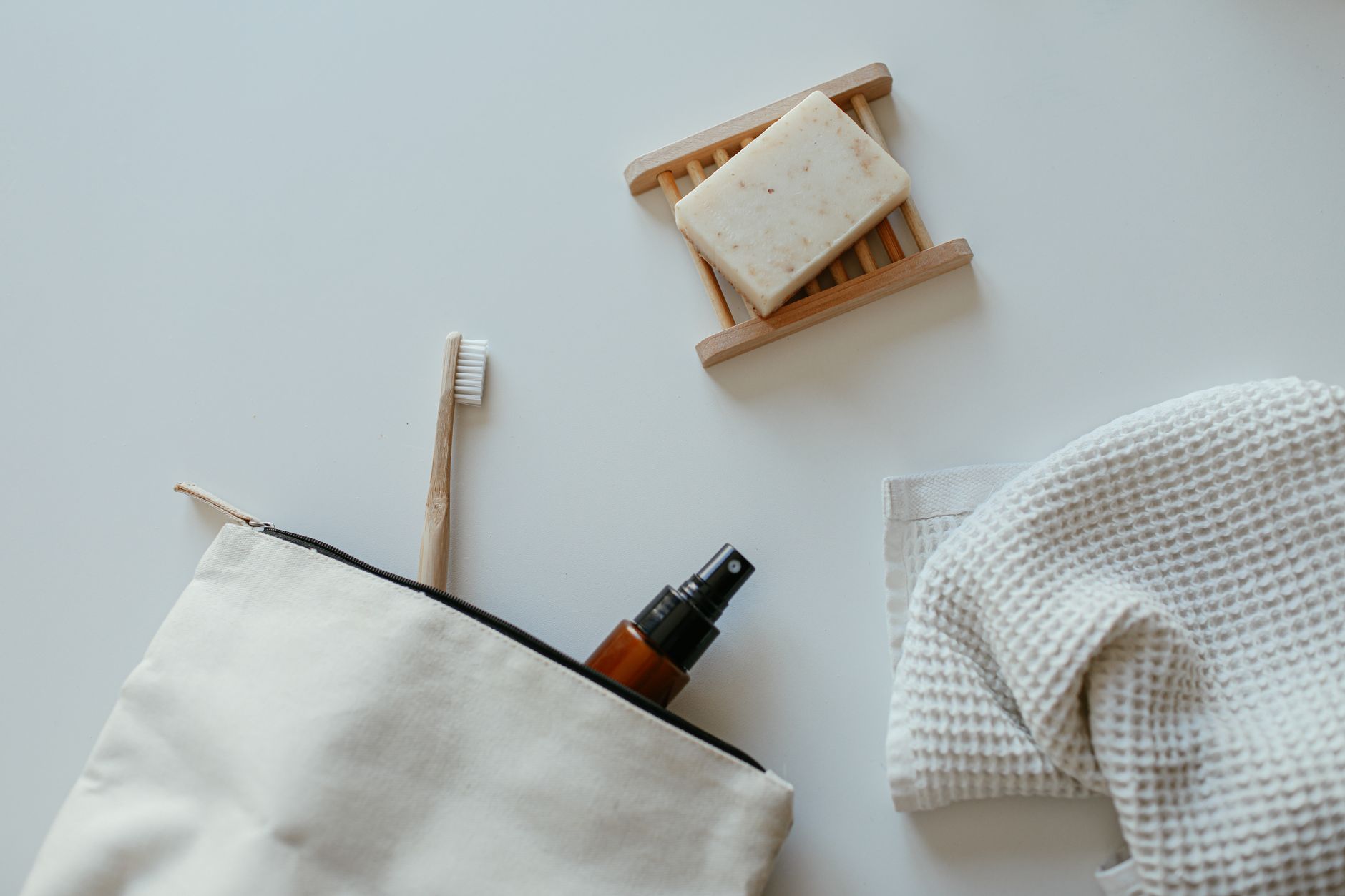
The bathroom presented its own set of challenges. My usual bottle of shampoo and tube of toothpaste were swapped for a shampoo bar and a jar of natural toothpaste. The shampoo bar cost about $10 and is meant to last as long as two bottles. Initially, I doubted its lathering abilities, but it proved surprisingly efficient. Toothpaste was trickier—I had to adjust to dipping a brush into a jar, which was a bit messy at first. My waste audit showed that bathroom waste reduced by about 50% in quantity and weight. I also swapped my disposable razor for a safety razor, priced at $25 with blades that can be recycled. These small changes not only cut waste but also gave my bathroom a cleaner, more organized look.
Another adjustment was my approach to toiletries. I tried using a bamboo toothbrush, which was $4 compared to my usual $2 plastic one. Initially, I was skeptical about comfort, but it worked just as well and felt more solid than the plastic versions.
Comparing Costs: Zero-Waste vs. Traditional
Making the switch to zero-waste products initially felt more expensive, but I was curious whether the long-term use would offset this cost. Here's a comparison:
As the table shows, while the upfront cost of zero-waste items can be higher, they tend to last longer and reduce recurring expenses. For instance, the $30 French press was a one-time purchase, compared to the ongoing cost of paper filters. Similarly, the $25 safety razor is a more sustainable option compared to disposable razors that need frequent replacement.
| Item | Zero-Waste Cost | Traditional Cost |
|---|---|---|
| Coffee (French Press) | $30 (one-time) | $5/month for filters |
| Shampoo (Bar) | $10 (lasts 3 months) | $5/bottle per month |
| Razor (Safety) | $25 + $5 for blades/year | $15 for disposables/year |
Steps to Start Your Own Zero-Waste Routine
If you’re considering a zero-waste routine, here’s how you can start:
- Conduct a waste audit: Track what you throw away in a week to identify wasteful habits.
- Begin with one room: Focus on easily swapped items like reusable kitchen bags or cloth towels.
- Set a budget: Determine how much you can allocate for initial purchases.
- Educate yourself: Research products and read reviews to avoid trial-and-error.
- Stay flexible: Be open to adjustments. Not every swap will work for you, and that’s okay.
- Start small: Implement changes gradually to avoid feeling overwhelmed.
FAQs on Zero-Waste Lifestyle
Q: Is zero-waste expensive?
The initial costs can be higher, but over time, you often save money by reducing disposable purchases.
Q: How do you handle food waste?
I compost kitchen scraps using a small countertop bin. It’s a simple way to reduce waste and nourish my garden.
Q: What about zero-waste when dining out?
I carry a small kit with a reusable straw and utensils, which helps minimize waste when I eat out.
Q: How do you deal with setbacks?
There are days when convenience wins, but it’s important to be forgiving and refocus on the larger goal.
EditorialOur Take
Embracing a zero-waste routine has been both challenging and deeply rewarding. It’s not for everyone—if you love convenience and dislike change, this might feel overwhelming. However, if you’re seeking a way to reduce waste and simplify, this lifestyle change is immensely satisfying. The key is starting small, being patient with yourself, and celebrating each small win. For me, the reduction in household clutter and waste was worth every adjustment.
Published on .
Share now!

Noah Parker
Routines & Habits Writer
Noah Parker writes about daily routines and the small habits that keep a home running. He is naturally messy and has built his routines specifically for people who don't enjoy chores. Noah shares what keeps things calm on ordinary weekdays. Noah uses AI tools to research, draft, and help keep these articles accurate.
More from Noah →The information on this site is of a general nature only and is not intended to address the specific circumstances of any particular individual or entity. It is not intended or implied to be a substitute for professional advice.
Get our best tips in your inbox
A short, practical email now and then. No spam, and you can unsubscribe anytime.