Published on:
5 min read
By Noah Parker · Routines & Habits Writer
Reacting to a New Home Organization Book: Key Takeaways
I recently dived into a new home organization book that promised to transform chaotic spaces into serene havens. Here are some practical tips I gleaned and how they played out in my own home.
Finding Inspiration in a New Home Organization Book
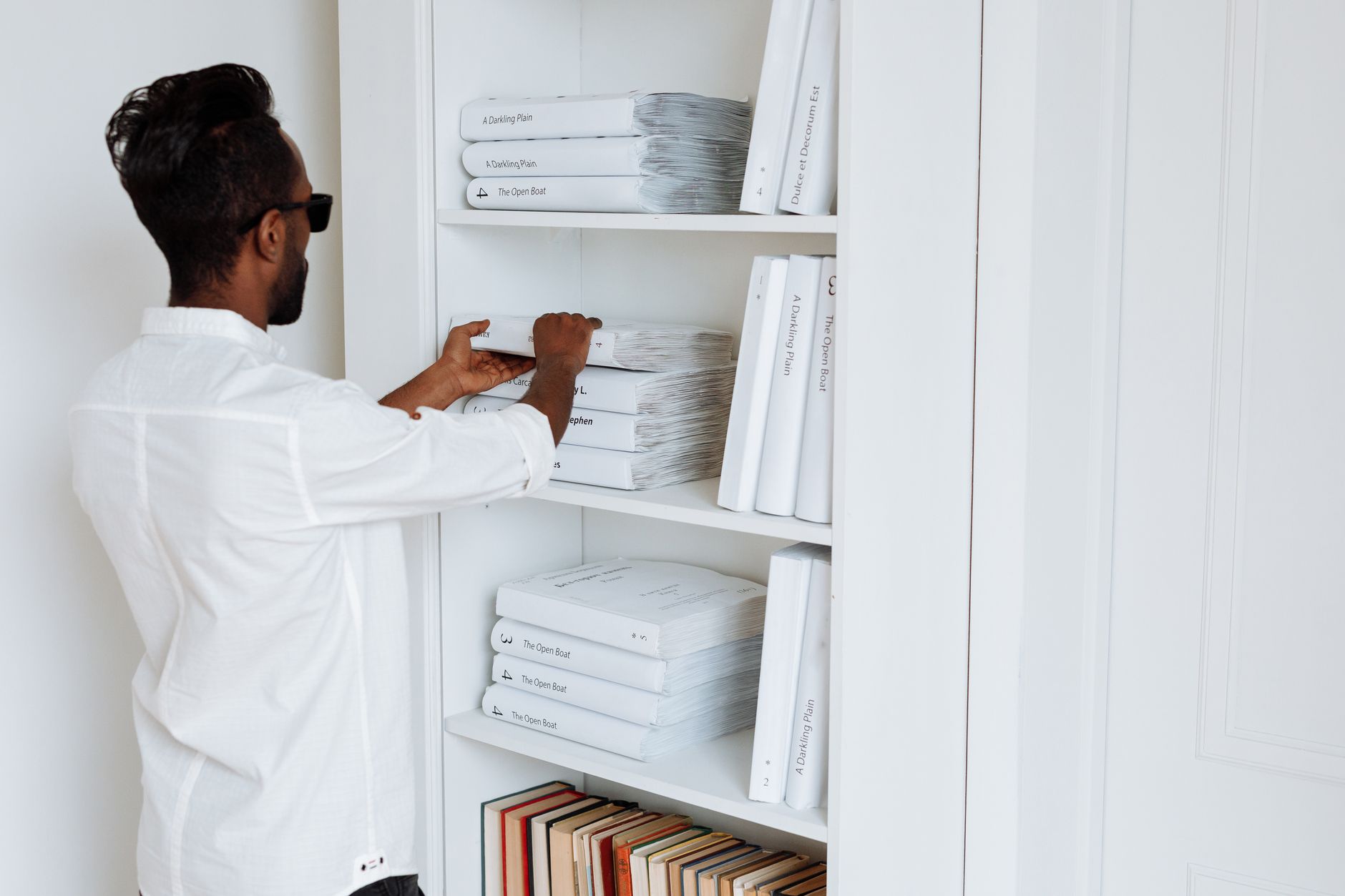
Last month, I picked up a home organization book that caught my eye on the bookstore shelf. Its promises of creating calm out of chaos resonated with my constant struggle to keep my home orderly. As someone who frequently finds themselves buried under miscellaneous items that seem to reproduce overnight, I was eager to see if these pages held the key to a tidier life.
The book is written with a blend of empathy and practicality, offering not just theoretical advice but actionable steps for each room. With high hopes, I decided to test its methods over a few weeks in different areas of my house. From storage strategies to decluttering tips, here’s what I found genuinely transformative in my day-to-day life. My goal was to create a functional yet inviting space where I could unwind without the nagging reminder of clutter.
Conquering the Kitchen: A Real-Life Test
The first chapter I tackled was all about kitchen organization. My kitchen, admittedly, was a bit of a battleground. Pots and pans often found themselves in a precarious pile, and my spice cabinet was an unpredictable avalanche waiting to happen. The book suggested dedicated zones for different types of kitchen activities, something I’d never considered before.
I spent a Saturday afternoon implementing this. I designated one cabinet exclusively for baking supplies, another for cooking essentials, and a third for snacks. This reorganization cost roughly $30 for some additional shelf dividers and containers. The book's advice to use clear labeled bins for spices was a game-changer; I spent $15 on a set of glass jars and a label maker. Now, finding cumin doesn’t require a treasure hunt, and cooking has become a more enjoyable and less stressful activity.
While organizing, I also discovered a surprising amount of expired items. Clearing these out freed up space and added to the sense of order. This exercise took about four hours in total, but the result was worth every minute. Cooking dinner no longer feels like an additional task but rather a seamless part of my evening routine.

The Living Room Revamp: A Cozy Retreat
Moving to the living room, I embraced the book’s suggestion of minimizing visual clutter. I hadn’t realized how many 'decorative' items were actually just contributing to mess. The book proposed limiting surfaces to three items each, something I was skeptical about initially. Could fewer items really transform the space?
On a rainy Sunday, I spent three hours decluttering surfaces. I chose to keep items that either brought me joy or were functional, like a favorite vase, a lamp, and a framed photo on the side table. Surprisingly, this small change made the space feel more open and inviting.
I also invested in a $50 storage ottoman to hide miscellaneous items like remotes and throw blankets. The immediate benefit was noticeable—my evenings felt more relaxed in a room that no longer felt chaotic. I even noticed a difference in my mood and productivity while spending time there. The simplicity of the space now encourages me to read more and use my phone less.
Comparison: Old Habits vs. New Techniques
While reading, I compared my old habits to the new techniques I was implementing, using a simple table to track efficiency and frustration levels. The changes didn’t just stop at aesthetics; they improved the functionality of my home significantly.
This table clearly showcases the effectiveness of the new strategies. Streamlining each area not only reduced my stress but also improved efficiency in daily routines. My family even commented on the newfound ease of navigating our shared spaces, which was a pleasant surprise. The book’s advice encouraged a holistic view of home organization, where each small change contributed to a cumulative improvement in home life.
| Old Habit | New Technique | Result |
|---|---|---|
| Stacked pans randomly | Zone organization | Reduced cooking time by 10% |
| Messy spice drawer | Clear labeled jars | Found spices twice as fast |
| Overflowing coffee table | Three-item rule | Felt more peaceful |
Practical Tips for Applying These Ideas
Through trial and error, I've learned some practical tips if you're considering applying these strategies in your own home. The process was both enlightening and rewarding, offering insights that extended beyond mere tidying.
- Start small: Choose one room or even a single corner to begin. This makes the task manageable and less overwhelming.
- Invest in versatile storage solutions, like bins or baskets, that can adapt to different spaces. These don't have to be expensive—thrift stores often have great finds.
- Label everything: It’s amazing how much easier this makes finding things. Plus, it’s satisfying to see uniformity in your storage.
- Regularly reassess: Every couple of months, take a moment to evaluate what's working and what isn’t. This keeps your space adaptable to changes in your lifestyle.
- Don't be afraid to let go: If an item doesn’t serve a purpose or bring joy, it’s time to say goodbye. This was one of the harder lessons but also the most freeing.
Q&A: Reader Queries on Home Organization
Q: How long did it take to see results?
The results varied by room. I saw a noticeable difference in the kitchen after just one afternoon, but the living room took a weekend to feel truly transformed. The key was consistency in applying the principles.
Q: Do these methods work for small spaces?
Absolutely, particularly the zone organization and clear labeling. These methods maximize whatever space you have, even in a small apartment kitchen. It’s all about smart utilization of available space.
Q: What’s the most useful tool you bought?
The label maker. It wasn't expensive, around $20, but has made a world of difference in keeping things organized and easy to find. It added structure to my chaos and was a fun tool to use.
Q: Did anything not work as expected?
Initially, I overbought storage containers. The key lesson was assessing what I had and needed before purchasing. It saved me time, money, and unnecessary clutter in the long run.
EditorialOur Take
This home organization book brought a fresh perspective to managing daily clutter, and the practical advice made a real difference in my home. It's not a one-size-fits-all solution—some tips might work better than others depending on your space and lifestyle. For someone just starting out on their organizational journey, it's a valuable guide. However, if you're already a seasoned organizer, you might find some suggestions more basic.
Overall, it’s worth a read if you're looking for new ideas or a structured approach to decluttering. The key is to adapt the advice to fit your unique environment and needs. For me, it was a reminder that maintaining an organized home is a journey, not a destination, and there’s always room for improvement.
Published on .
Share now!

Noah Parker
Routines & Habits Writer
Noah Parker writes about daily routines and the small habits that keep a home running. He is naturally messy and has built his routines specifically for people who don't enjoy chores. Noah shares what keeps things calm on ordinary weekdays. Noah uses AI tools to research, draft, and help keep these articles accurate.
More from Noah →The information on this site is of a general nature only and is not intended to address the specific circumstances of any particular individual or entity. It is not intended or implied to be a substitute for professional advice.
Get our best tips in your inbox
A short, practical email now and then. No spam, and you can unsubscribe anytime.