Published on:
11 min read
Scar Removal Guide: Best Treatments Compared
Scars are frustrating because they rarely behave the same way twice. An acne mark, a raised surgical scar, and a burn scar can all look dramatic, yet respond very differently to treatment. This guide breaks down what actually works for different scar types, from silicone sheets and steroid injections to microneedling, lasers, subcision, and prescription retinoids. You will learn which treatments have the strongest evidence, what kind of improvement is realistic, how much downtime and cost to expect, and why timing matters more than most people realize. Instead of promising perfect skin, this article focuses on practical decision-making: how to match a treatment to the scar you have, when home care is enough, when professional procedures make sense, and how to avoid wasting money on products that cannot meaningfully change scar texture.
- •Why scar treatment is complicated, and why the scar type matters first
- •At-home scar treatments: what is worth trying before you book a procedure
- •Professional treatments compared: lasers, microneedling, peels, injections, and surgery
- •Best treatments by scar type: a practical comparison
- •Cost, downtime, and realistic results: what clinics do not always explain clearly
- •Key takeaways: how to choose the right next step for your skin
- •Conclusion: build a scar plan, not a product pile
Why scar treatment is complicated, and why the scar type matters first
The biggest mistake people make is treating all scars as if they are the same problem. They are not. A flat dark acne mark, a pitted ice-pick scar, and a thick keloid may all be called scars in everyday conversation, but the biology is different, so the treatment plan has to be different too. That is why one person swears by a cream that did nothing for someone else.
Broadly, scars fall into a few common groups. Atrophic scars sit below the skin surface and include rolling, boxcar, and ice-pick acne scars. Hypertrophic scars are raised but stay within the original wound boundary. Keloids grow beyond the original injury and are more common in people with darker skin tones and in areas like the chest, shoulders, jawline, and earlobes. Then there is post-inflammatory hyperpigmentation, which is technically discoloration rather than true textural scarring, but many people lump it together because it is what they see in the mirror.
Timing also changes outcomes. New scars, especially those under 12 months old, often respond better to early management like silicone, taping, sun protection, and in some cases steroid treatment. Older scars usually need procedural help because collagen has already remodeled.
Why this matters: if your scar is mainly color, you may need pigment-focused care. If it is raised, flattening is the goal. If it is indented, you need collagen remodeling or release of tethering beneath the skin. Choosing correctly saves time, money, and a lot of disappointment.
At-home scar treatments: what is worth trying before you book a procedure
At-home care can help, but expectations need to be realistic. Drugstore and online products rarely erase established texture changes. Where they do shine is in improving color, reducing itch, supporting wound healing, and helping newer scars mature more favorably. Among non-prescription options, silicone gel and silicone sheets have the strongest track record for raised scars. They work best when used consistently for weeks to months, often 12 hours or more per day for sheets.
Sun protection matters more than most people realize. UV exposure can make scars and post-acne marks stay darker for months longer. Daily broad-spectrum SPF 30 or higher is not glamorous, but it is one of the cheapest ways to prevent a scar from becoming more noticeable.
Other useful at-home tools include retinoids, azelaic acid, and gentle chemical exfoliants for discoloration and mild uneven texture. These help most with post-inflammatory marks, not deep pitted scars.
Pros of at-home treatment:
- Lower cost than procedures
- Good first step for new scars and discoloration
- Easy to combine with in-office treatments
- Slow results, often 8 to 24 weeks
- Limited effect on deep, tethered, or thick scars
- Many overhyped products lack solid evidence
Professional treatments compared: lasers, microneedling, peels, injections, and surgery
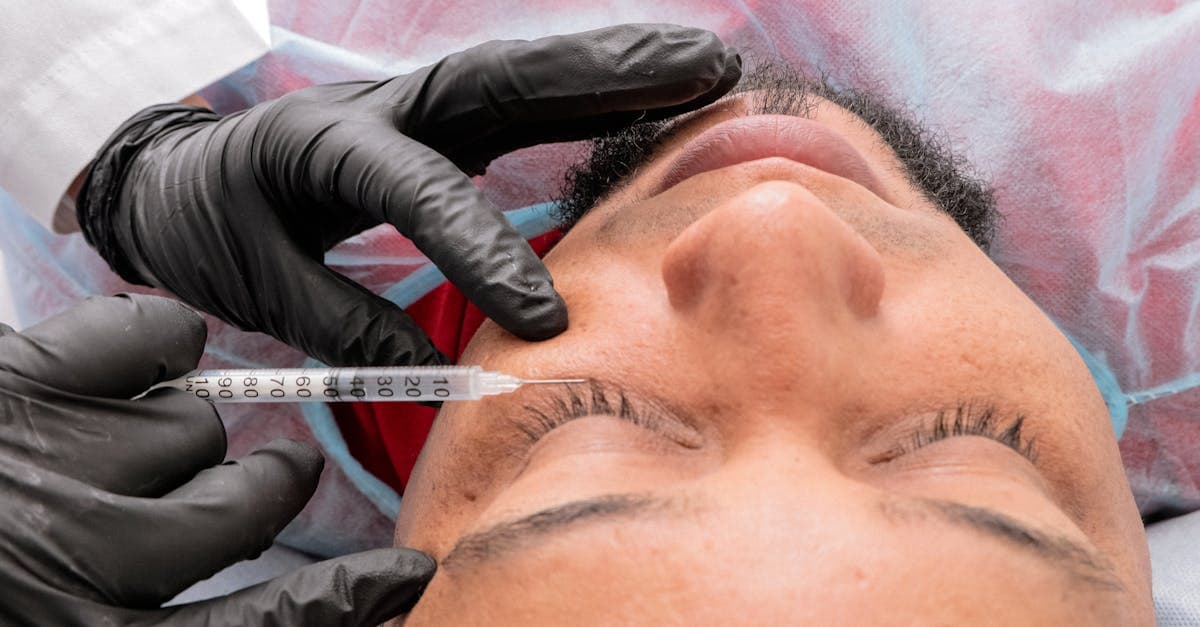
In-office treatment is where real texture change usually happens. The best option depends on scar type, skin tone, budget, and downtime tolerance. For indented acne scars, microneedling is a common entry point because it is generally safer for a wider range of skin tones than aggressive resurfacing. Many clinics recommend a series of 3 to 6 sessions spaced about 4 to 6 weeks apart. Improvement is often noticeable but gradual rather than dramatic.
Fractional laser resurfacing can produce stronger results for texture, especially with acne scars and some surgical scars, but it comes with more downtime and a higher risk of post-inflammatory hyperpigmentation in deeper skin tones if settings are not chosen carefully. Subcision is especially helpful for rolling scars because it releases fibrous bands tethering the skin downward. For raised scars, steroid injections remain a mainstay, often flattening hypertrophic scars over several sessions. Keloids may also be treated with steroid plus 5-fluorouracil, cryotherapy, or surgery combined with adjuvant therapy to reduce recurrence.
Chemical peels can improve tone and very superficial irregularity, but they are not a primary fix for deep scars.
Pros of professional treatment:
- Stronger evidence for texture improvement
- Can target specific scar mechanisms
- Often combines well for better results
- Higher cost, often hundreds per session
- Downtime, swelling, redness, or bruising
- Risk of pigment changes or recurrence in some scar types
Best treatments by scar type: a practical comparison
If you want the shortest route to a sensible plan, match the treatment to the scar in front of you. This sounds obvious, but many people spend months on the wrong intervention. A raised C-section scar does not need the same strategy as acne craters on the cheeks. Likewise, a dark mark left after a pimple may fade with pigment control alone, while a true ice-pick scar usually needs a procedural approach.
For atrophic acne scars, the most consistently useful options are subcision for rolling scars, microneedling or fractional laser for broader texture change, and TCA CROSS for narrow ice-pick scars. For hypertrophic scars, silicone plus steroid injections is a common evidence-based starting point. Keloids are more stubborn and often need combination treatment because recurrence is common after simple removal. Pigmented marks respond best to sunscreen, retinoids, azelaic acid, chemical peels, and certain lasers selected for skin tone.
One practical reality: many patients need layered treatment. A person with acne scarring may have pitted texture, background redness, and brown marks at the same time. Treating only one layer leaves the skin looking only partially improved.
| Scar type | Best first-line options | Typical improvement | Main caution |
|---|---|---|---|
| Post-inflammatory dark marks | SPF, retinoid, azelaic acid, gentle peels | Moderate fading over 2 to 4 months | Can worsen with irritation or sun exposure |
| Rolling acne scars | Subcision, microneedling, fractional laser | Noticeable texture improvement after series | Often needs multiple modalities |
| Ice-pick scars | TCA CROSS, laser in selected cases | Targeted improvement rather than full erasure | High precision needed to avoid pigment issues |
| Hypertrophic scars | Silicone gel or sheets, steroid injections | Flattening over weeks to months | Recurrence possible if treatment stops early |
| Keloids | Steroid plus adjunct therapy, pressure, cryotherapy, surgery with follow-up | Control and flattening more realistic than cure | High recurrence risk |
Cost, downtime, and realistic results: what clinics do not always explain clearly
Scar treatment is often sold with before-and-after photos that make the process look simpler than it is. In reality, most people need several sessions, different modalities, and patience. Improvement is usually measured in percentages, not miracles. A very good outcome for acne scars may mean 40 to 70 percent visible improvement, which can still be life-changing in daylight and photos, but it is not the same as poreless skin.
Cost varies sharply by city and provider. In many markets, microneedling may range from about 200 to 700 dollars per session, fractional laser from 600 to more than 2,000 dollars, subcision from 300 to 1,000 dollars, and steroid injections for raised scars often less per visit but repeated over time. More experienced dermatologists and plastic surgeons often charge more, but technique matters enough that bargain shopping can backfire.
Downtime is another decision point. Microneedling may mean 24 to 72 hours of redness. Fractional laser can mean several days to more than a week of social downtime depending on intensity. Subcision may cause swelling and bruising for days.
Pros of more aggressive treatment:
- Faster and often more visible change
- Better for established texture problems
- Can reduce the need for years of ineffective product use
- More recovery time
- Higher upfront spending
- Greater need for careful aftercare and sun avoidance
Key takeaways: how to choose the right next step for your skin
The best scar strategy is usually the least glamorous one: diagnose correctly, treat consistently, and measure progress every 8 to 12 weeks instead of every morning in the mirror. If your main issue is discoloration, start with sunscreen and evidence-based topicals before paying for expensive procedures. If your scar changes the skin’s shape, home care alone is unlikely to be enough.
Use this quick decision framework:
- New raised scar after surgery or injury: start early with silicone and ask a dermatologist about steroid treatment if it is thickening
- Dark or red post-acne marks: prioritize SPF, retinoids, azelaic acid, and patience before jumping to resurfacing
- Rolling acne scars: ask about subcision, often combined with microneedling or laser
- Ice-pick scars: ask specifically about TCA CROSS rather than generic facials or peels
- Keloid-prone skin: avoid unnecessary trauma such as nonessential piercings in high-risk areas, and get early treatment if a scar starts expanding
Conclusion: build a scar plan, not a product pile
If you want better results, stop asking for the best scar treatment in general and start asking for the best treatment for your scar type. That one shift will save you the most money and frustration. Use home care for what it does well, especially silicone, sun protection, and pigment control, but turn to procedures when texture, tethering, or thick scar tissue are the real issue.
Your next step should be simple: identify whether your scar is pigmented, raised, or indented, then book a consultation with a dermatologist or qualified scar specialist if the problem is structural. Ask what improvement range is realistic, how many sessions are typical, what the downtime looks like, and how your skin tone affects risk. The goal is not perfection. It is a treatment plan that is evidence-based, realistic, and tailored enough to produce visible progress.
Published on .
Share now!
MR
Mason Rivers
Author
The information on this site is of a general nature only and is not intended to address the specific circumstances of any particular individual or entity. It is not intended or implied to be a substitute for professional advice.