Published on:
10 min read
Abandoned Homes: 7 Smart Tips Before You Buy
Buying an abandoned home can look like the ultimate real estate shortcut: low purchase price, less competition, and the chance to build equity fast. In reality, these properties often come with hidden legal claims, major repair costs, code violations, and neighborhood-specific risks that can erase any bargain if you move too quickly. This guide breaks down seven smart tips that matter before you sign anything, from verifying ownership and liens to budgeting for structural repairs, insurance, financing, and resale potential. You’ll also learn how experienced buyers evaluate distressed properties using real numbers, practical inspection tactics, and negotiation strategies that protect downside risk. If you are considering a vacant or neglected property, this article will help you avoid the expensive mistakes that trap first-time buyers and focus on the due diligence steps that actually create profit and peace of mind.
- •Why abandoned homes attract buyers and why they also destroy budgets
- •Tip 1 and 2: Verify ownership, title, liens, and the property’s true legal status
- •Tip 3 and 4: Inspect for structural damage and build a repair budget with a large margin
- •Tip 5: Understand financing, insurance, and carrying costs before you make an offer
- •Tip 6 and 7: Study the neighborhood, exit strategy, and your realistic upside
- •Key Takeaways: a practical checklist before you buy an abandoned home
- •Conclusion: buy the deal, not the dream
Why abandoned homes attract buyers and why they also destroy budgets
Abandoned homes appeal to buyers for one obvious reason: price. A vacant property that has sat untouched for years often lists well below nearby move-in-ready homes, sometimes by 20 percent to 50 percent depending on condition, title status, and market demand. In cities with tight inventory, that discount can feel like a rare opportunity. Investors see forced appreciation potential, while owner-occupants imagine customizing a property they otherwise could not afford. But the cheap sticker price is often the least important number in the deal.
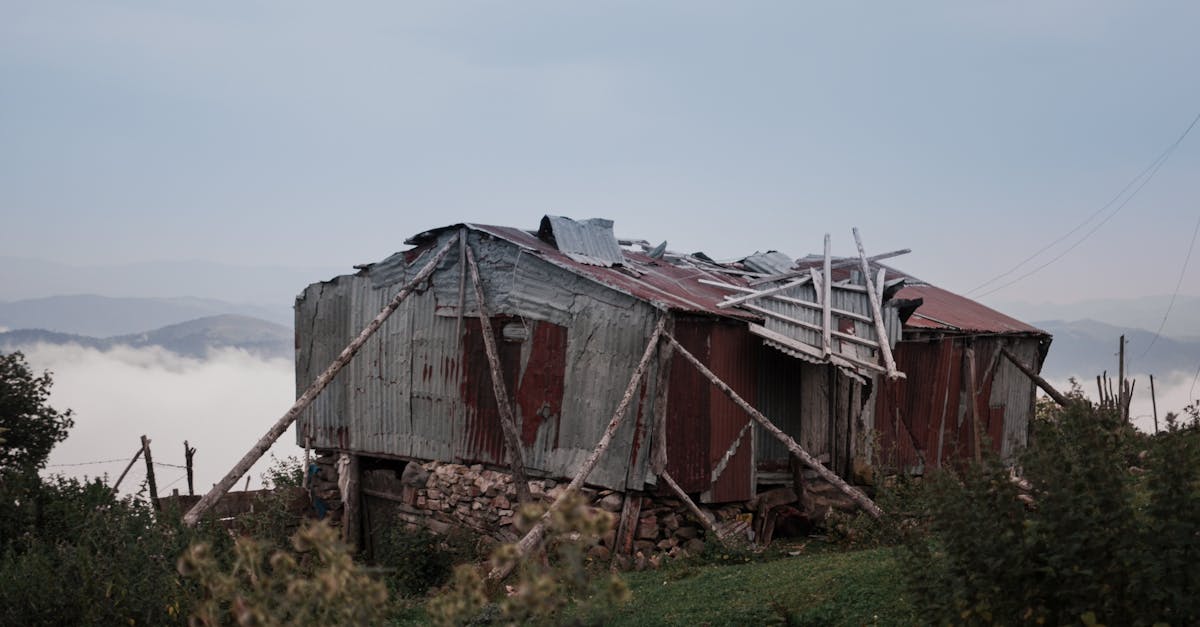
What makes abandoned homes risky is how many costs stay invisible until after closing. A house that looks cosmetically rough may actually need a new roof, sewer line replacement, electrical rewiring, mold remediation, pest treatment, and foundation stabilization. On a modest 1,500-square-foot home, those repairs can easily exceed $80,000 to $150,000 depending on labor rates and local code requirements. If the property also carries unpaid taxes, utility liens, or municipal fines, your all-in cost can rise fast.
The smartest buyers start by treating abandoned homes as distressed assets, not bargain homes. That mindset changes your process.
Pros:
- Lower entry price than renovated homes in the same neighborhood
- Potential for strong equity growth after repairs
- Less emotional bidding than turnkey listings
- Hidden structural and legal issues are common
- Traditional financing may be difficult or impossible
- Holding costs add up while permits and repairs drag on
Tip 1 and 2: Verify ownership, title, liens, and the property’s true legal status
Before you think about paint colors or renovation budgets, confirm that the seller has the legal right to sell. Many abandoned homes are tied up in probate, tax delinquency, foreclosure, divorce, estate disputes, or heirship confusion. A house can look empty for years yet still have multiple parties with a claim. That is why your first call should often be to a title company or real estate attorney, not a contractor.
Start with county property records. Check the current deed, tax status, and whether there are recorded mortgages, judgments, code enforcement actions, or utility liens. In some counties, unpaid property taxes can trigger tax sales or redemption periods that complicate transfer. If a home has a $40,000 price tag but $18,000 in taxes, $9,000 in demolition fines, and an unresolved estate issue, your bargain may vanish.
Then verify whether the home is legally habitable or flagged by the city. Some municipalities classify long-vacant properties as nuisance properties. Others require special inspections or vacant-property registration before utilities can be restored. If the house has been condemned, you may need significant work just to obtain occupancy approval.
Use this basic legal checklist before making an offer:
- Order a preliminary title search
- Confirm unpaid taxes and municipal assessments
- Check open permits and code violations
- Ask whether probate or foreclosure is involved
- Verify access easements, boundary disputes, and legal lot status
Tip 3 and 4: Inspect for structural damage and build a repair budget with a large margin
Abandoned homes deteriorate differently from occupied homes. When nobody is around to notice a roof leak, a burst pipe, or termites, small defects spread quietly for months or years. Water intrusion is the most expensive repeat offender because it can damage framing, insulation, drywall, flooring, and electrical systems at the same time. A property that needs “a little cleanup” in listing photos may need full gut renovation once walls are opened.
Hire specialists, not just a general home inspector, when the condition is questionable. At minimum, consider a structural engineer, roofer, electrician, plumber, pest inspector, and sewer scope professional. A sewer scope alone can save thousands. Replacing a collapsed main line can run from $4,000 to $15,000, and much more if excavation is complex. Foundation repair can range from $5,000 for minor stabilization to $30,000 or more for major settlement.
Budgeting rule: if contractor estimates total $90,000, do not assume the final number is $90,000. Add a contingency of at least 15 percent to 25 percent. On neglected homes, many experienced investors use 25 percent because code upgrades and hidden decay are so common.
Watch for these high-cost warning signs:
- Uneven floors or long wall cracks
- Staining on ceilings and around windows
- Missing copper plumbing or cut electrical wiring
- Soft subfloors, musty odors, or visible mold
- Overgrown lots that may hide drainage issues or pests
Tip 5: Understand financing, insurance, and carrying costs before you make an offer
One of the biggest surprises for first-time buyers is that an abandoned home may not qualify for standard financing. Many conventional and government-backed loans require the property to meet minimum safety and habitability standards. If the roof leaks, utilities are off, or there is exposed wiring, a lender may decline the loan entirely. That pushes buyers toward cash, hard money, private lending, or renovation-specific products such as FHA 203(k) or Fannie Mae HomeStyle loans, each with its own rules and delays.
Insurance can be just as tricky. Vacant homes are considered higher risk because they are more vulnerable to vandalism, theft, fire, and unnoticed damage. Some insurers will not write a policy until certain repairs are completed. Others offer vacant-home coverage, but at materially higher premiums. If you overlook this, you could close on a property and struggle to insure it adequately.
Do not forget carrying costs while the home sits unlivable. These expenses quietly eat profit every month:
- Loan interest or private lender points
- Property taxes and insurance premiums
- Utility reconnection fees and minimum service charges
- Lawn care, boarding, snow removal, and security
- Permit fees and inspection reinspection costs
Tip 6 and 7: Study the neighborhood, exit strategy, and your realistic upside
A neglected house in a strong neighborhood can be a great project. A neglected house in a declining area with weak resale demand can become a long, expensive lesson. That is why experienced buyers analyze the block as carefully as the structure. Look at sold comps from the last six to twelve months, but also drive the area at different times of day. Count boarded homes, active rehabs, retail activity, school proximity, and signs of owner occupancy versus chronic vacancy.
Neighborhood trajectory matters more than isolated bargain pricing. If renovated homes nearby consistently sell within 30 days and values have risen 5 percent to 8 percent over the past year, there may be room for profit. If listings sit for 90 days, rents are soft, and nearby lots are full of blight, your resale assumptions should be conservative.
Think through your exit before buying:
- Flip: fastest payoff, but highly sensitive to renovation delays and buyer demand
- Rent: steadier long-term income, but requires enough margin after taxes, insurance, and maintenance
- Live in it: can work well if you can tolerate phased repairs and disruption
Key Takeaways: a practical checklist before you buy an abandoned home
If you are serious about buying an abandoned home, your edge comes from process. The goal is not to find the cheapest property. The goal is to find a property where risk is measurable, repair costs are supportable, and the neighborhood gives you a clear path to value. Buyers who slow down for due diligence often move faster later because fewer surprises derail them.
Use this checklist before writing an offer:
- Confirm legal ownership and obtain a title review
- Check taxes, liens, code violations, and permit history
- Walk the property with qualified specialists, not just one inspector
- Build a repair budget and add at least 15 percent to 25 percent contingency
- Price financing, insurance, and six to twelve months of carrying costs
- Study comparable sales, rent levels, and neighborhood momentum
- Decide your exit strategy before closing, not after
Conclusion: buy the deal, not the dream
Abandoned homes can create real upside, but only when you evaluate them like a problem to solve, not a fantasy to rescue. The smartest buyers verify ownership, uncover liens, inspect aggressively, budget for overruns, secure the right financing and insurance, and study neighborhood demand before they commit. In other words, they remove as much uncertainty as possible before the property becomes their responsibility.
If you are considering one, start with a shortlist of candidates and run each through the same due diligence checklist. Walk away from any deal with cloudy title, weak resale support, or repair math that depends on perfect execution. The right abandoned home is not just cheap. It is legally clear, financially viable, and aligned with a realistic exit plan. That is where opportunity lives.
Published on .
Share now!
MR
Mason Rivers
Author
The information on this site is of a general nature only and is not intended to address the specific circumstances of any particular individual or entity. It is not intended or implied to be a substitute for professional advice.