Published on:
5 min read
By Noah Parker · Routines & Habits Writer
Comparing Night Owl vs. Early Bird Productivity Routines
I experimented with both night owl and early bird routines to see which one boosted my productivity. What I found surprised me and could help you decide too.

Balancing the Scales: My Quest for the Ideal Routine
I've always been curious about whether I naturally thrive as a night owl or an early bird. To find out, I decided to immerse myself fully into each routine for a full week. The goal was simple: measure my productivity, energy levels, and overall satisfaction with each schedule. As someone who writes for a living, staying on top of deadlines and maintaining creativity is vital. Over the course of two weeks, I dove into the world of pre-dawn alarms and late-night brainstorming sessions to discover where I truly excel.
In preparing for this experiment, I set clear parameters: for the night owl week, I would set my primary work hours from 9 PM to 2 AM. Conversely, the early bird week would begin at 5:30 AM with work starting by 6 AM. I kept a journal to track my daily experiences, noting not just productivity, but also how I felt physically and mentally. I aimed to discover not only when I worked best but also when I felt happiest and most balanced.
The Night Owl Experiment: Unleashing Creativity After Dark
The first week was dedicated to embracing my night owl tendencies. I set my main work hours from 9 PM to 2 AM. My daytime was reserved for lighter tasks and personal errands. I found that my creativity was at its peak between 11 PM and 1 AM. During this time, I completed two articles, brainstormed three new ideas, and even found time to reorganize my desk. However, the downside was waking up groggy and sluggish around 10 AM, which pushed my entire day forward and left me with less daylight for personal activities.
Yet, the quiet of the night provided an undisturbed environment that was perfect for deep work. I noticed that distractions were at a minimum; no incoming emails or phone calls disrupted my flow. I could lose myself in writing without the usual interruptions. But, I also faced challenges in aligning with others' schedules. Coordinating with daytime colleagues and friends became tricky, and I often felt out of sync with the world.
By the end of the week, I noticed a slight dip in my physical energy levels. Staying up late and making up for lost sleep in the morning had disrupted my natural sleep cycle, leaving me feeling slightly off-balance. It was a trade-off between enjoying uninterrupted creative flow and maintaining a consistent daily rhythm.
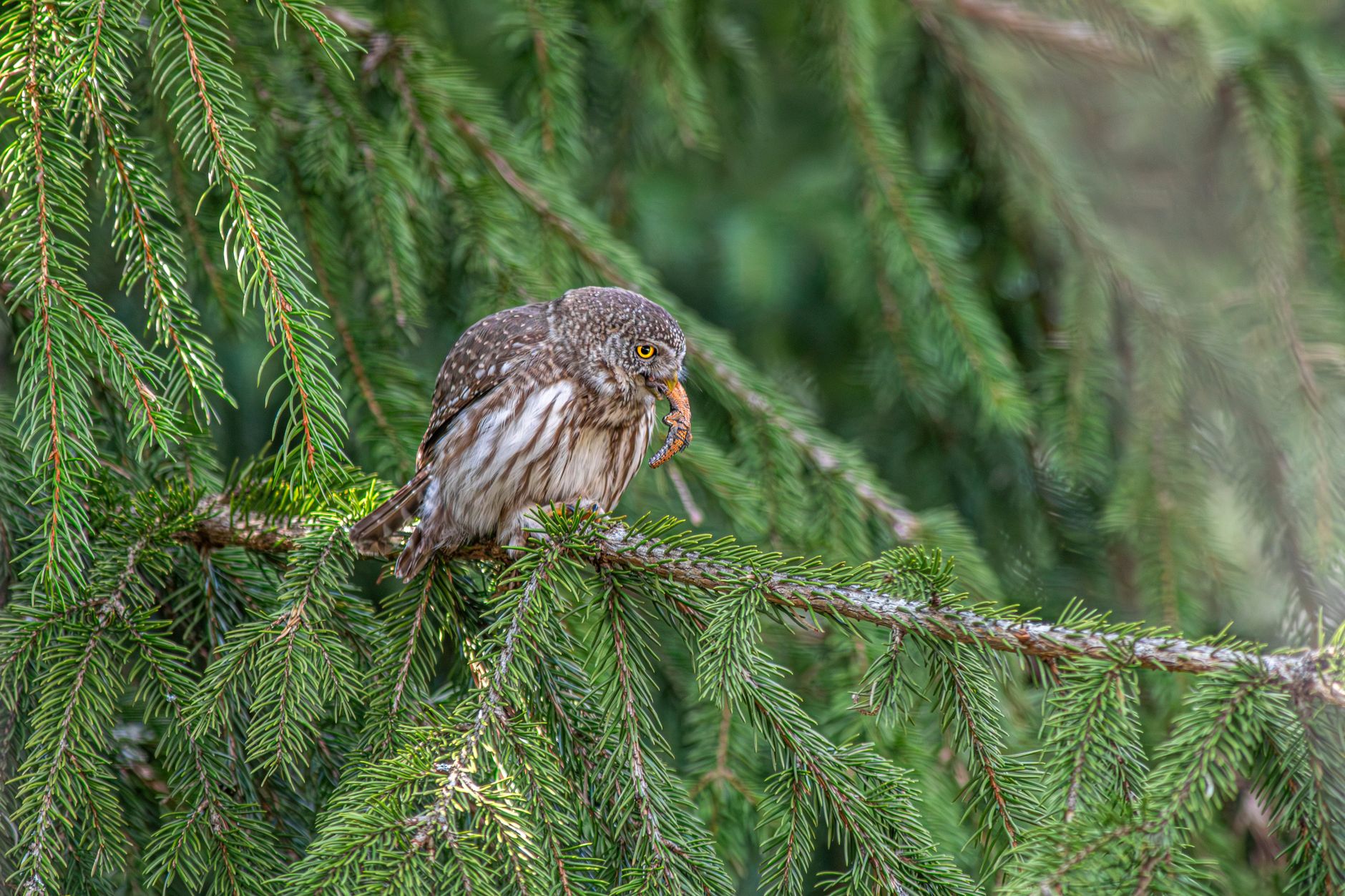
Becoming an Early Bird: Chasing Productivity with the Sunrise
Switching gears, the second week was all about early mornings. I set my alarm for 5:30 AM, and by 6 AM, I was ready with a cup of coffee, starting my workday. The first two hours were incredibly productive; I completed a full editorial piece by 8 AM. Interestingly, I noticed my energy levels were higher throughout the day, thanks to the natural light streaming in. I took a midday walk at 1 PM to recharge, and by 9 PM, I felt ready to wind down.
Adapting to an early routine was not without its hurdles. Initially, I struggled with the early bedtime needed to feel rested. It was challenging to shift my entire evening routine forward, which affected my social life. However, the benefits became apparent quickly. I had more time during the day to engage in personal pursuits, like gardening or reading, which were often overshadowed by work previously.
Moreover, I felt more in tune with the world's rhythm, from morning commutes to evening downtime. The natural light exposure in the mornings significantly boosted my mood, making me more eager to tackle tasks. I was surprised to find how much more energy I had for evening activities, including cooking and spending time with friends, without feeling exhausted.
Comparing Productivity: Night Owl vs Early Bird
Here's a structured comparison of my experiences as a night owl and an early bird. I tracked three key metrics: number of tasks completed, peak energy levels, and overall satisfaction with the day. Each routine had distinct advantages and drawbacks, which became evident through consistent journaling and reflection.
| Aspect | Night Owl Routine | Early Bird Routine |
|---|---|---|
| Tasks Completed | 5 major tasks | 7 major tasks |
| Peak Energy Levels | 11 PM - 1 AM | 6 AM - 8 AM |
| Overall Satisfaction | Moderate | High |
Tips for Tailoring Your Routine
From my experience, here are some practical tips to help you find your best routine:
- Identify your natural energy peaks by noting when you feel most alert during the day. This can guide you in choosing your ideal work hours.
- For night owls, create a cozy night workspace with soft lighting and limit distractions with noise-canceling headphones. Consider using apps that block blue light on screens to reduce eye strain.
- If you're testing early mornings, start with a gradual wake-up time adjustment, moving the alarm back by 15 minutes every few days. Allow your body time to adjust to the new schedule.
- Use apps or alarms to remind you to take breaks, regardless of your routine. Breaks can enhance focus and prevent burnout.
- Track your mood and productivity in a journal to identify patterns and make necessary adjustments. This self-awareness is key to optimizing your routine.
Your Questions Answered
Q: Can I switch between being an early bird and a night owl?
Switching is possible, but it requires a period of adjustment, typically one to two weeks. Consistency is key, so give yourself time to settle into a new routine before making judgments.
Q: How do I know if I'm naturally a night owl or an early bird?
Pay attention to when you feel most energetic and productive without external obligations, like weekends or holidays. Your natural inclination will often shine through during these times.
Q: What if I don't fit neatly into either category?
That's completely normal. Some people thrive on a hybrid schedule, combining early starts with late nights on different days. Flexibility can be your ally in finding a balanced routine.
EditorialOur Take
Ultimately, my experiment taught me that both routines have their merits. The early bird schedule offered more productivity during daylight hours and left me feeling satisfied with my day. However, the night owl routine allowed for uninterrupted creative sessions. This isn't a one-size-fits-all, and I recommend trying both to see which aligns with your lifestyle and personal goals. While I gravitate towards early mornings for their structure, I occasionally indulge in night owl tendencies when a creative project demands it. This dual approach might be ideal for those who cherish flexibility and depth in their work. For those who struggle with motivation or energy, honing in on your natural peak times can make all the difference in achieving a more rewarding and efficient day.
Published on .
Share now!

Noah Parker
Routines & Habits Writer
Noah Parker writes about daily routines and the small habits that keep a home running. He is naturally messy and has built his routines specifically for people who don't enjoy chores. Noah shares what keeps things calm on ordinary weekdays. Noah uses AI tools to research, draft, and help keep these articles accurate.
More from Noah →The information on this site is of a general nature only and is not intended to address the specific circumstances of any particular individual or entity. It is not intended or implied to be a substitute for professional advice.
Get our best tips in your inbox
A short, practical email now and then. No spam, and you can unsubscribe anytime.