Published on:
4 min read
By Lily Morgan · Home Decor Contributor
Comparing Open vs. Closed Kitchen Shelving for Organization
In my quest for an organized kitchen, I tried both open and closed shelving. Each had its perks and pitfalls, but here's what truly stood out for me.
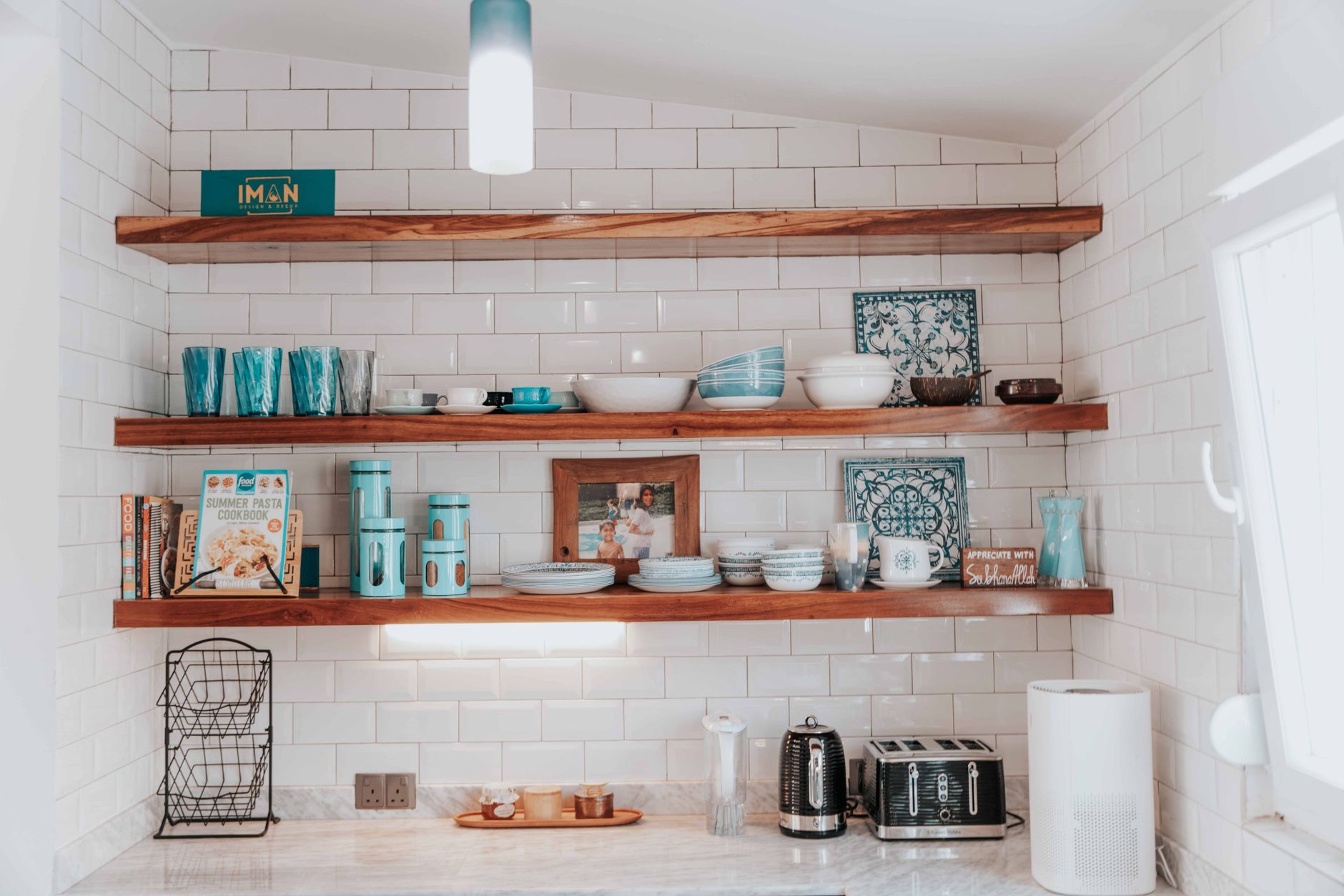
The Great Shelving Debate: My Kitchen Chronicles
When we moved into our current house, the kitchen was both a blank slate and a puzzle to solve. With a penchant for minimalist design and a need for practicality, I found myself at a crossroads: should I go for open shelving, closed cabinets, or a mix of both? The decision wasn't just about aesthetics; it was about functionality and daily ease. After much deliberation and a few heated debates over coffee, I decided to try both styles to see which truly suited our lifestyle. This article isn't about pushing one type over the other but rather sharing what I learned from living with both styles.
Living with Open Shelving: A Reality Check
I started with a wall of open shelving, inspired by photos of airy kitchens with artfully arranged dishes and pantry items. I invested around $200 in sturdy brackets and wooden boards, spending a weekend with my partner installing them. We made sure the shelves could hold up to 50 pounds each, just to be safe. Initially, I loved the accessibility and the way my favorite dishes were always at hand. But as the weeks rolled by, I noticed a downside: dust and grease settled quickly, especially on items I didn't use daily.
Cleaning became a weekly chore I hadn't accounted for. I found myself wiping down shelves every Sunday morning, a routine that ate into my weekend relaxation time. Plus, while some items looked beautiful on display, others didn't carry the same charm, forcing me to be selective about what went on the shelves. I had to blend practicality with aesthetics, which wasn't always easy. For example, my everyday white plates looked great, but the mismatched mugs and cereal boxes didn't. This required a secondary storage solution for those less-than-perfect pieces.
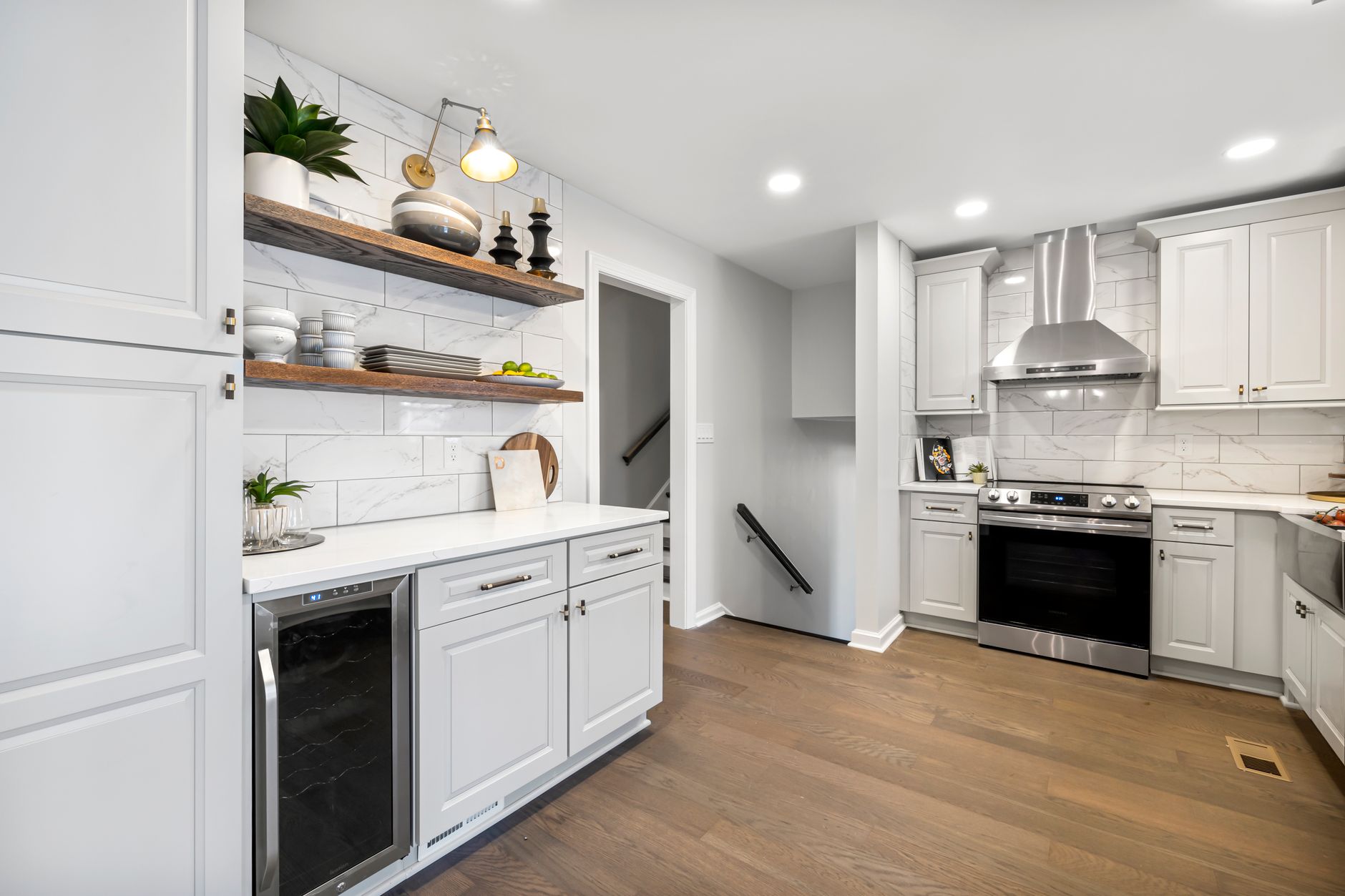
Closed Cabinets: A Return to Order
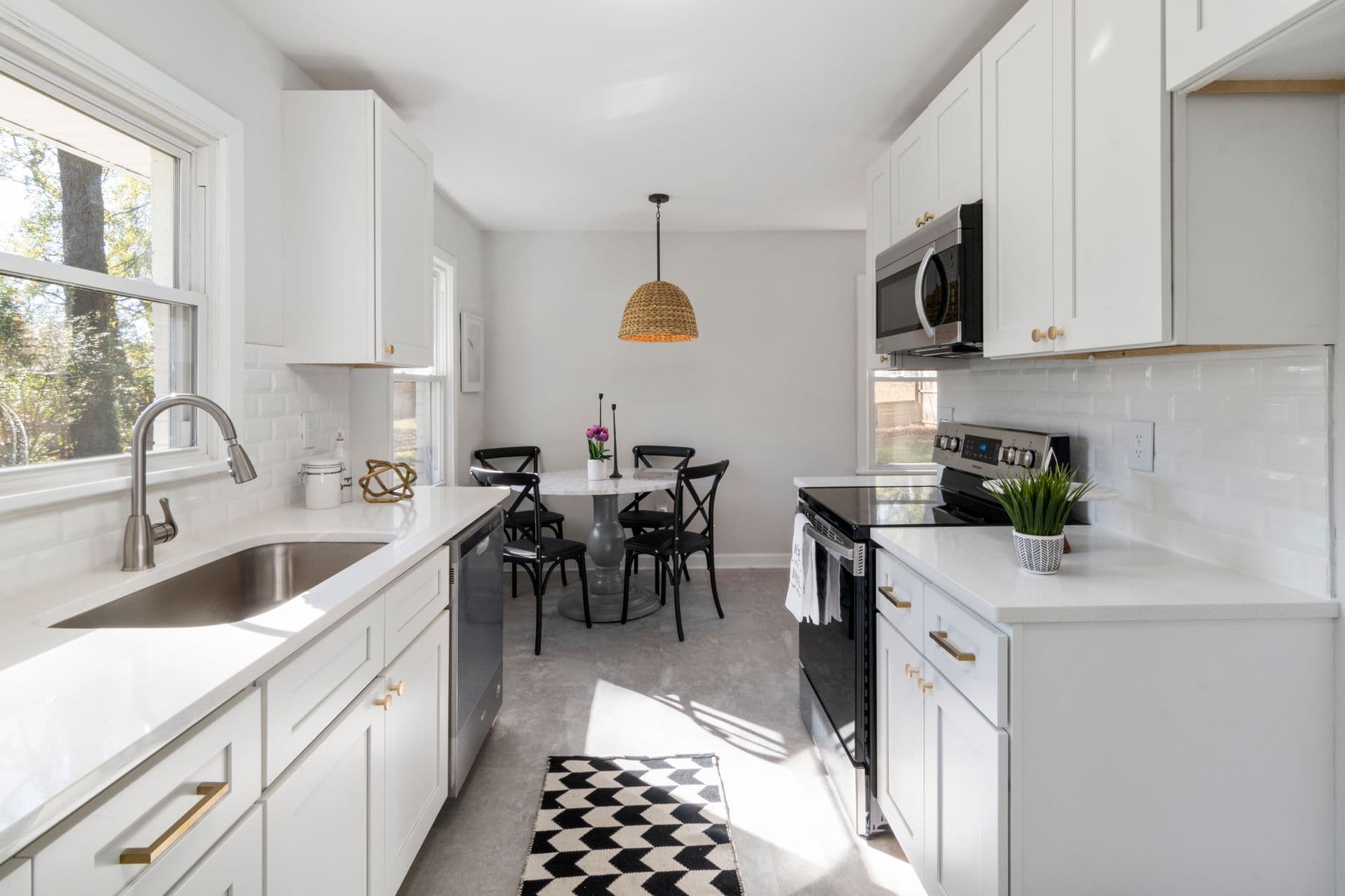
After a few months, I decided to install a couple of closed cabinets, totaling about $600, which included hardware and professional installation. This shift provided an appealing contrast to the open shelves and offered something I desperately needed: concealed storage for less glamorous kitchenware. My mismatched mugs and oddly shaped appliances found a new home, finally out of sight.
The cabinet interiors became my organizational playground, with stackable bins and labeled containers bringing order to what was once chaos. I spent a weekend sorting and categorizing items by frequency of use, which made meal prep much more efficient. The closed doors kept everything neat and out of sight, reducing visual clutter instantly. The downside? I missed the easy access; opening and closing doors felt cumbersome compared to the grab-and-go style of open shelves. I often found myself keeping the doors slightly ajar for quick access during busy cooking sessions, which somewhat defeated the purpose of having closed cabinets.
Comparing Open vs Closed: A Practical Perspective
To help me (and hopefully you) make sense of the open vs. closed shelving debate, here's a practical comparison based on what I found most important: cleaning, accessibility, and aesthetics. This table summarizes my experience after several months of living with both systems.
| Feature | Open Shelving | Closed Cabinets |
|---|---|---|
| Cleaning Frequency | Weekly (due to dust) | Monthly |
| Accessibility | High | Moderate |
| Visual Appeal | Display potential | Streamlined look |
Tips for Mixing Open and Closed Shelving
Creating a cohesive kitchen with both open and closed shelving is possible with a few strategic moves:
- Choose a consistent color palette for dishware on open shelves to maintain a clean look.
- Use decorative storage boxes or baskets on open shelves to hide less attractive items.
- Reserve open shelves for frequently used items to minimize dust accumulation.
- Install lighting under open shelves to highlight decorative pieces and enhance the ambiance.
- Keep closed cabinets for bulkier items and appliances that don't fit the aesthetic you're aiming for.
- Regularly reassess which items are on display and which are hidden, rotating them with the seasons or as your mood changes.
FAQ: Open vs. Closed Shelving
Q: Is open shelving more affordable than closed cabinets?
Open shelving can be cheaper if you're using basic materials, but costs can add up with premium wood or custom designs.
Q: How do I keep open shelves clean?
Regularly dust and wipe down shelves. Using a microfiber cloth with a gentle cleaner can help manage grease and dust.
Q: Can I install open shelves on my own?
Yes, with the right tools and some DIY knowledge. Ensure shelves are securely attached to wall studs for safety.
Q: What are the best items to display on open shelves?
Display items that are used often or have aesthetic appeal like plates, mugs, and small plants.
EditorialOur Take
In my experience, both open and closed shelving have their place in a functional kitchen. Open shelving is perfect for those who love to display their favorite items and don't mind the upkeep, while closed cabinets offer a decluttered look for storing less visually appealing objects. For anyone like me, who values both form and function, a combination of the two provides the best of both worlds. If you enjoy changing decor or get frustrated by frequent cleaning, you might lean more towards closed cabinets. On the other hand, if accessibility and showcasing your collections are priorities, open shelving could be your ideal choice. Ultimately, the best approach might be to blend the two, creating a kitchen that's both practical and pleasing to the eye.
Published on .
Share now!

Lily Morgan
Home Decor Contributor
Lily Morgan covers home decor for Annyblog with a budget-friendly, renter-aware eye. She loves small changes that make a space feel intentional without a renovation. Lily writes about decorating you can actually undo when the lease ends. Lily uses AI tools to research, draft, and help keep these articles accurate.
More from Lily →The information on this site is of a general nature only and is not intended to address the specific circumstances of any particular individual or entity. It is not intended or implied to be a substitute for professional advice.
Get our best tips in your inbox
A short, practical email now and then. No spam, and you can unsubscribe anytime.