Published on:
5 min read
By Lily Morgan · Home Decor Contributor
Explaining How Color Psychology Enhances Home Atmosphere
I never realized how much of an impact color could have on the mood of a room until I started experimenting with color psychology in my home decor.
Discovering the Power of Color in Home Decor
A few years ago, I found myself staring at the beige walls of my living room, feeling uninspired and a bit dreary. I had heard about the concept of color psychology and how colors could influence mood, but I was skeptical about its real impact. Motivated by a desire for change, I decided to dig into this theory and see if it could truly transform the atmosphere of my home.
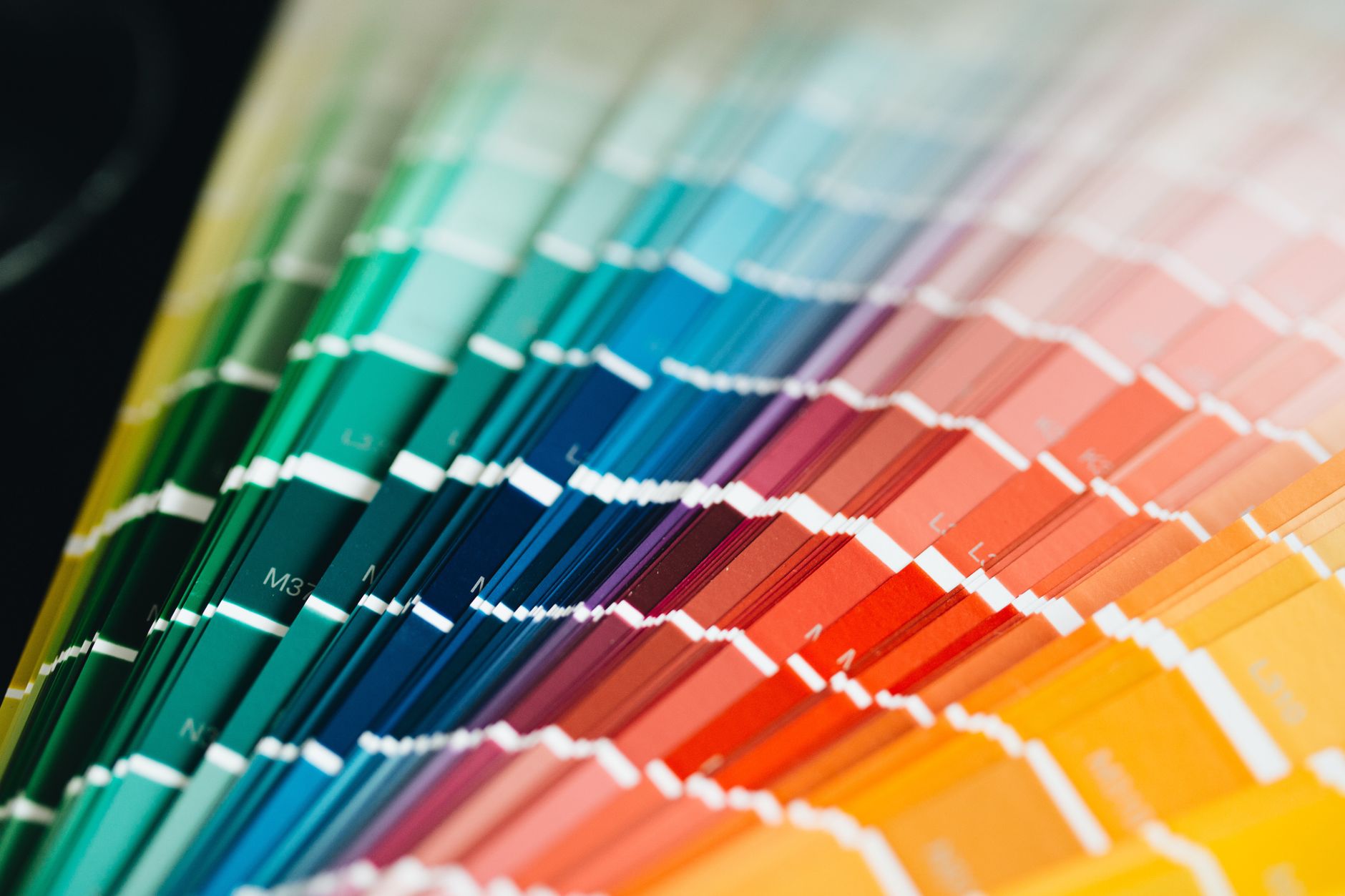
To start, I educated myself on the basics of color psychology, learning how colors can evoke specific emotions and moods. I discovered that blues and greens are often associated with calm and relaxation, while reds and yellows can energize and stimulate. Armed with this knowledge, I set out to apply these principles to my living space.
In this article, I'll share my journey into incorporating color psychology into my home decor, including the specific colors I chose for different rooms, the surprising effects they had, and how I would approach the process differently if I were to start over.
Blue Walls for Calmness in the Living Room
The living room was my first experiment. I needed a space that was inviting and calming, as it’s the area where my family gathers most often. After some research, I opted for a soft blue paint called 'Serene Sky' from the local hardware store. It cost me around $45 for a gallon, which was enough to cover my 250 square foot space.
The transformation was immediate. The room felt cooler and more spacious, and there was a noticeable decrease in stress levels when spending time there. I also added navy throw pillows and a light gray rug to complement the walls, spending an additional $100 on these accessories. The overall effect was a room that felt like a peaceful sanctuary, perfect for unwinding after a long day.
One challenge I faced was ensuring the blue didn't make the room feel cold. I balanced it by incorporating warmer elements, like a wooden coffee table and soft lighting, which added warmth without compromising the calming effect.
Revitalizing the Kitchen with Energizing Yellow
Next, I turned my attention to the kitchen. I wanted it to be a lively and energizing space that would encourage productivity and creativity. Inspired by color psychology, I chose a vibrant yellow accent wall, using about a quart of paint, which cost roughly $20. The rest of the walls were kept a crisp white to balance the brightness.
In addition to the paint, I incorporated yellow towels, a sunflower-themed art piece, and lemon-scented candles, adding around $70 to the cost. The result? Mornings felt brighter, and even cooking became more enjoyable. However, I learned that too much yellow can be overwhelming, so I kept it to one wall and small accents.
I also experimented with lighting in the kitchen. By using daylight LED bulbs, I enhanced the vibrancy of the yellow, making the space feel even more energetic during the day. At night, dimmer lights helped transition the area into a cozy dinner setting.
Comparing Rooms: The Psychological Impact of Color Choices
To understand the varying impacts, I created a simple comparison of how different colors influenced the mood in each room. This helped me see which choices were successful and where I might need adjustments.
| Room | Color Used | Mood Effect |
|---|---|---|
| Living Room | Soft Blue | Calm, Relaxed |
| Kitchen | Vibrant Yellow | Energizing, Cheerful |
| Bedroom | Soft Green | Restful, Balanced |
| Home Office | Light Gray | Focused, Neutral |
Steps to Incorporate Color Psychology at Home
If you're considering using color psychology in your home decor, here's a step-by-step guide based on my experience:
- Identify the mood you want for each room. Consider how you typically use the space and how you want to feel there.
- Research color psychology to find hues that match your desired moods. Books and online resources can provide insight.
- Start with small changes, like accents or a single wall, to test the impact before committing to a full room makeover.
- Balance bold colors with neutrals to prevent overwhelming the space. This can be achieved with furniture or accessories.
- Use complementary decor items to enhance the chosen color’s effect, such as throw pillows, curtains, or art pieces.
- Experiment with different lighting options to see how they affect the color and mood of the room at various times of day.
FAQs on Using Color Psychology in Home Decor
Q: Can colors really change how a room feels?
Yes, colors can significantly influence mood and perception. For example, blues can promote tranquility, while reds can increase excitement and energy.
Q: How do I choose the right color for a room?
Consider the function of the room and how you want to feel in it. Research color psychology to find colors that align with these feelings.
Q: Is it expensive to change a room’s color scheme?
Not necessarily. You can start with small changes like throw pillows or a single feature wall, which can be relatively affordable.
Q: What if I choose a color and it doesn’t work out?
Experiment with small areas first, and remember that paint is one of the easiest things to change if you’re not satisfied.
EditorialOur Take
Integrating color psychology into my home decor was not only an enlightening experience but also a practical way to enhance my living space's mood. For those who, like me, seek to create a specific ambiance or simply refresh their home environment, understanding the psychology of colors can be a game-changer. However, it's crucial to start small and balance vibrant hues with neutrals to maintain harmony. This approach may not be for everyone, especially if you prefer a more monochromatic palette, but for those willing to experiment, the rewards are well worth it. It's a personalized journey that can lead to a home that truly reflects and supports your desired lifestyle.
Published on .
Share now!

Lily Morgan
Home Decor Contributor
Lily Morgan covers home decor for Annyblog with a budget-friendly, renter-aware eye. She loves small changes that make a space feel intentional without a renovation. Lily writes about decorating you can actually undo when the lease ends. Lily uses AI tools to research, draft, and help keep these articles accurate.
More from Lily →The information on this site is of a general nature only and is not intended to address the specific circumstances of any particular individual or entity. It is not intended or implied to be a substitute for professional advice.
Get our best tips in your inbox
A short, practical email now and then. No spam, and you can unsubscribe anytime.