Published on:
5 min read
By Lily Morgan · Home Decor Contributor
How to Style a Cozy Reading Nook in Any Room
I transformed a corner of our living room into a cozy reading nook that quickly became my favorite escape. Here's how I did it, with details on costs, challenges, and essential tips.
A Corner Transformed: Creating My Own Reading Sanctuary
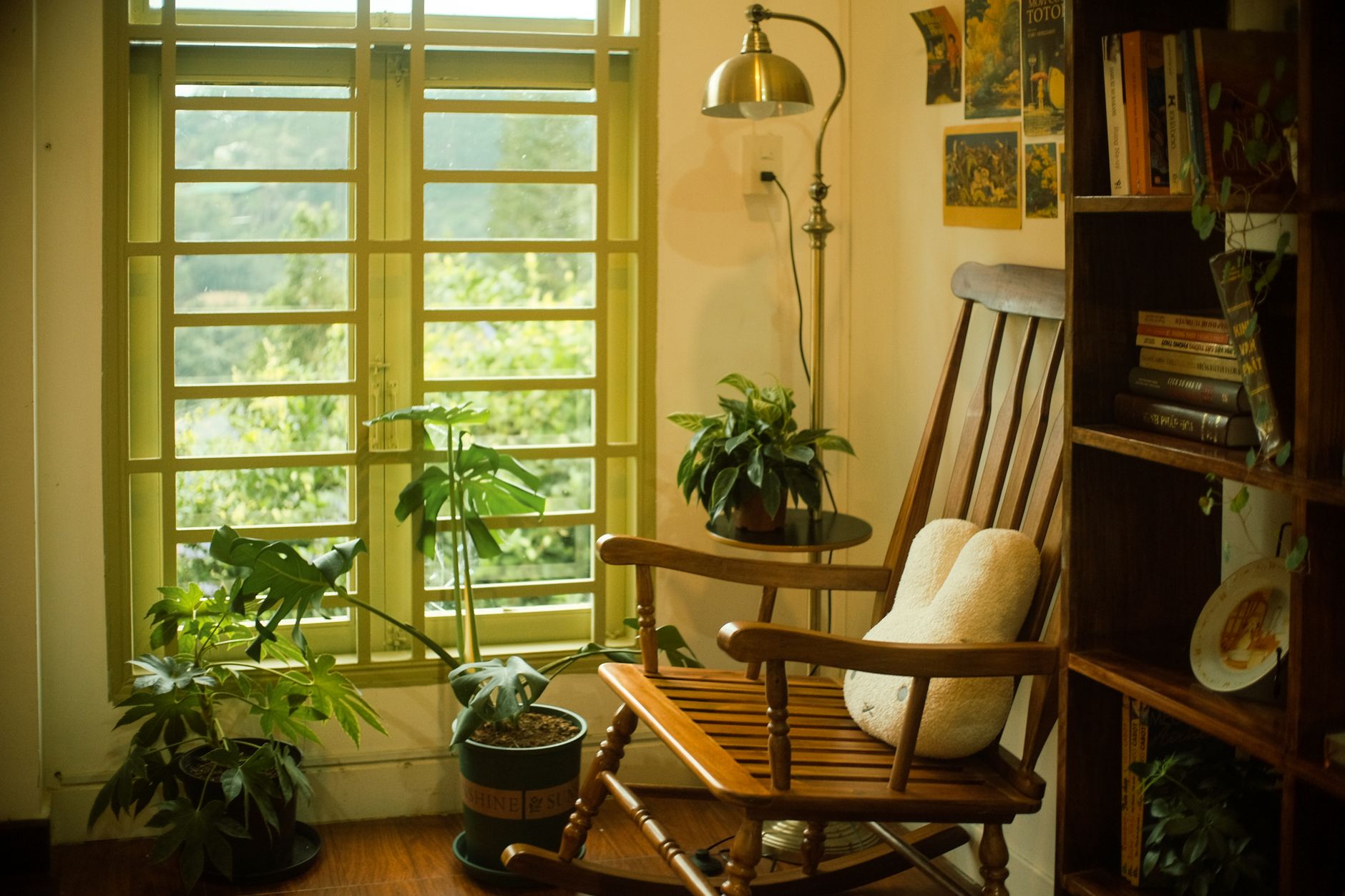
It all began with a single, empty corner of our living room that seemed to be asking for purpose. I imagined it as a cozy reading nook, an escape from the daily hustle where I could lose myself in the pages of a good book. I envisioned soft lighting, a plush chair, and a few carefully chosen accessories. I wanted it to be inviting, but I had to do this on a budget and within a small space. In this guide, I will share the practical steps I took, the mistakes I made, and how I eventually turned that bare corner into a warm, book-lovers' haven.
Choosing the Right Spot: A Concrete Example
The corner I chose was slightly awkward, measuring just about 4 feet by 4 feet, right next to a large window that let in ample natural light during the day. My first task was to find a chair that fit comfortably without overwhelming the space. After a few trials, I settled on a compact armchair from a local thrift shop for just $75. It was perfect, both for its size and its potential. I added a soft throw blanket I already owned to enhance the coziness.
Lighting was crucial for evening reading sessions, so I picked up a floor lamp with adjustable brightness for $50. Placement was key; I positioned it so the light would cast a warm glow over my shoulder. The lamp could have been a little taller, but the adjustable function made up for this minor shortcoming. I later realized the value of buying a small side table, which I got for $30, to hold my coffee and a stack of books.
Initially, I thought about adding a more expensive, high-end armchair, but the thrifted one won me over with its character and comfort. It was a lesson in seeing potential where others might not.

Accessories and Personal Touches
For storage, I turned to a small, vertical bookshelf I already had. It held about 40 books and fit snugly against the wall, adding both function and style. To keep things organized, I used small fabric bins from a dollar store to hold miscellaneous items like bookmarks and reading glasses.
Decorating the space was perhaps the most enjoyable part. I hung a simple floating shelf above the chair where I placed a plant and a few cherished mementos. The total cost for these accessories was under $20. I learned quickly that less is often more; my first attempt included too many items, which made the space feel cluttered rather than cozy. Keeping the palette neutral with pops of greens from the plants created a serene environment.
To give a glimpse of how the costs broke down, here's a small bar chart that reflects the expenses:
chart: {
"kind": "bar",
"unit": "USD",
"data": [
{ "label": "Chair", "value": 75 },
{ "label": "Lamp", "value": 50 },
{ "label": "Table", "value": 30 },
{ "label": "Decor", "value": 20 }
]
}
In hindsight, I might have staggered the heights of the decor items a bit more for visual interest, but overall, the subtle additions contributed greatly to the mood I was after.
Comparing Options: Furniture and Decor
Ultimately, I found that sticking to a budget didn't mean sacrificing style. By choosing the thrift store chair and the affordable lamp, I saved money that I could use for other areas, like buying more books or adding a quality throw blanket. The choices I made reflect a balance between cost and comfort, ensuring that the space remained cozy without feeling cheap. This comparison helped me prioritize what was truly important for my reading nook.
| Item | Option 1 | Option 2 |
|---|---|---|
| Chair | Thrift store find - $75 | New armchair - $200 |
| Lighting | Adjustable floor lamp - $50 | Designer lamp - $150 |
| Table | Simple side table - $30 | Custom-made table - $120 |
Step-by-Step Guide to Crafting Your Nook
Creating your own reading nook can be a straightforward and rewarding project. Here are the steps I followed:
- Identify a corner or area that receives good natural light. Natural light is a mood enhancer and perfect for daytime reading.
- Choose a comfortable chair that fits the dimensions of the space. Comfort is king when you plan to spend hours in the chair.
- Add a small table for drinks and books. Ensure it's at a reachable height from your chair.
- Incorporate a good lighting source, such as a floor or table lamp. Consider the adjustability of the lamp for different times of the day.
- Use vertical space with shelves for storage or decoration. This keeps the floor area open and decluttered.
- Include personal touches like plants or mementos to make the space inviting. Personal items can add a sense of ownership and warmth.
- Edit your choices to avoid clutter, focusing on making the space feel open and welcoming. Less is more when it comes to creating a calming environment.
FAQ: Your Questions Answered
Q: Can I create a reading nook without spending much?
Absolutely. By repurposing items you already own and being selective with new purchases, you can keep costs low.
Q: How do I make the nook comfortable for extended reading?
Focus on seating comfort and lighting. A good chair and adjustable lamp are key.
Q: What if my space is very small?
Opt for multifunctional pieces, like a chair with storage or a foldable table, to maximize your space.
Q: How do I prevent my nook from feeling cluttered?
Limit decor items and choose functional pieces that complement the space, maintaining a cohesive look.
Q: What colors add to a cozy feel?
Warm tones like soft grays, creams, and taupes create a comforting atmosphere while allowing accent colors like greens to pop beautifully.
EditorialOur Take
Creating a reading nook was not only a project of love but also a practical exercise in maximizing small spaces. I found that the smallest details, like the warmth of the lamp or the softness of a throw, made the biggest difference. While this setup worked for my needs, it might not suit someone looking for a more expansive area or those with different style preferences. For anyone looking to carve out a little personal haven in their home, this approach balances cost, comfort, and style effectively. It’s perfect for anyone who finds joy in the simplicity of a reading corner.
Published on .
Share now!

Lily Morgan
Home Decor Contributor
Lily Morgan covers home decor for Annyblog with a budget-friendly, renter-aware eye. She loves small changes that make a space feel intentional without a renovation. Lily writes about decorating you can actually undo when the lease ends. Lily uses AI tools to research, draft, and help keep these articles accurate.
More from Lily →The information on this site is of a general nature only and is not intended to address the specific circumstances of any particular individual or entity. It is not intended or implied to be a substitute for professional advice.
Get our best tips in your inbox
A short, practical email now and then. No spam, and you can unsubscribe anytime.